
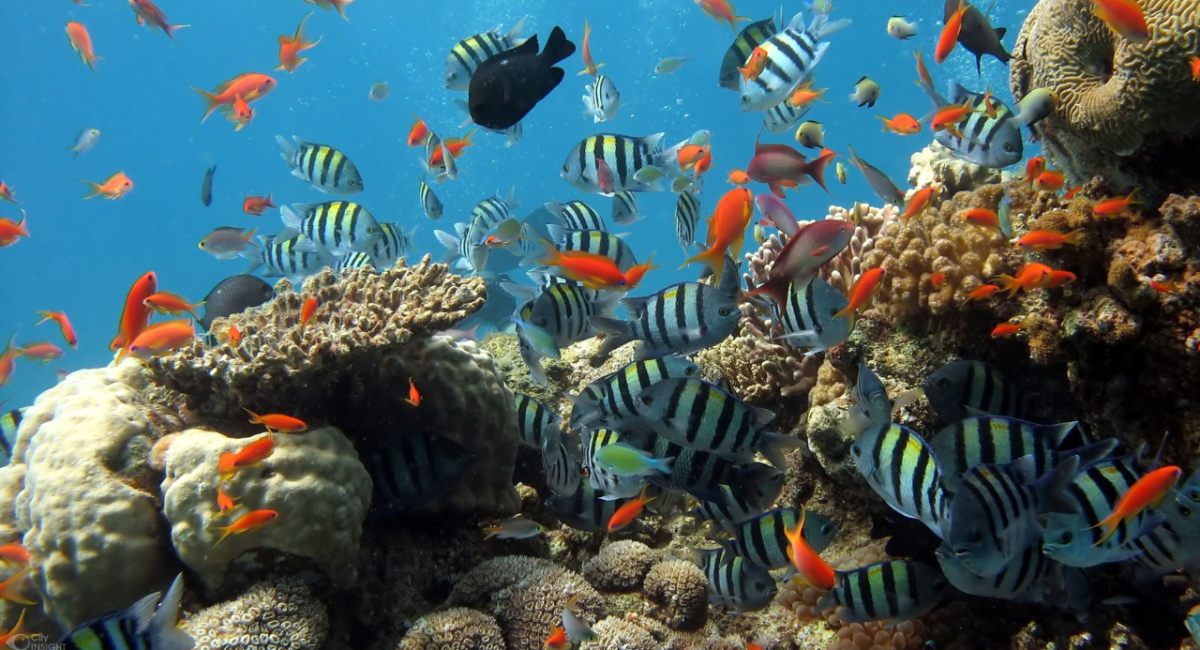
Maintaining the delicate balance of marine ecosystems is becoming more important as we continue to realize the negative impact that pollution and climate change can have on aquatic life. In this article, we will explore the relationship between water quality and fish population. We will look at how pollutants affect fish populations, the importance of water quality management, and how we can work towards achieving a healthier ecosystem.
Pollution is one of the primary reasons that fish populations can suffer. Harmful chemicals and other contaminants can reduce both the quality of water and the amount of oxygen it contains. This can lead to health problems for fish, making them more susceptible to disease and reducing their reproduction ability. For example, if a certain pollutant, such as sewage or fertilizer run-off, ends up in the water, it can encourage algae growth. These excessive algae can use up most of the oxygen in the water, depleting the resource that fish need to survive.
Water quality management is crucial to maintaining a healthy marine ecosystem. It is essential to properly dispose of waste and prevent pollutants from entering the water system through proper waste management systems. This includes proper disposal of hazardous chemicals and limiting improper run-offs through construction and agricultural practices. We need to develop a strategy that effectively encourages both government and individuals to make more serious efforts in preventing pollution.
It is not only the fish population that is affected by water quality but also the human population utilizing these water systems. The quality of the water affects the kinds of fish that thrive, ultimately affecting the supply chain of the fishing industry. This then negatively influences the food supply for communities that depend on it. To address the deteriorating effects of pollution, there needs to be increased pressure on the government to put allocate funds to more water system infrastructures and promote the use of solutions like water filtration.
With appropriate interventions, improving water quality can lead to recovery in the fish population that had previously suffered from pollution. The ultimate aim is to create an ecologically balanced environment, which entails achieving long-term sustainability. Management strategies must be put in place so that the effects are long-lasting and impactful. This includes managing waste reduction policies properly and managing those policies over time, which can reinforce proper waste management standards in the long run.
There should be more public awareness of the importance of water quality and its effects on marine ecosystems. Pollution can result in detrimental effects that impact both the fish population and humans. To ensure sustainability, it is essential to maintain a balanced marine ecosystem. The development of efficient waste management policies and proper water filtration is needed to maintain water cleanliness. Everyone must work to reduce waste pollution to promote a better environment for both fish and humans to avoid repercussions that ultimately come from our environment’s degradation.