
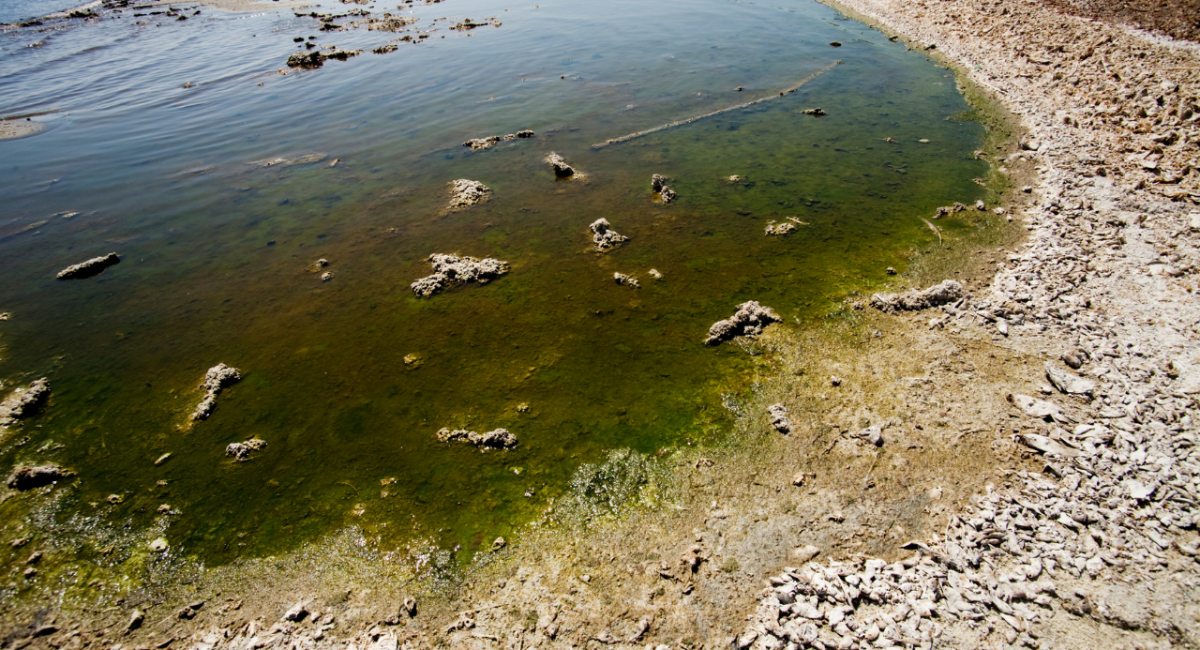
Water is one of the most important resources that we need in our daily lives. We use it to stay hydrated, cook our meals, and take our showers. We also use water to keep our surroundings clean and to irrigate our farms. However, water is not always safe for consumption as it is often contaminated with harmful microorganisms and chemicals. The consequences of drinking contaminated water can range from mild illnesses to life-threatening conditions. In this blog post, we discuss some of the steps that we can take to prevent water contamination.
Proper Disposal of Chemicals and Waste
One of the leading causes of water contamination is the improper disposal of toxic chemicals and waste products. Chemicals such as fertilizers, pesticides, and cleaning agents can seep into the ground and contaminate groundwater sources. To prevent this, we should ensure that we dispose of these chemicals properly. We should use them sparingly, dispose of them in designated areas, and avoid pouring them into sinks or toilets.
Boiling and Filtering Water
Boiling water is an effective way of killing most of the harmful microorganisms present in water. The water should be boiled for at least five minutes before use. Filtration is another method that is effective in removing contaminants from the water. It is advisable to use a filter that meets the National Sanitation Foundation (NSF) standards for water treatment.
Sewage Systems
The sewage systems are essential in ensuring that wastewater does not contaminate water sources. We should be careful not to dispose of hazardous items such as plastics, diapers, and wipes in the toilet as they risk clogging the sewage pipes and contaminating the water supply. Instead, we should dispose of them correctly by placing them in the waste bin.
Implementing Better Agricultural Practices
The agricultural sector is one of the significant contributors to water contamination. The intensive use of pesticides and fertilizers has a significant impact on the environment and human health. Farmers should adopt better agricultural practices such as crop rotation, using natural fertilizers, and avoiding excessive use of pesticides. This will reduce the amount of pollutants that end up in the water and, in turn, minimize water contamination.
Protecting Water Sources
We should also protect water sources from contamination. This can be achieved by guarding against sewage spills, ensuring proper land use practices, and preventing industrial and chemical leaks. In addition, it is essential to create and enforce regulations that control pollution and address pollutants in the water.
Water contamination is a serious issue that affects millions of people worldwide. It can cause illnesses, disabilities, and death. It is essential to take measures that prevent water contamination to ensure the availability of clean and safe water for everyone. Proper disposal of waste chemicals, boiling and filtering water, and protecting water sources are among the ways that we can prevent water contamination and keep ourselves healthy. Remember, clean water is essential for good health and well-being.