
Water is a basic human need, and we all want to be sure that the water we consume is free from impurities and safe for consumption. One popular conception is that water towers house pure water safely traveling through the community’s pipes into our homes. While this is partially correct, there is more to the story than meets the eye. In this article, we’ll explore this myth and uncover the truth about what water towers do and don’t do.
What Is a Water Tower and How Does It Work?
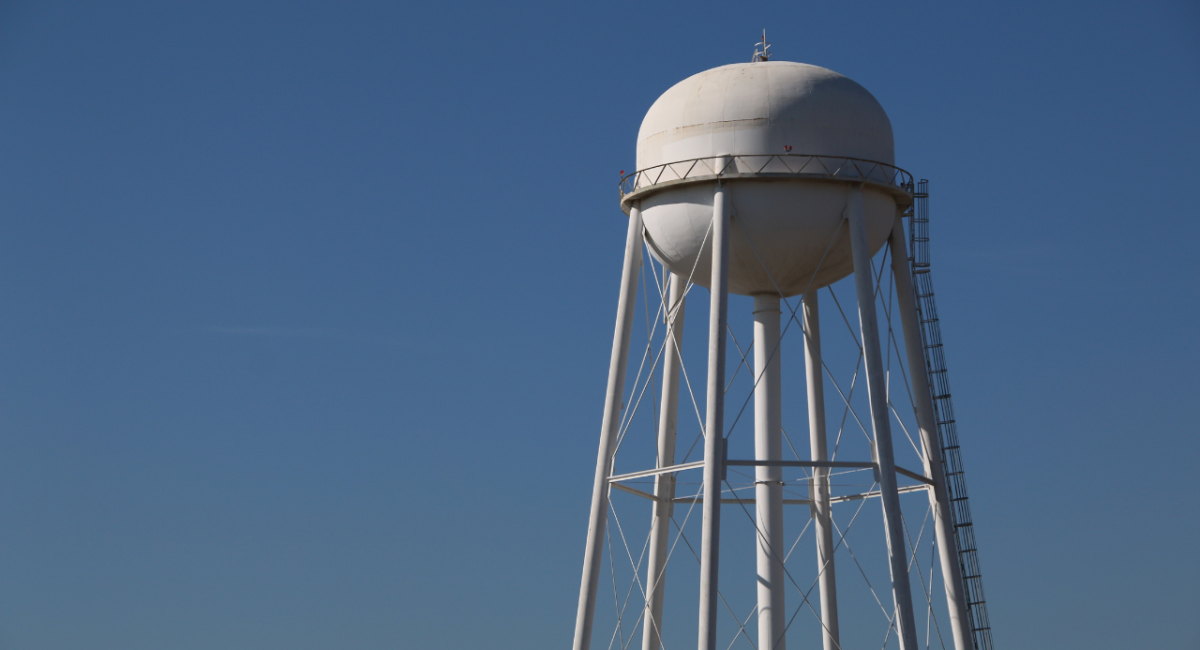
Water towers are large, cylindrical structures that hold large volumes of water. They use gravity to create and maintain water pressure, especially during periods of peak demand when the pumping system cannot meet the community’s needs. During off-peak hours, water is pumped from the main water supply to the tower and stored until needed, keeping the pressure in the pipes constant when many water users demand water simultaneously.
Is It Pure Water Inside a Water Tower?
Typically, water towers aren’t filled with pure water. Instead, they act as reservoirs that hold water that has already passed through the primary water treatment systems, including filtration, disinfection, and settling processes. Water treatment plants use chemicals to purify the water, including chlorine and fluoride, so the water travels to your home with small amounts of these substances.
However, the water inside a tower is continually circulating, which helps keep it fresh and prevents it from becoming stagnant or contaminated. Since water towers are open-air structures, many things can contaminate the water in them when exposed to environmental or physical damage. For example, birds perched on the structures can contaminate the water with waste, and weaker parts of the tower can rust, allowing dirt or bacteria to enter the water supply.
Is the Water from a Water Tower Safe to Drink?
Since the water in a water tower has already passed through primary, intermediate, and distribution treatment processes. You can expect that it’s safe to consume as needed. Still, protecting it from contaminants during transportation from the storage tower to the various households and businesses is crucial. The water treatment plants must observe all quality control measures to keep the water in the highest possible quality state.
In conclusion, while water towers do not hold pure water, they are vital in ensuring our communities have clean, dependable water supplies. It’s crucial to remember that because of open-air structures, water towers can be subject to environmental and physical damage, leading to contaminated water supplies. Maintaining and repairing these structures is essential to keeping our drinking water safe and fresh. We must always be vigilant to ensure quality water is delivered to our households, offices, or wherever water is required.