Aquafeel Maryland

Aquafeel Maryland

Keeping Maryland Clean: A Guide to Wastewater Treatment Plants in Maryland

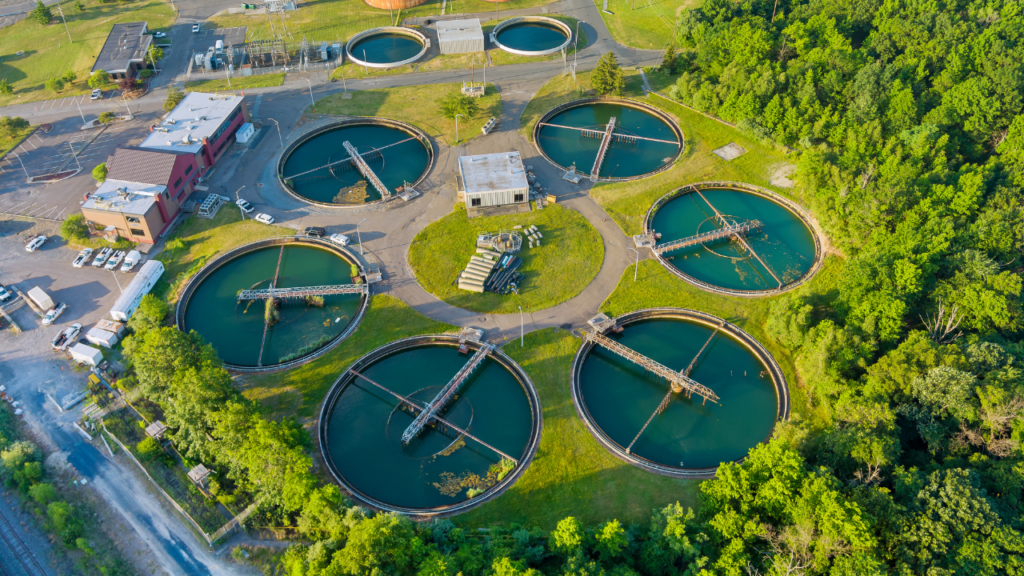
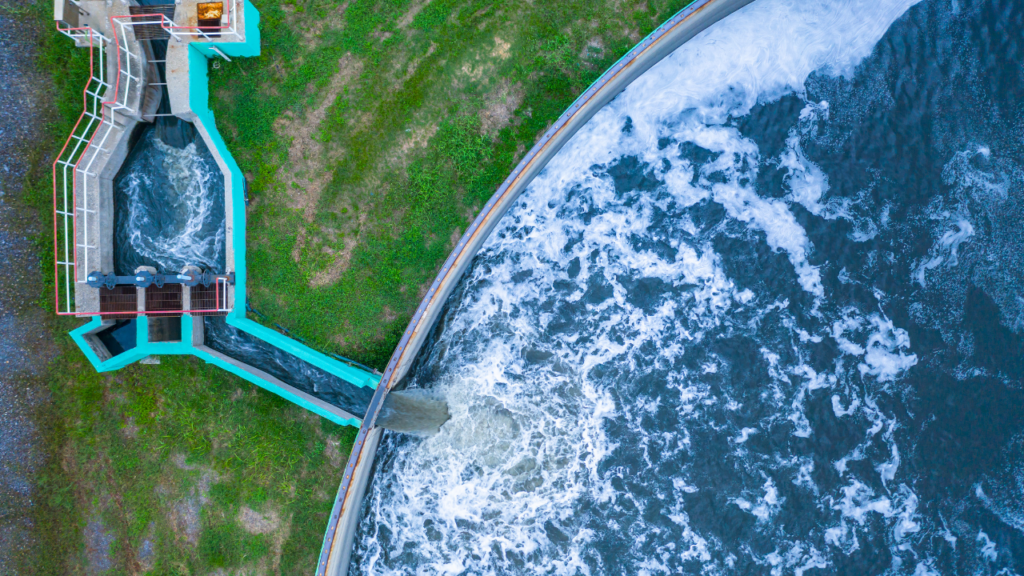
Have you ever wondered what happens to all the waste from your sink, shower, or toilet after you flush it down the drain? There’s a complex process that takes place to properly treat wastewater, which is crucial for disease prevention and environmental protection. In Maryland, there are 66 wastewater treatment plants (WWTPs) that handle over three billion gallons of wastewater every day. This blog serves as a guide to these plants, explaining how they work and highlighting the significance of wastewater treatment for both our health and the ecosystem. What is a wastewater treatment plant? A wastewater treatment plant is a facility that processes waste from residential, commercial, and industrial sources. The treatment process involves several steps, including the removal of solid waste, organic matter, and harmful chemicals. Once treated, the water is either discharged back into the environment or reused. Additionally, most wastewater treatment plants generate bio-solids from the sludge, which can be further processed and used as fertilizer, in landfills, or for energy purposes. How do wastewater treatment plants work? The wastewater treatment process may vary slightly depending on factors such as plant size, design, and the type of waste being treated. However, most plants follow a similar framework consisting of three stages: primary treatment, secondary treatment, and tertiary treatment. During primary treatment, the wastewater flows into large settling tanks where heavier solids settle at the bottom. In the secondary treatment stage, biological treatment takes place, with the help of bacteria breaking down the organic matter. Finally, in tertiary treatment, chemicals or physical methods are employed to further remove any remaining impurities. Why is wastewater treatment crucial for our health? Untreated wastewater can contain harmful pathogens, bacteria, or viruses that can lead to diseases like cholera, typhoid, or hepatitis. Moreover, untreated wastewater poses significant environmental threats, such as algae blooms, eutrophication, and the decline of marine life. Wastewater treatment plays a vital role in removing harmful substances and pollutants, preventing waterborne illnesses, and safeguarding our water resources for future generations. Wastewater Treatment Plants in Maryland Maryland is home to 66 wastewater treatment plants scattered across its counties. Among the largest facilities are the Back River WWTP in Baltimore, which processes around 180 million gallons per day, and the Patapsco WWTP that serves Baltimore City, Arundel, and Howard counties. Other notable plants include the Blue Plains WWTP in Washington, D.C., and the Plant B WWTP in Anne Arundel County. These treatment plants are regulated by the Environmental Protection Agency (EPA) under the Clean Water Act, ensuring compliance with discharge standards and upholding environmental protection. Wastewater treatment is crucial for ensuring a healthy and safe environment. Fortunately, in Maryland, we are fortunate to have a well-managed system consisting of 66 wastewater treatment plants. These plants treat billions of gallons of wastewater every day. Proper treatment of wastewater not only benefits our health but also the environment, playing a vital role in preventing the spread of waterborne diseases. It is our responsibility to support and contribute to efforts aimed at maintaining and enhancing the processes and technologies used in our wastewater treatment plants. Together, we can foster a sustainable and efficient wastewater management system.

Keeping Maryland Clean: A Guide to Wastewater Treatment Plants in Maryland Read More »
Understanding How Water Treatment Technology Works

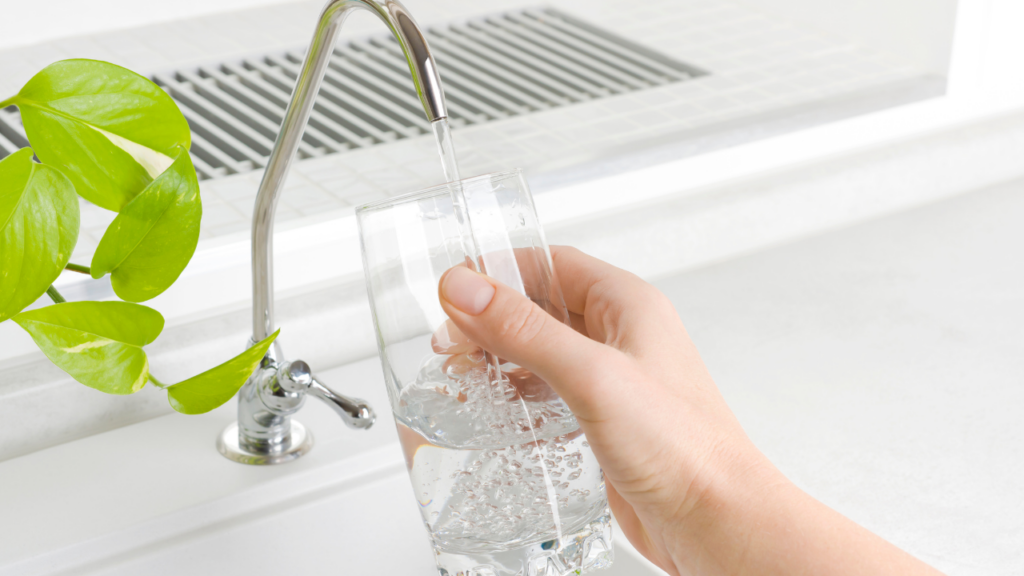
When we turn on a faucet for a glass of water, we often take for granted its cleanliness and safety for consumption. But did you know that the water we drink goes through a treatment process before it reaches our homes? Water treatment technology has been carefully developed to ensure that our drinking water is free from harmful chemicals, bacteria, and particles, thus keeping us healthy and hydrated. Let’s explore the four key stages of water treatment: Step #1: Coagulation and Flocculation – During this initial stage, chemicals such as aluminum sulfate or ferric chloride are added to the water. These chemicals attract tiny particles, causing them to clump together and become heavier, eventually sinking to the bottom of the tank. This process, known as settling, effectively removes impurities. Step #2: Sedimentation – Once settled, the heavier particles are separated from the water through sedimentation. The water is left undisturbed for a specific period, allowing gravity to facilitate the separation. The accumulated particles are then properly disposed of. Step #3: Filtration – After the sedimentation process, the water undergoes filtration using sand and gravel filters. This filtration removes any remaining particles, bacteria, and viruses that may have escaped the previous stages. As a result, the water becomes free from impurities and safe for consumption. Step #4: Disinfection – The final stage of water treatment involves disinfection. To ensure the elimination of any remaining bacteria or organisms, a chemical disinfectant, typically chlorine, is added. This disinfection process is similar to what we commonly see in swimming pools to maintain cleanliness and prevent bacterial growth. Water treatment technology is a complex but crucial process that warrants our understanding. The next time you turn on your faucet for a refreshing glass of water, remember the rigorous steps it undergoes to guarantee cleanliness and safety. By comprehending water treatment technology, we can better appreciate the often overlooked efforts of those who tirelessly work to supply us with clean and safe drinking water.

Understanding How Water Treatment Technology Works Read More »

The Importance of Water Filtration and Purification for Your Health

Water is the key to life, comprising over half of our body weight and vital for our health. However, not all water is the same, as many sources are contaminated with harmful substances that pose serious health risks. That’s where water filtration and purification come in. In this informative article, we will explore the benefits of water filtration and purification and how they can improve your health. What is water filtration and purification? Water filtration and purification are processes that remove impurities and contaminants from water. Filtration physically eliminates large particles and sediment, while purification goes a step further by removing invisible viruses, bacteria, and other harmful substances. Why are water filtration and purification important? The significance of water filtration and purification cannot be overstated. Untreated water contaminants can lead to gastrointestinal illness, kidney damage, and even cancer. Vulnerable individuals, like infants and the elderly, are particularly at risk. By removing impurities, water filtration and purification greatly reduce these health hazards. Types of water filtration and purification systems Numerous systems are available, each with unique advantages and disadvantages. Common types include activated carbon filters, reverse osmosis systems, and ultraviolet purification systems. Activated carbon filters eliminate chlorine and volatile organic compounds, while reverse osmosis systems remove nearly all dissolved solids. Ultraviolet purification systems effectively kill bacteria and viruses. Choosing the right water filtration and purification system When selecting a system, it’s crucial to consider your specific needs and budget. Factors such as water quality, usage, and desired filtration level should guide your decision. Opt for systems from reputable manufacturers and ensure regular maintenance for proper functioning. The benefits of clean water Clean water offers numerous advantages for overall health and well-being. It aids digestion, boosts immune function and energy levels, and reduces the risk of chronic diseases. Additionally, clean water promotes safe hydration for better performance in everyday life. In conclusion, water filtration and purification are essential for maintaining good health. By removing harmful contaminants, these systems can significantly reduce the risk of illness and disease. With many different types of systems available, it’s essential to choose one that meets your specific needs and budget. By investing in a water filtration and purification system, you can enjoy the many benefits of clean water for years to come.

The Importance of Water Filtration and Purification for Your Health Read More »

Why Filtering Water for Your Plants is Beneficial

When it comes to caring for our plants, giving them the best possible care is crucial. While tap water may seem like an easy choice, considering the quality of the water and its impact on plant growth and health is important. In this blog, we will discuss the benefits of filtering water for plants and how it contributes to their overall well-being. Removes Harmful Chemicals: Filtering water effectively eliminates detrimental chemicals such as chlorine, fluoride, and lead that can hinder plant growth. Over time, these chemicals can accumulate in the soil and cause various issues like stunted growth, wilting, and even death. By filtering water, we eliminate these risks and provide our plants with a better opportunity to thrive. Provides Essential Nutrients: Filtered water typically contains higher levels of essential minerals like calcium, magnesium, and potassium. These minerals are vital for plant growth, development, and overall health. By filtering our water, we not only remove harmful chemicals but also supply plants with the necessary nutrients they need to flourish. Reduces Soil Salinity: Regular tap water can lead to an accumulation of minerals that increase soil salinity over time. This excessive salt content can severely affect plant growth and hinder them from reaching their full potential. Filtering water helps reduce soil salinity, creating a more favorable environment for plants to grow. Increases Water Absorption: Filtered water is easier for plants to absorb compared to regular tap water. It is free from impurities and chemicals that can impede absorption. By using filtered water, we ensure that our plants receive the maximum amount of water they need to thrive and flourish. Promotes a Healthy Environment: Filtering water for our plants not only benefits their growth but also contributes to a healthier environment for ourselves. The chemicals and minerals present in tap water can be harmful to our health, so filtering water reduces our exposure to these potentially dangerous substances. By following these practices and filtering water for our plants, we provide them with optimal care, leading to healthy growth and ensuring a safer environment for ourselves.

Why Filtering Water for Your Plants is Beneficial Read More »

A Comprehensive Guide to Understanding How Water Treatment Plants Work

Clean and potable water is crucial for our overall health and well-being. However, not all water sources are suitable for consumption. This is where water treatment plants play a vital role. In this blog post, we will examine the inner workings of water treatment plants and delve into the water treatment process. The Collection and Screening of Raw Water: The first step in the water treatment process is the collection and screening of raw water. Raw water can be sourced from natural sources like lakes, streams, and rivers, or from underground wells. During this stage, any large debris such as sticks, leaves, and twigs is removed through the collection and screening process. Coagulation and Flocculation: The subsequent stage of water treatment is coagulation and flocculation. Chemicals are introduced into the water to attract and bind together any tiny particles that may be present. These bound particles form clumps called floc, which then settle at the bottom of the treatment tank. Sedimentation: After the floc formation, the water is allowed to sit quietly in a tank, facilitating the settling of the floc at the bottom. This process, known as sedimentation, effectively separates the heavier particles from the water, resulting in more transparent water that can be drawn off the top of the tank. Filtration: The next stage in the water treatment process involves filtration. During this stage, water passes through a series of filters that remove any remaining particles not eliminated through sedimentation. Various materials, such as sand, gravel, and activated charcoal, can be used as filter media. Disinfection: Before the water is distributed, it undergoes a final disinfection stage. In this stage, any remaining harmful bacteria, viruses, and parasites are either killed or made harmless. The most common disinfection method employed in water treatment is the use of chlorine. By understanding the intricate steps involved in the water treatment process, we ensure a safe and reliable supply of clean water for consumption and overall well-being.

A Comprehensive Guide to Understanding How Water Treatment Plants Work Read More »

Do Restaurants Use Water Filters? The Truth About Clean Drinking Water in Eating Establishments

As health and wellness enthusiasts, we understand the significance of clean drinking water for our bodies and overall well-being. However, have you ever wondered about the water quality in restaurants you visit? Do they prioritize the use of water filters to ensure safe and healthy drinking water? While many assume that restaurants are required to adhere to strict regulations for customer health and safety, the reality may be surprising. In this article, we will examine the truth about water filters in restaurants and why they hold importance for your well-being. First and foremost, it is crucial to note that not all restaurants are legally required to have water filters in place. While the Food and Drug Administration (FDA) regulates the quality of drinking water in public water systems across the United States, these regulations do not extend to private wells or non-public water systems used by restaurants. Consequently, if a restaurant relies on a non-public water system, the responsibility for ensuring water quality rests solely with the restaurant owner. Nevertheless, many restaurants choose to utilize water filters as a precautionary measure. These filters effectively eliminate impurities and contaminants, offering customers a safer and purer drinking experience. Additionally, some restaurants may implement other purification methods, such as reverse osmosis or ultraviolet light treatment, to further enhance the quality of their water. When dining out, it is always recommended to inquire about the restaurant’s water filtration methods, particularly if you have specific concerns regarding water quality. Improving the taste and appearance of water is another reason why restaurants opt to install water filters. Depending on the source of their water supply, restaurants may encounter issues like chlorine or mineral taste, cloudy appearance, or unpleasant odors. By utilizing water filters, these unwanted elements can be effectively removed, resulting in an enhanced overall drinking experience for customers. Furthermore, we must consider the environmental aspect. By incorporating water filters, restaurants can diminish their reliance on bottled water, thus contributing to the reduction of plastic waste. Encouraging the use of filtered tap water in lieu of bottled water not only promotes sustainable practices but also aids in reducing the carbon footprint of the food industry. In conclusion, while not mandatory, the presence of water filters in restaurants serves to ensure safe and high-quality drinking water. By utilizing these filters, restaurants prioritize customer safety, enhance the taste and appearance of water, and contribute to the overall sustainability of the food industry. Next time you dine out, don’t hesitate to inquire about the restaurant’s water filtration methods, as it directly impacts your health and well-being.

Do Restaurants Use Water Filters? The Truth About Clean Drinking Water in Eating Establishments Read More »

Everything You Need to Know About Drinking Water Webinars

Drinking water webinars are an excellent opportunity for individuals to enhance their understanding of the significance of consuming clean and safe water for their overall well-being. In this detailed blog post, we are excited to delve deep into the world of drinking water webinars, exploring various aspects and providing valuable insights to make your webinar experience truly exceptional. What Exactly are Drinking Water Webinars? If you are unfamiliar with the concept, drinking water webinars are dynamic online seminars specifically designed to educate people about the utmost importance of consuming clean and safe water. Led by experts in water quality, water treatment, health, and wellness, these webinars offer participants worldwide the opportunity to stay informed about the latest research, trends, and best practices within the water industry. From the comfort of your own space, you can gain valuable knowledge that will empower you to make informed decisions regarding your water consumption habits. Why Should You Attend a Drinking Water Webinar? Attending a drinking water webinar can bring numerous benefits that will undoubtedly enhance your understanding and awareness. Let’s take a look at some of the advantages you can gain: Stay Updated on the Latest Research and Trends: Our webinars provide a platform to access the most recent discoveries and cutting-edge developments in the water industry, ensuring that you stay on top of the latest trends and advancements. Embrace the Benefits of Clean and Safe Drinking Water: Learn about the multitude of benefits that consuming clean and safe water can have on your health and overall well-being. Understand the Risks of Drinking Contaminated Water: Gain crucial insights into the potential risks and hazards associated with consuming contaminated water, empowering you to protect yourself and your loved ones. Explore Different Water Treatment Technologies and Methods: Discover various water treatment technologies and methods available, allowing you to make informed choices on the most suitable options for your needs. Enhance the Taste and Odor of Your Drinking Water: Learn effective strategies and techniques to improve the taste and odor of your drinking water, making it more enjoyable and refreshing. Uncover the Impact of Water on the Environment: Understand the significance of water preservation and the environmental impact of our water consumption habits, enabling you to contribute to a more sustainable future. Master Techniques to Conserve Water and Reduce Water Bills: Gain valuable tips and strategies to conserve water and reduce your water bills, fostering sustainable practices and saving valuable resources. How Can You Discover Drinking Water Webinars? In today’s digital world, finding drinking water webinars has become increasingly accessible. Here are a few effective ways to discover these insightful online events: Online Research: Conduct a simple online search for water treatment companies or reputable water organizations that host webinars, providing you with a plethora of options to choose from. Explore Health and Wellness Websites: Monitor event schedules on health and wellness websites and blogs, as they often feature comprehensive listings of upcoming webinars related to water and overall well-being. Subscribe to Newsletters and Emails: Consider signing up for newsletters and email subscriptions from water-related organizations to ensure you receive regular updates, including announcements about upcoming webinars and related events. Follow Water Treatment Companies on Social Media: Stay connected with water treatment companies on popular social media platforms such as Facebook, LinkedIn, and Twitter. By doing so, you can stay up-to-date with their latest news, events, and webinar schedules. How Can You Prepare for a Drinking Water Webinar? To maximize your engagement and derive the utmost value from attending a drinking water webinar, it is vital to adequately prepare in advance. Here are some key tips to ensure your experience is as fulfilling as possible: Register Early: Secure your spot by registering early, as popular webinars might have limited availability. Test Your Computer and Internet Connection: Prior to the webinar, test your computer’s hardware and software compatibility, ensuring a smooth and uninterrupted streaming experience. Additionally, verify the stability of your internet connection to avoid any unforeseen technical issues. Choose a Quiet and Distraction-Free Environment: Find a comfortable and quiet space where you can focus and actively participate in the webinar without any distractions. Take Detailed Notes: During the webinar, make a conscious effort to take comprehensive notes, capturing key points, insights, and actionable advice shared by the experts leading the session. These notes will serve as a valuable resource for future reference and reflection. Engage and Ask Questions: Actively engage with the presenter and other participants through the online chat feature, asking questions and participating in discussions. This will allow you to deepen your understanding and connect with like-minded individuals who share your passion for water and overall wellness. Discover the Best Drinking Water Webinars to Attend To ensure you make the most of your drinking water webinar journey, here are some highly recommended webinars that cover a wide range of relevant topics: Water Quality Insights: Delve into the world of water quality, exploring various aspects such as testing methods, standards, and regulatory compliance. Cutting-Edge Water Treatment Technologies: Discover the latest advancements in water treatment technologies, including membrane filtration, UV disinfection, and advanced oxidation processes. Health and Wellness Benefits of Clean Water: Uncover the numerous health benefits associated with consuming clean and safe water, exploring how proper hydration promotes overall well-being. Sustainable Water Management and Conservation: Learn innovative strategies and practices to conserve water, reduce waste, and promote sustainable water management within your community. As you embark on your drinking water webinar journey, remember to approach each session with curiosity, an open mind, and a thirst for knowledge. The insights gained from these webinars will undoubtedly empower you to make informed decisions regarding your drinking water consumption, benefiting both yourself and the world around you. Enjoy your learning experience and cheers to a healthier future!

Everything You Need to Know About Drinking Water Webinars Read More »

The Importance of Drinking Water Research Methods

Drinking water, a crucial element for maintaining good health, is often underestimated. While we are well aware of its benefits and the detrimental effects of dehydration, the significance of research methods employed in studying this life-sustaining resource is frequently overlooked. In this captivating blog post, we will delve into the indispensability of research methods in analyzing the quality of drinking water and their impact on our overall well-being. The Impact of Research Methods on Drinking Water Quality Research methods serve as the cornerstone in maintaining the purity of drinking water. Water treatment plants and regulatory bodies heavily rely on these methods to ensure the safety of our everyday water consumption. Through chemical and microbiological testing, as well as taste and odor analysis, these techniques effectively identify any potential contaminants lurking in our water sources. Pathogens, heavy metals, and other harmful substances can be swiftly identified, leading to required measures being implemented to eliminate or minimize these contaminants. Ultimately, these research methods guarantee that the water we consume is fit for consumption, promoting our well-being. The Fatal Consequences of Improper Research Methods It is imperative to recognize that incorrect or incomplete research methods can usher in disastrous consequences for our water supply. Inadequate methods may result in unclean water being distributed to homes and businesses, paving the way for waterborne diseases. Legionnaires’ disease, cryptosporidiosis, and cholera are just a few examples of the potential hazardous outcomes that can arise, sometimes tragically. The gravity of these repercussions underlines the necessity of employing reliable and validated research methods when studying drinking water. Consistency in Drinking Water Quality Water treatment plants extensively rely on consistent and accurate research methods as they strive to maintain optimum drinking water quality. Without the assurance of robust research methods, the arduous task of quality control would be insurmountable. It is the consistency of these methods that guarantees the water supply consistently meets, if not exceeds, the standards set by regulatory agencies. Regular testing is paramount, as it enables the prompt detection of any shifts in water quality, ensuring immediate action can be taken. The Vital Role of Research Methods in Crisis Management In times of emergencies or crisis situations such as natural disasters or contamination incidents, research methods emerge as indispensable tools for effective responses. With emergency response plans in place, water treatment plants are poised to swiftly combat and mitigate risks. By employing appropriate research methods, the identification and tracking of contamination sources become feasible, enabling plant operators to promptly execute suitable measures. Through these methods, our water supply remains safeguarded even in the face of adversity. In conclusion, it is vital to recognize the paramount importance of research methods in the study of drinking water. These methods are the linchpin in ensuring the quality and safety of our water supply. By appreciating their impact and optimizing their application, we can continue to enjoy clean and refreshing drinking water that contributes to our overall health and well-being.

The Importance of Drinking Water Research Methods Read More »

The Harmful Effects of Algal Blooms on Your Health

As health and wellness enthusiasts, our dedication to leading healthy lives is evident through the efforts we put in. From monitoring our food intake to staying active, we strive to do everything possible to maintain our well-being. But what if we were to inform you about an invisible threat to our health and well-being that often goes unnoticed? It’s crucial that we shed light on the growing concern of algal blooms, which can have a devastating impact on our health. In this blog, we will dive deeper into harmful algal blooms – what they are, how they occur, and the effects they can have on our health. Understanding Algal Blooms Algal blooms occur when there is a significant increase in the number of algae in bodies of water, resulting in the formation of a green or blue-green scum on the water’s surface. Algae are tiny plant-like organisms that thrive in both fresh and saltwater ecosystems. Under normal circumstances, they pose no harm. However, when the population of algae rapidly multiplies, it leads to the formation of harmful algal blooms (HABs). These blooms release toxins that can be detrimental to humans, animals, and the environment. The Impact of Harmful Algal Blooms on Health HABs can impact our health through direct contact and ingestion. Direct contact occurs when we come into contact with the algal blooms while in the water. The toxins produced by these blooms can cause skin irritation, rashes, and, if ingested, symptoms such as stomach upset, headaches, and diarrhea. Inhaling the toxins can also lead to severe respiratory effects, including coughing and difficulty breathing. It is crucial to avoid swimming, boating, or wading in water bodies that show visible signs of algal blooms. Safeguarding Yourself from Harmful Algal Blooms The best way to protect ourselves from HABs is to avoid exposure to affected water sources. It is important to be cautious while swimming, particularly during the summer months when algal blooms are most prevalent. If there are algal blooms present in a lake, river, or ocean, it is advised to refrain from swimming or engaging in any recreational activities that involve contact with the water. In the event that you or your pet comes into contact with an algal bloom, make sure to rinse off immediately with fresh water. Additionally, it is essential to be mindful of any signs of algal blooms, such as the presence of green or blue scum on the water’s surface, and promptly notify the respective authorities if you suspect a HAB in your area. Preventing Harmful Algal Blooms Although algal blooms are a natural occurrence, human activities such as agriculture and wastewater runoff have contributed to their growth and spread. To tackle this issue, it is imperative that we make efforts to reduce nutrient pollution and promote sustainable practices that limit the occurrence of algal blooms. This includes implementing proper wastewater management systems, reducing the use of fertilizers near water bodies, and practicing responsible agricultural practices. By raising awareness about harmful algal blooms and taking proactive steps to prevent them, we can safeguard both our health and the environment. Remember, knowledge and action are key in combating this invisible threat. Together, let’s strive for a healthier and algae-free future.

The Harmful Effects of Algal Blooms on Your Health Read More »

Stormwater: The importance of protecting our local environment and our health

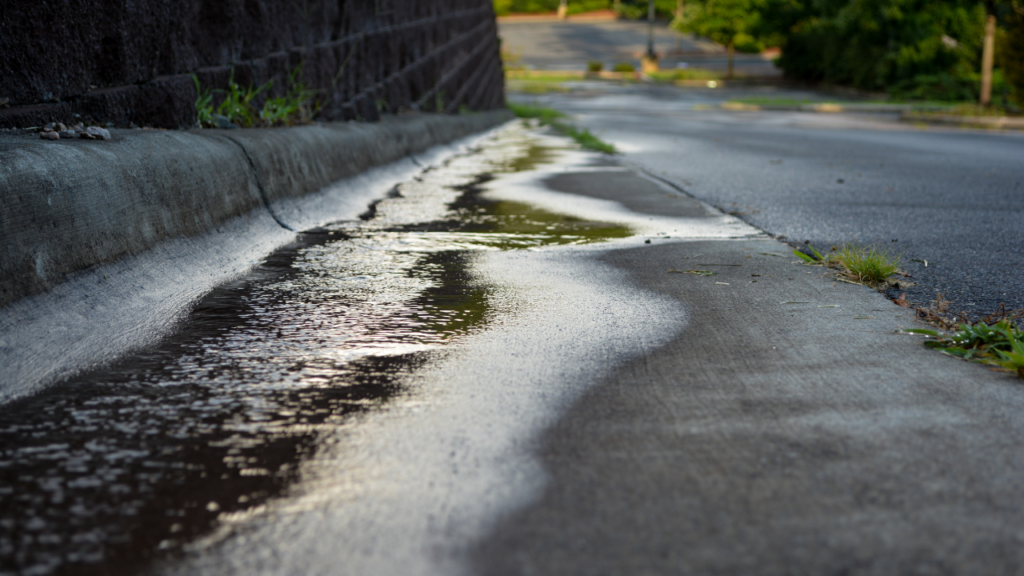
As health and wellness enthusiasts, it’s essential for us to have a deep understanding of how different aspects of our environment impact our overall well-being. One key element that has a significant effect on both our health and the environment is stormwater. What is stormwater, you might ask? Well, it’s the water that comes from rain and snow and then flows into natural bodies of water or into the sewer system. But why should we care about managing stormwater effectively? Let me tell you. First and foremost, stormwater can contain various harmful pollutants like chemicals, pesticides, bacteria, and viruses. These pollutants can pose a serious threat to public health and even contaminate our drinking water. Exposure to stormwater pollutants can lead to issues like skin irritation, respiratory problems, and other health complications. By managing stormwater effectively, we can minimize the risk of exposure to these pollutants and safeguard public health. But wait, there’s more! Stormwater doesn’t just impact human health; it also has a profound effect on the environment. When rain falls on impervious surfaces such as roads, parking lots, and rooftops, it picks up pollutants and sediment along the way. These pollutants then flow into storm drains or nearby water bodies, resulting in pollution. This pollution can harm aquatic life, cause algal blooms, and make fish unsafe for consumption due to the presence of harmful toxins. That’s why it’s crucial to manage stormwater effectively and protect our precious waterways, wildlife, and ecosystems. Now that we understand the significance of stormwater management, let’s explore some possible solutions. One effective approach is the use of green infrastructure techniques like rain gardens and green roofs. These nature-based solutions allow water to be absorbed by the ground or plants, instead of flowing directly into water bodies and causing pollution. Additionally, implementing best management practices such as street sweeping and stormwater filtration systems can help prevent stormwater pollution from entering our natural water sources. But it’s not just up to governments and organizations to take action. Each and every one of us has a part to play in reducing stormwater pollution and protecting our health and the environment. It’s the small personal actions that make a significant impact. Simple steps like reducing the use of fertilizers and pesticides, properly disposing of pet waste, and conserving water can go a long way in minimizing stormwater pollution. In conclusion, stormwater management matters. By understanding its impact on public health and the environment, exploring solutions, and taking personal actions, we can all contribute to creating a cleaner and healthier future. So let’s join hands and work towards protecting our health and our local environment from the detrimental effects of stormwater pollution.

Stormwater: The importance of protecting our local environment and our health Read More »

Scroll to Top