Aquafeel Maryland

Aquafeel Maryland

Understanding Lead in Drinking Water: Causes, Effects, and Solutions

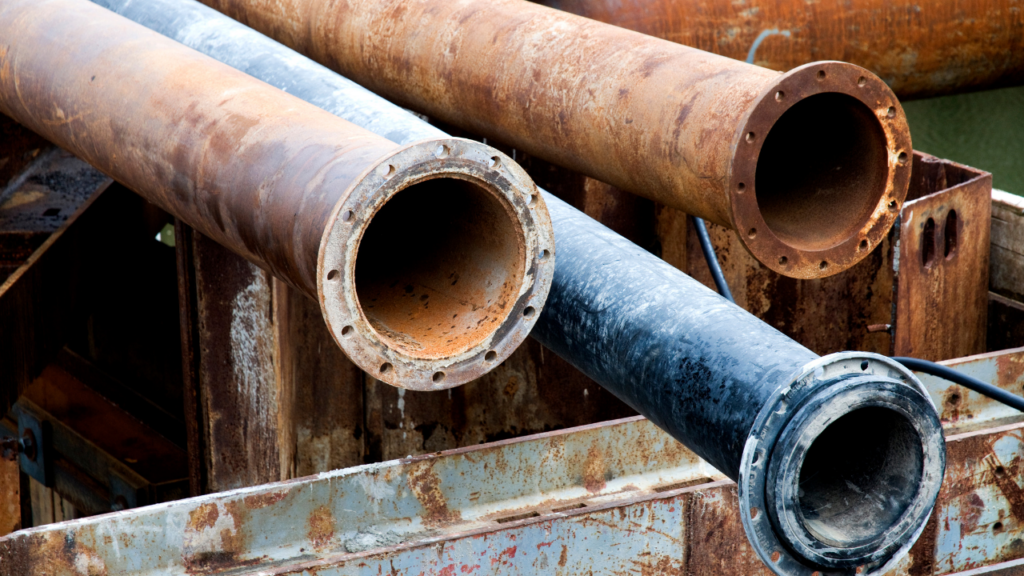
Water is an essential component for our survival. However, despite its necessity, it’s important to recognize that water isn’t always safe to use. One of the dangers we often overlook is the presence of lead in drinking water, a serious issue affecting communities worldwide. In this extended blog post, we will delve into the causes of lead contamination in drinking water, its detrimental effects on our health, and propose practical solutions to address this pressing concern. Causes of Lead in Drinking Water Lead contamination in drinking water primarily stems from corroded plumbing, which is more prevalent in older homes and buildings. As water interacts with lead pipes, fittings, and fixtures, the corrosion process intensifies, resulting in lead leaching into the water supply. Furthermore, the use of lead-based solder in plumbing systems, service lines, and fixtures exacerbates the issue. Even activities such as demolition or construction near water supply lines can introduce lead into the water. Effects of Lead in Drinking Water on Our Health The consequences of lead in drinking water are particularly severe for children. Due to their higher susceptibility to lead absorption, exposure to contaminated water can cause developmental delays, learning disabilities, behavioral issues, decreased IQ, and damage to vital organs such as the kidneys and brain. Adults, too, are not immune to the health problems arising from lead-contaminated water. High blood pressure, nerve damage, and reproductive complications can all result from consuming water contaminated with lead. Solutions to Address the Issue of Lead in Drinking Water Various solutions can be employed to tackle the prevalent issue of lead in drinking water. One effective approach involves replacing lead pipes, fittings, and fixtures with materials free from this harmful substance. Additionally, in homes or buildings with lead service lines, partial replacement techniques can be implemented to target the lead portion exclusively. Installing filters capable of removing lead from water represents another viable solution. Moreover, the introduction of chemicals that create a protective barrier between the water and the lead pipes can prevent corrosion and subsequent lead contamination. By understanding the causes and effects of lead in drinking water, we can actively take steps towards safeguarding our health and the well-being of future generations. Empowered with the knowledge provided in this comprehensive blog post, it is our collective responsibility to combat this issue and ensure the availability of clean, safe drinking water for all.

Understanding Lead in Drinking Water: Causes, Effects, and Solutions Read More »
Emergency Water Purification: Everything You Need to Know

Water plays a critical role in sustaining life, serving as an indispensable component for our survival. Unfortunately, situations like natural disasters, camping, or hiking can severely limit access to clean water. In such challenging circumstances, having a reliable and safe water purifying method becomes essential. In this comprehensive blog post, we will delve into the world of emergency water purification, exploring different purification methods and providing a step-by-step guide to ensure your water is purified, even in the direst situations. Why Does Emergency Water Purification Matter? During natural disasters like hurricanes, floods, or earthquakes, the water infrastructure is often damaged, resulting in contamination of water sources by harmful bacteria, viruses, and parasites. Consuming this contaminated water can lead to severe waterborne illnesses such as cholera, typhus, and hepatitis. Therefore, having a trustworthy water purifying method is vital not only to safeguard your health, but also to protect you and your family from potentially life-threatening situations. Various Water Purification Methods When it comes to purifying water during emergencies, a range of methods exists. Let’s explore some of the most effective options: Boiling Method: This is the simplest and most reliable method. By boiling water for at least one minute, you can effectively kill harmful bacteria, viruses, and parasites, ensuring the water is safe to drink. Chemical Treatment: Chemical tablets such as iodine or chlorine can be used to disinfect water. Carefully follow the instructions provided, and allow for a minimum of 30 minutes for the chemicals to neutralize any potential contaminants before consuming the water. Filtration Method: Utilizing a water filter with small pore sizes can effectively remove bacteria and parasites from the water. For added protection, this method can be combined with chemical treatment and boiling. UV Radiation: Ultraviolet water purifiers that employ UV light to eliminate bacteria, viruses, and parasites are highly effective. However, it’s important to note that this method requires batteries and electricity to operate. Steps for Purifying Water To purify water during an emergency, follow these crucial steps: Collect water from a clean source such as a lake, river, or stream. Be cautious and avoid stagnant water or sources that may potentially be contaminated by chemicals or human waste. Filter the water, if possible, using a strainer or cloth to remove visible debris and particles. Boil the water for a minimum of one minute. Alternatively, you can opt for chemical treatment as directed on the packaging. Remember to wait for at least 30 minutes after treatment before consuming the water. If using a filter, attach it directly to the water source and carefully follow the instructions to filter the water effectively. For individuals deploying a UV water purifier, immerse the device in the water source and adhere to the manufacturer’s instructions to ensure proper operation. Tips for Storing Water During Emergencies In addition to purifying water, storing water properly during emergencies is crucial to ensure a sustainable supply. Some important tips to consider include: Store water in clean, airtight containers to prevent contamination. Aim to store at least one gallon of water per person per day, ensuring a sufficient supply for drinking, cooking, and sanitation needs. Regularly inspect and replace stored water to maintain freshness and prevent potential contaminants from developing. By following these guidelines, you can stay prepared, ensuring access to drinking water even in the most challenging scenarios. Remember, with the right knowledge and preparations, you can tackle any situation that comes your way. Stay informed, stay safe!

Emergency Water Purification: Everything You Need to Know Read More »

The Importance of Purifying Well Water for Your Health and Wellness

Water is an absolute necessity for sustaining life. It serves as a fundamental element in the preservation of all living beings, making it a non-negotiable aspect of our existence. Consider this – the human body comprises more than 60% water, showcasing its paramount significance in various bodily functions like digestion, circulation, and temperature regulation. However, not all water is created equal, and this truth extends to well water as well. While many individuals rely on well water as their primary water source, it’s essential to acknowledge that it may harbor certain contaminants that can potentially jeopardize your overall health and well-being. In this captivating blog post, we shall delve into the significance of purifying well water to safeguard your vitality. Brace yourself, for we shall begin by unraveling the hidden world of contaminants that may lurk within the depths of well water. The groundwater that feeds well water naturally contains minerals and elements. Nevertheless, it is not uncommon for man-made chemicals, heavy metals, bacteria, viruses, and other detrimental contaminants to infiltrate this source. These impurities can induce health problems of varying degrees, ranging from mild afflictions like nausea and diarrhea to debilitating chronic ailments. Now, picture how consuming contaminated water could ravage your precious temple, your body. Chronically ingesting contaminated water can have far-reaching health ramifications, including damage to your kidneys and liver, or even the horrifying possibility of cancer. Let’s not overlook the detrimental impact contaminants can have on your immune system, rendering it feeble and susceptible to a myriad of illnesses and diseases. But fear not! There is hope in the form of purifying well water. Embarking on this journey of water purification allows you to relinquish the clutches of harmful contaminants, ensuring the sanctity of your water supply. Innovative water purification systems, such as the remarkable reverse osmosis and dynamic activated carbon filtration, work diligently to eradicate impurities and elevate water quality. The benefits of purifying well water extend beyond mere safety; it also grants you the pleasure of enhanced water taste and odor. Curious minds may wonder – how does one embark on this noble endeavor of purifying well water? Fear not, for there exist a plethora of methods dedicated to this sacred cause. The most popular techniques include distillation, reverse osmosis, and activated carbon filtration. Distillation, an ancient yet effective method, involves boiling water to form steam, which is then collected, leaving behind contaminants. Alternatively, reverse osmosis employs a semi-permeable membrane to effectively eliminate impurities from the water. Last but certainly not least, the captivating activated carbon filtration technique entails meticulously passing water through a specially designed filter infused with highly active carbon, guaranteeing the removal of those unwanted impurities. Of course, we must not forget the crucial maintenance that water purification systems require to fulfil their vital duties effectively. Regularly replacing filters is paramount to prevent the growth of bacteria and other contaminants. Additionally, periodic disinfection of the system is essential to ensure continued optimal performance. So, dear reader, as you embark on your quest for unadulterated well water, let the knowledge of its importance ignite a spark within you. Explore the depths of water purification systems and embrace the resilience of purified water. May every sip invigorate your being, reminding you of the significance of preserving your health and wellness.

The Importance of Purifying Well Water for Your Health and Wellness Read More »

A Guide to Emergency Water Purification: Tips to Keep Your Water Clean During a Crisis

Water is a vital necessity for life. It sustains us and fulfills our needs, from cooking to drinking and cleansing. However, natural water sources can be contaminated during disasters, leading to serious consequences like illness or dehydration. Emergency water purification is a crucial step in preparing for such situations, ensuring access to clean water when it is needed the most. The first step in emergency water purification is to identify potential water sources, such as rivers or springs. However, it is important to be cautious and test the water for safety, as contaminants like chemicals, bacteria, or viruses may be present. Boiling water is a simple and effective method of purification. By bringing the water to a vigorous boil for at least a minute, any bacteria or viruses can be eliminated. When at higher altitudes, boiling for 3-5 minutes is recommended. After boiling, allow the water to cool before consuming. Another option for purification is using filtration systems. These systems provide a wide range of choices for removing impurities from water. Chemical Disinfection Let us take a moment to understand the process of chemical disinfection – the use of chlorine or iodine to treat our water. It is important to carefully follow the instructions provided with these disinfectants to ensure their effectiveness. Be cautious and avoid excessive use. However, keep in mind that these chemicals may leave a faint mark. Therefore, it is advisable to let the water sit for a while before consuming, allowing it to regain its natural taste and smell. UV Purification UV purification is a modern method that utilizes ultraviolet light to destroy viruses and bacteria in our water. UV purification devices, powered by batteries or electricity, provide a convenient alternative to chemical disinfection or boiling. With this technology, you can easily obtain clean and safe water without much hassle. Embrace the knowledge of emergency water purification and find comfort in the fact that water and purification can bring tranquility even in difficult times.

A Guide to Emergency Water Purification: Tips to Keep Your Water Clean During a Crisis Read More »

The Explosive Reaction: What Happens to Lava When It Hits Water

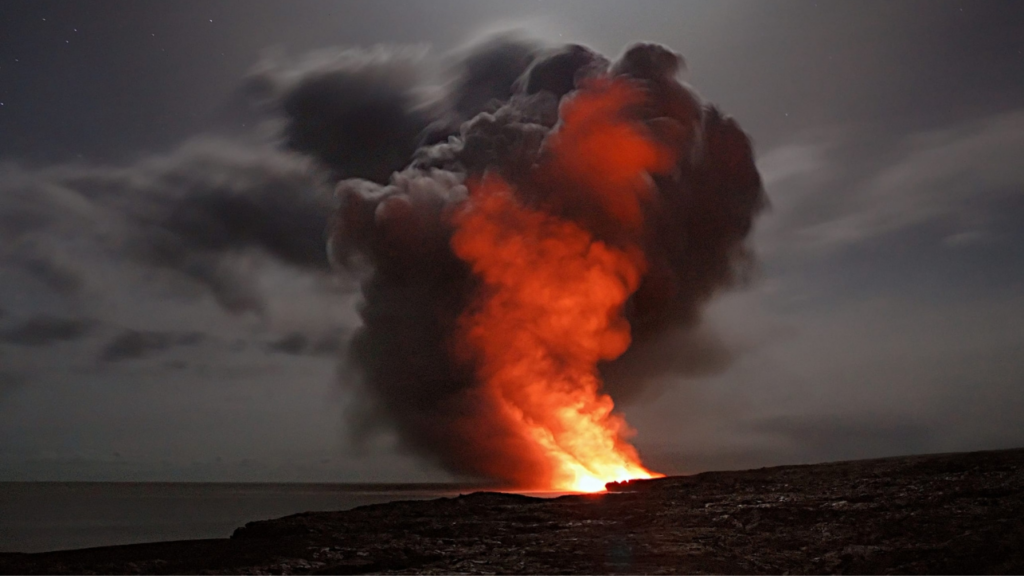
When we delve into the realm of health and wellness, our minds gravitate toward factors such as diet, exercise, and stress management. Yet, intriguingly enough, there are other avenues that contribute to our mental well-being and overall vitality—one of which involves immersing ourselves in the wonders of nature. Marveling at the beauty of breathtaking natural phenomena can serve as an escape from the daily grind, allowing us to truly be present in the moment. In this riveting blog post, we embark on an exploration of what unfolds when lava collides with water and why this awe-inspiring event is a must-see, at least once in a lifetime. The encounter between lava and water sets a series of captivating reactions into motion. As the lava meets the water’s embrace, it swiftly cools and solidifies, stripping away its fiery energy. The intensity of this reaction depends on both the lava’s temperature and the extent of water it encounters. With scorching lava, the water instantly boils, igniting a spectacular explosion of steam clouds that thrust fragments of rock into the sky with tremendous force. This mesmerizing display not only satiates our aesthetic desires but also underscores the earth’s powerful forces at work within its crust. Meanwhile, an entirely different reaction takes place when lava encounters groundwater—an event known as a phreatomagmatic explosion. As the lava engulfs the groundwater, the rapid infusion of heat leads to the release of steam and various gases that were dissolved within the water. The sudden expansion of these gases triggers a violent explosion, catapulting fragments of solidified lava high into the air. This tumultuous occurrence can bring about widespread devastation, wreaking havoc on the surrounding land and properties. Additionally, we may observe the formation of a lava delta when lava converges with the vastness of the ocean. As the scalding lava rapidly cools upon contact with the oceanic waters, it congeals and solidifies, ushering in the birth of new land formations as fresh streams of magma pour into it. However, it is worth noting that this nascent land mass remains inherently precarious, susceptible to sudden fragmentation and explosive repercussions. Lastly, the most common outcome manifests as an ongoing lava flow, steadfast in its progression. The cooled veneer of this nascent rock prevents immediate boiling and explosive eruptions, thereby allowing the water to permeate beneath the surface and establish a rapport with the molten magma beneath. Gradually, the lava unyieldingly surges forth until it reaches its ultimate destination, whether it be the ocean’s embrace or the course of a river. Along its journey, the molten mass solidifies and cools, gradually shaping a newfangled land structure—an emblem of nature’s incessant sculpting. In this awe-inspiring concatenation of phenomena involving lava and water, we bear witness to the sheer dynamism and untamed spirit of our world. By contemplating these captivating processes, we find ourselves on an exhilarating expedition, delving into realms where the extraordinary unfolds before our eyes, leaving an indelible mark on our consciousness. So, join us as we unravel the secrets hidden within the enthralling interaction of lava and water, embarking on an adventure that will ignite the flames of fascination within you.

The Explosive Reaction: What Happens to Lava When It Hits Water Read More »

Water Can Do More Harm than Good for Fire: Here’s Why

Water is often misconstrued as a universal extinguisher for any type of fire, but this myth could lead to disastrous consequences in certain scenarios. As enthusiastic advocates of health and wellness, it is our solemn duty to raise awareness about the dangers of relying on water as a fire extinguisher. In this engaging and informative blog post, we will delve into the reasons why pouring water on a fire should be avoided at all costs, and explore the exhilarating alternatives you can turn to in such critical situations. Undeniably, water possesses remarkable fire-quenching capabilities when it comes to combating flames fueled by cloth, paper, or similar materials. However, attempting to douse an oil or grease fire with water can escalate the inferno rather than subdue it. The intense heat emanating from these flames instantaneously transforms the water into steam, which, in turn, propels the fire in unpredictable directions, fanning its ferocity. Moreover, coming into contact with the scorching steam can result in grave burns on the skin. Another perilous circumstance where water becomes an unsuitable choice extinguishing fires is in the case of electrical fires. Being an excellent conductor of electricity, pouring water on an electrical fire would expose you to the risk of potentially fatal electrocution. However, it is vital to approach electrical fires tactfully. Begin by disconnecting the power source, and only then employ an appropriate fire extinguishing device to tackle the flames. Abstain from employing water. While water can indeed prove effective in quelling fires involving cloth, paper, or similar materials, apportioning excessive amounts could result in unwelcome side effects such as mold formation, corrosion, and overall water damage. This concern is especially pertinent when dealing with domestic fires. In such circumstances, it is prudent to employ a fire extinguisher specially designed for household use, like an ABC or BC extinguisher, which provides optimal effectiveness and minimizes the associated risks. Beyond the practical hazards, one of the most compelling reasons to avoid pouring water on a fire lies in the potential chemical reactions that may transpire. For instance, when water encounters burning metals, a highly explosive reaction can occur due to the intensification of heat and the subsequent production of hydrogen gas, a substance known for its reactivity. Likewise, unleashing water onto a chemical fire can result in the release of toxic fumes. In these precarious situations, it is recommended to employ a dry powder fire extinguisher, ensuring your safety while preserving the surroundings. By shedding light on the limitations and perils of employing water as a fire extinguisher, we hope to instill in you a deeper appreciation for the fascinating science behind fire control and the vital role of informed decision-making. Remember, in the face of a fire emergency, your actions can make a pivotal difference. So, let us embark on this exhilarating journey together to explore safer and more ingenious ways to combat fires and safeguard our communities.

Water Can Do More Harm than Good for Fire: Here’s Why Read More »

The Benefits of Drinking Water with Lime

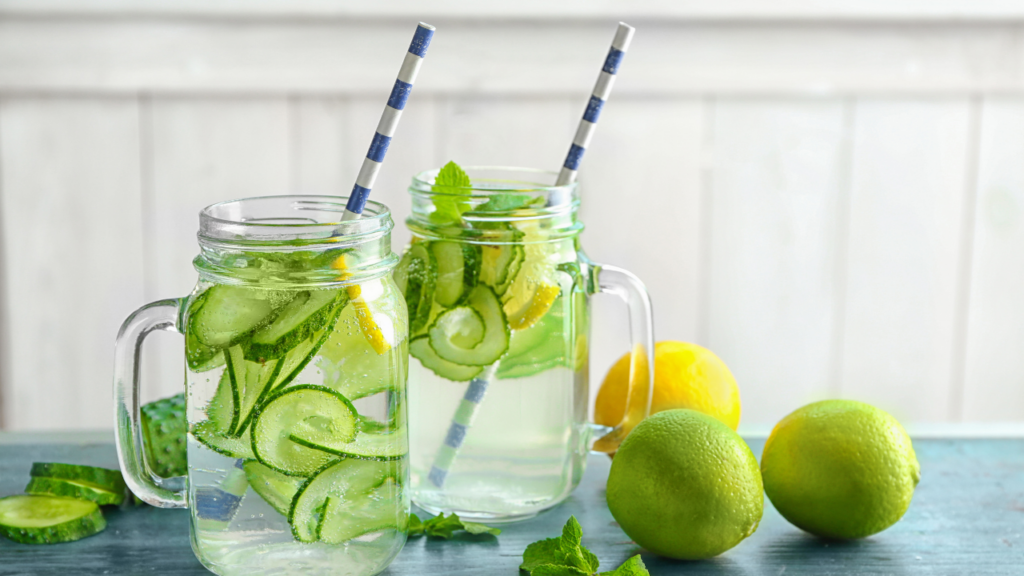
Lime, the ever-popular fruit renowned for its tangy flavor, has captured the hearts and taste buds of many. It is not just its high vitamin C content and zesty taste that makes lime stand out; did you know that the health benefits of drinking water with lime are simply astounding? Prepare to embark on a journey to discover the incredible advantages that lime-infused water can offer. Boosting your immune system is a top priority, and what better way to achieve that than with lime-infused water? Packed with vitamin C, lime serves as a powerhouse antioxidant, combating those pesky free radicals that contribute to aging and diseases. By incorporating lime-infused water into your routine, you are providing your immune system with the support it needs to ward off common ailments like colds and flu. Stay in the game with a fortified immune system! Hydration is key, but sometimes plain water can be a little lackluster. Fear not, for lime comes to the rescue! By adding a touch of lime to your water, you’re instantly elevating its flavor and encouraging yourself to drink more. Prepare to experience the wonders of proper hydration. Not only will your skin radiate with a healthy glow, but your body will also thank you as it efficiently eliminates toxins, leaving you feeling renewed and revitalized. Detoxification becomes a breeze with the natural detoxifying properties of lime. By indulging in water with lime, you can kick-start your body’s natural detox process. Lime has the remarkable ability to stimulate the liver, leading to increased bile production, aiding digestion, and facilitating the elimination of waste from your body. Embrace the cleansing power of lime and say goodbye to toxins – your body will thank you for it. Oh, and did we mention that lime’s natural antibacterial prowess can help combat infections and purify your digestive system? It’s like a breath of fresh air for your internal health! Are you ready to take your digestive health to new heights? Lime-infused water is here to lend a helping hand. Known as a natural digestive aid, lime’s acidity content can set your digestive juices into motion, ensuring smooth digestion and effortless nutrient absorption. The citric acid found in lime also contributes to breaking down food particles, supporting gut health, and making digestion a seamless process. Embrace the joy of a happy tummy, thanks to the wonders of lime! Don’t let inflammation dampen your spirits – lime is here to banish it away! With its anti-inflammatory properties, lime can effectively reduce inflammation within your body. While inflammation is your body’s defense mechanism, excessive inflammation can take a toll on your well-being. By raising a glass of lime-infused water, you’re creating an environment that promotes a healthy inflammatory response, leading to improved overall health and vitality. Prepare for a lime-infused revolution that will tantalize your taste buds and elevate your well-being to new heights. Lime-infused water is not just a mere beverage; it’s an exciting journey towards optimal health and a lifestyle filled with zest. Join us as we embark on this invigorating adventure and embrace the endless possibilities that lime has to offer. Get ready to savor the delicious benefits of water with lime – it’s time to make a splash!

The Benefits of Drinking Water with Lime Read More »

The Healing Power of Water on Mental Health

Water is an absolutely essential aspect of our survival, and we are all well aware of its importance. However, did you know that water also has the fantastic ability to positively impact our mental well-being? As human beings, we have a deep-rooted connection to the natural world, and water, in particular, stands out as one of nature’s most wonderfully soothing and calming elements. It’s truly no surprise that immersing ourselves in water, in any way possible, can work absolute wonders for our mental and emotional health. Let us embark on a fascinating journey, delving even deeper into the profound healing powers that water holds over our mental well-being. One of the most prevalent causes of mental health concerns, such as anxiety and depression, is stress. Remarkably, research has shown that being in close proximity to water can remarkably diminish stress levels. Think about it: the sound of gentle waves lapping against the shore, the visual spectacle of a sparkling stream meandering through lush greenery, the invigorating aroma of the salty ocean breeze – all these remarkable aspects of water can contribute to reducing stress and alleviating anxiety. Numerous individuals find solace and tranquility in the act of meditating near water, while others prefer to practice yoga and other mindfulness techniques in this enchanting, serene setting. Have you ever pondered how even a simple dip in a pool or a relaxing bath can instantaneously elevate your mood? Prepare to be amazed, for water therapy has been employed for countless centuries as a highly effective treatment for an array of mental illnesses, including depression, anxiety, and even post-traumatic stress disorder (PTSD). The sensation of buoyancy, weightlessness, and embrace of warmth that water offers can tend to be quite therapeutic for many individuals. It is said that water assists in the release of endorphins, the body’s natural mood enhancers, while also leveraging the hydrostatic pressure exerted by the water surrounding us to work absolute marvels on our mental and physical well-being. Additionally, water possesses an incredible ability to have a calming effect on our nervous system. The dulcet sound of water gently flowing from a fountain or meandering down a river can effectively stimulate our parasympathetic nervous system – the very part of our body responsible for soothing us, promoting feelings of calmness, and inducing a state of rest and relaxation. Being in close proximity to water can work wonders in reducing the symptoms associated with insomnia, a disruptive condition that can unquestionably impede one’s mental health. By enhancing sleep quality, water facilitates a more tranquil, revitalizing, and rejuvenating slumber, thus leaving us feeling replenished and invigorated. Moreover, water isn’t just beneficial for our mental well-being; it also offers a myriad of physical advantages. Engaging in activities such as swimming, kayaking, surfing, or simply strolling along the beach not only brings immense joy but also serves as phenomenal forms of exercise. Physical activity is absolutely critical for maintaining optimal physical and mental health, as it effectively triggers the release of endorphins, cultivates positive energy within us, and bolsters our self-esteem – all of which undeniably contribute to our overall well-being. So, dear readers, as we continue to explore the astounding world of water and its captivating impact on our mental health, let us take a moment to truly appreciate the immense power it holds. From its mesmerizing beauty to its therapeutic qualities and revitalizing attributes, water is an extraordinary force that we should embrace wholeheartedly. Let us remind ourselves to seek solace and tranquility in water whenever possible, allowing it to nourish our souls and uplift our spirits.

The Healing Power of Water on Mental Health Read More »

Protecting Wild Animals from Well Contamination

As a health and wellness enthusiast, you recognize the importance of drinking clean and safe water. Well water is a reliable source of water for many rural communities. However, have you ever stopped considering the impacts of well water usage on wild animals? Do they drink from your well? Is it safe for them to do so? This blog post will explore the potential dangers of well contamination for wild animals and how to protect them. Well water can be contaminated by chemicals, pesticides, fertilizers, and bacteria, making it unsafe for humans and wildlife. Many wild animals rely on wells as their primary water source during droughts or when the natural water sources dry up. The risks of well water contamination may negatively impact wildlife populations and increase the transmission of waterborne diseases. Well contamination from chemicals can lead to serious health problems for wildlife, such as chronic toxicity, birth defects, and reproductive failure. Pesticides and fertilizers used in agriculture can contaminate well water supplies, leading to pesticide poisoning of wildlife populations that may prey on contaminated food or drink from wells. Furthermore, bacteria like E. coli can lead to severe infections that may be life-threatening to animals. To protect wildlife, it’s crucial to ensure your well water is not contaminated. Firstly, ensure your well is adequately covered to prevent any animal from falling into it. Secondly, use chemical-free products around your property to minimize the risk of contamination. Thirdly, regularly test your well water to ensure it’s free of harmful substances that may pose health risks to animals. Conducting a yearly water test is essential to ensure that your well water is safe for humans and wildlife. If you find that your well water is contaminated, taking appropriate measures to remedy the situation is imperative. One solution is to install a water filtration system that effectively eliminates harmful contaminants from your well water. In addition, consider altering your land practices and minimizing your use of pesticides, fertilizers, and chemicals. In conclusion, wild animals need access to clean and safe drinking water. Contaminated well water can harm wildlife, leading to health problems, diseases, and death. As a responsible well owner, taking necessary measures to ensure your well water is free from contamination is vital. Cover your well, practice safe land use practices, conduct regular water tests, and install a filtration system if necessary. By doing so, you protect wildlife from the dangers of contaminated well water and ensure a safer environment for your family.

Protecting Wild Animals from Well Contamination Read More »

Understanding the Link Between Water Pollution and Acid Rain

Water pollution is a serious problem worldwide, and its effects can have far-reaching impacts beyond the immediate environment. One of the most significant consequences of water pollution is acid rain – a type of rainfall with a low pH level due to acidic pollutants in the atmosphere. Acid rain can cause damage to soil, forests, wildlife, and even human health. This blog post explores the link between water pollution and acid rain and how this affects our ecosystems and well-being. Water pollution and acid rain are strongly interrelated because of the various sources of pollution that contribute to both problems. Acid rain typically forms when sulfur dioxide (SO2) and nitrogen oxides (NOx) are released into the air from burning fossil fuels such as coal, oil, and gas. These pollutants mix with water vapor in the atmosphere and create sulfuric acid and nitric acid, which then fall to the ground as acid rain. On the other hand, water pollution can occur when harmful substances such as chemicals, metals, sewage, and other contaminants enter bodies of water from sources such as industries, agriculture, urban runoff, and waste disposal. These pollutants can also contribute to acid rain by interacting with the acidic compounds in the atmosphere. The effects of acid rain on the environment can be devastating. Acid rain can leach nutrients from the soil, making it difficult for plants to thrive and causing trees and other vegetation to die. Acid rain can also make lakes and rivers too acidic for fish and other aquatic life to survive, leading to significant declines in biodiversity. Moreover, acid rain can cause buildings, monuments, and infrastructure to deteriorate rapidly due to the corrosive effects of acidic compounds. Another significant impact of acid rain is on human health. Breathing in airborne pollutants can cause respiratory problems, and drinking water contaminated with acidic compounds can lead to various health issues such as stomach aches, skin irritation, and more severe illnesses. Additionally, acid rain can increase heavy metals such as lead in drinking water, leading to neurological problems such as developmental delays and cognitive impairments. In conclusion, water pollution is inextricably linked to the formation of acid rain, which has severe consequences for our ecosystems and health. To mitigate the damage caused by water pollution and acid rain, it is essential to implement policies and practices that reduce the release of air pollutants from human activities such as transportation, energy production, and industrial processes. We can also take steps to reduce water pollution by being mindful of our actions and reducing waste, conserving water, and supporting environmentally responsible practices. By working together, we can protect our planet from water pollution and acid rain impacts and build a healthier, more sustainable future for ourselves and future generations.

Understanding the Link Between Water Pollution and Acid Rain Read More »

Scroll to Top