Are water purification tablets effective?
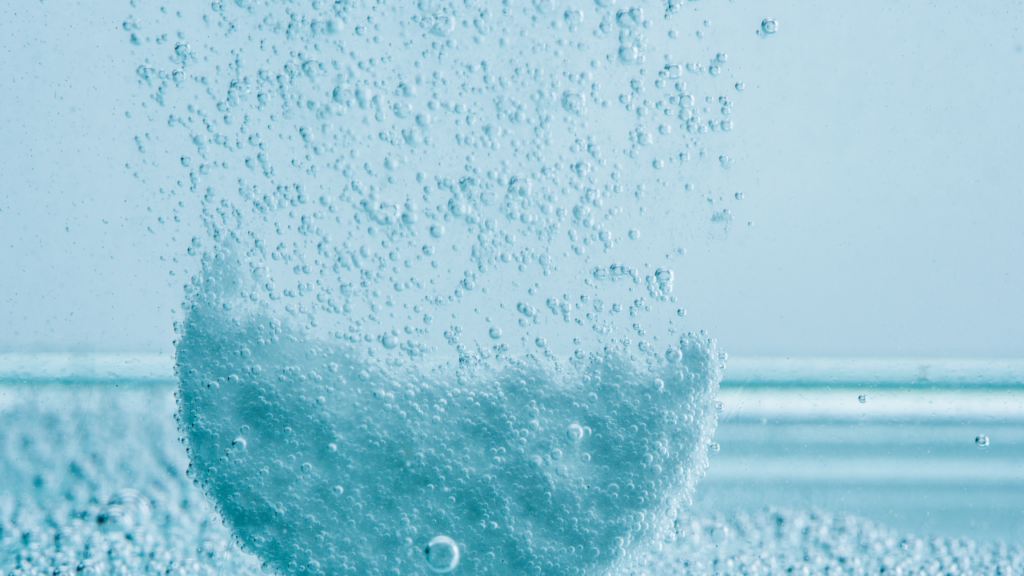
Clean water is essential for human survival. We all know that our body is made up of 60% water, so we need to consume enough water every day to stay hydrated. But what about the quality of the water we consume? Our water might contain harmful bacteria, viruses, or other impurities that can cause serious health problems. This is where water purification tablets come in handy. But the question is, are these tablets effective? In this blog post, we will delve deeper into this topic and determine if water purification tablets are worth the investment. Firstly, it is essential to understand what water purification tablets are. Also called water treatment tablets, they are small, portable tablets that effectively eliminate harmful bacteria and viruses from water. When these tablets are added to water, they dissolve, creating a chemical reaction that kills harmful bacteria and viruses. Hikers, campers, and travelers commonly use water purification tablets, as they offer a convenient and cost-effective solution for treating drinking water in areas where potable water is not readily available. Secondly, it is essential to assess the effectiveness of water purification tablets. When used correctly, these tablets can kill harmful bacteria and viruses in drinking water. However, it is essential to note that not all water purification tablets are created equal, and their effectiveness varies based on the type of tablet and the quality of the water being treated. It is, therefore, advisable to choose a reputable brand and carefully follow the manufacturer’s instructions. Thirdly, it is essential to note that water purification tablets may not effectively remove specific contaminants from water, such as heavy metals, pesticides, or chemicals. These contaminants require specific treatment methods not provided by water purification tablets. Therefore, it is essential to assess the quality of the water being treated to determine if water purification tablets are the most appropriate treatment method. Fourthly, it is worth noting that water purification tablets can have some drawbacks. Firstly, they can give water an unpleasant taste and odor, depending on the type of tablet used. Secondly, water purification tablets may not work effectively in cold water or water that is heavily contaminated. In such cases, other water treatment methods, such as filtration or boiling, may be necessary. Lastly, it is important to consider the cost-effectiveness of water purification tablets. Compared to other water treatment methods, water purification tablets are relatively inexpensive and can be a cost-effective solution for treating drinking water. Moreover, these tablets are portable, lightweight, and easy to use, making them an ideal option for hikers and travelers. In conclusion, water purification tablets can be effective in treating drinking water. Still, their effectiveness depends on various factors such as the type of tablet used, the quality of the water, and proper usage. While water purification tablets offer a convenient and cost-effective solution for treating drinking water, they may not be the most appropriate treatment method for water contamination from heavy metals, pesticides, or chemicals. Therefore, it is important to assess the quality of the water being treated and choose the most appropriate water treatment method. Always follow the manufacturer’s instructions for safe and effective use of water purification tablets.
Are water purification tablets effective? Read More »