Aquafeel Maryland

Aquafeel Maryland

Exploring the Relationship between Water Quality and Fish Population

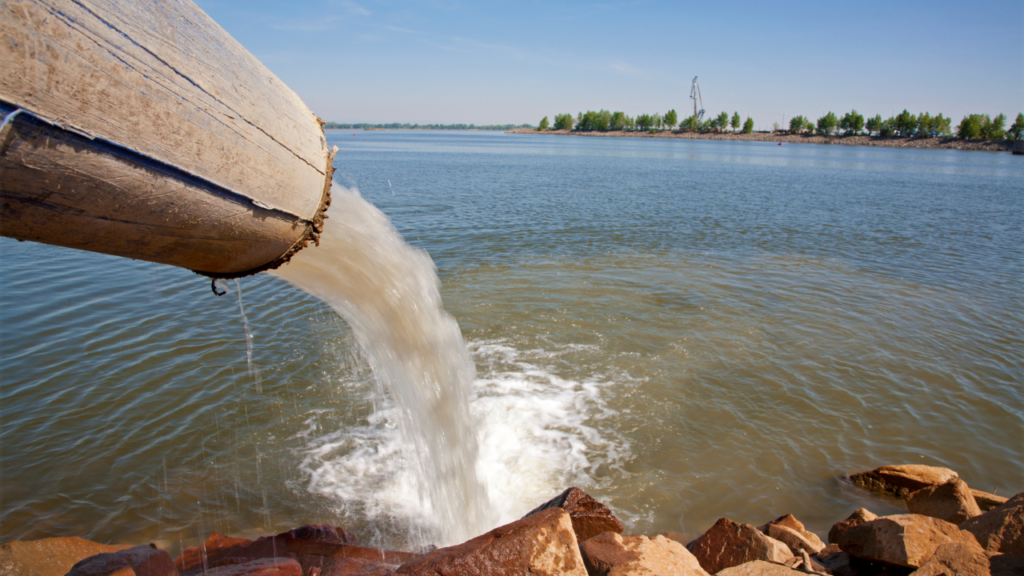
Maintaining the delicate balance of marine ecosystems is becoming more important as we continue to realize the negative impact that pollution and climate change can have on aquatic life. In this article, we will explore the relationship between water quality and fish population. We will look at how pollutants affect fish populations, the importance of water quality management, and how we can work towards achieving a healthier ecosystem. Pollution is one of the primary reasons that fish populations can suffer. Harmful chemicals and other contaminants can reduce both the quality of water and the amount of oxygen it contains. This can lead to health problems for fish, making them more susceptible to disease and reducing their reproduction ability. For example, if a certain pollutant, such as sewage or fertilizer run-off, ends up in the water, it can encourage algae growth. These excessive algae can use up most of the oxygen in the water, depleting the resource that fish need to survive. Water quality management is crucial to maintaining a healthy marine ecosystem. It is essential to properly dispose of waste and prevent pollutants from entering the water system through proper waste management systems. This includes proper disposal of hazardous chemicals and limiting improper run-offs through construction and agricultural practices. We need to develop a strategy that effectively encourages both government and individuals to make more serious efforts in preventing pollution. It is not only the fish population that is affected by water quality but also the human population utilizing these water systems. The quality of the water affects the kinds of fish that thrive, ultimately affecting the supply chain of the fishing industry. This then negatively influences the food supply for communities that depend on it. To address the deteriorating effects of pollution, there needs to be increased pressure on the government to put allocate funds to more water system infrastructures and promote the use of solutions like water filtration. With appropriate interventions, improving water quality can lead to recovery in the fish population that had previously suffered from pollution. The ultimate aim is to create an ecologically balanced environment, which entails achieving long-term sustainability. Management strategies must be put in place so that the effects are long-lasting and impactful. This includes managing waste reduction policies properly and managing those policies over time, which can reinforce proper waste management standards in the long run. There should be more public awareness of the importance of water quality and its effects on marine ecosystems. Pollution can result in detrimental effects that impact both the fish population and humans. To ensure sustainability, it is essential to maintain a balanced marine ecosystem. The development of efficient waste management policies and proper water filtration is needed to maintain water cleanliness. Everyone must work to reduce waste pollution to promote a better environment for both fish and humans to avoid repercussions that ultimately come from our environment’s degradation.

Exploring the Relationship between Water Quality and Fish Population Read More »

What You Need to Know About Acid Rain

Acid rain has become a major concern in recent years due to its destructive effects on the environment, but what many don’t realize is that water pollution can play a significant role in causing acid rain. In this blog post, we’ll discuss how water pollution contributes to acid rain and what can be done to reduce its harmful effects. What is Acid Rain? Acid rain is the result of pollutants such as sulfur dioxide and nitrogen oxides combining with water droplets in the atmosphere. When these pollutants mix with oxygen, they form acids—hence the name “acid rain”. These acids fall from the sky in the form of either wet precipitation (rain, snow, or hail) or dry particles (dust).  The pH level of acid rain typically ranges from 4.2 to 4.4, which is much lower than normal rainfall (which typically has a pH of 5.6).  This low pH level causes damage to plants, animals, structures, and ecosystems when it comes into contact with them. How Does Water Pollution Contribute To Acid Rain? Water pollution plays an important role in causing acid rain because it releases harmful chemicals into the atmosphere which then mix with oxygen and form acids. Sources of water pollution include industrial effluents, agricultural runoff, sewage discharge, oil spills, and urban stormwater runoff (which can contain heavy metals such as lead and zinc). All of these pollutants are released into rivers or lakes where they eventually make their way into our air supply—and that’s when things get dangerous. Once these pollutants reach our atmosphere they become part of clouds or fog which eventually turn into acid rain when it rains or snows. It’s also worth noting that some countries are more prone to acid rain than others due to their heavy reliance on coal-fired power plants for energy production; China is one such example. What Can Be Done To Reduce Acid Rain? The good news is that there are steps we can take both at an individual and collective level to help reduce the amount of acid rain being produced each year. At an individual level, you can limit your use of energy-intensive products like cars and planes as well as reducing your consumption of goods manufactured using fossil fuels such as plastics or synthetic materials. We can also work together collectively by supporting renewable energy sources such as wind power or solar energy instead of relying on coal-fired plants for electricity production – this will help reduce emissions significantly over time! Additionally, governments can implement stricter regulations on industries that produce large amounts of emissions such as factories or power plants – this will help reduce the amount of pollutants entering our air supply and thus diminish the chances for acid rain formation in our environment. Acid rain has become a major environmental issue due to its destructive effects on ecosystems around the world – but what many don’t realize is that water pollution plays a significant role in causing this phenomenon! By understanding how water pollution contributes to acid rain and taking steps at both an individual and collective level – including limiting energy-intensive products like cars/planes and investing more heavily in renewable energy sources – we can help reduce its harmful effects significantly over time! For health and wellness enthusiasts everywhere who want to do their part for a cleaner environment – this blog post serves as a reminder that small changes today can have far-reaching implications tomorrow!

What You Need to Know About Acid Rain Read More »

The Worst Locations for Water Contamination Around the World

Access to clean drinking water is a human right, yet throughout the world, water contamination continues to be a major problem. From industrial waste runoff to agricultural pollutants and more, water contamination poses a serious risk to public health and the environment. So, where is water contamination the worst? Let’s take a look at some of the areas around the world that are struggling with severe levels of water pollution. China Pollution in China has been an ongoing issue for decades. In fact, there are over 700 cities in China that have dangerous levels of air pollution—and it’s not just air pollution that’s an issue in this part of the world. Much of China’s drinking water is severely contaminated due to industrial waste runoff from factories, as well as agricultural pollutants such as fertilizers and pesticides. This means that many people living in rural parts of China are unable to access safe drinking water without boiling it first or utilizing special filtration systems. India In India, roughly 60% of all surface waters are polluted—this includes rivers, lakes, and streams. Industrial waste runoff from factories is a major contributor here as well; however, untreated sewage is also a major factor when it comes to India’s unsafe drinking water supply. As population growth continues to soar in India—it’s estimated that by 2050 India will become the most populous country on Earth—water contamination only stands to get worse unless efforts are made to address these issues head-on. United States The United States struggles with its own share of water contamination issues, too; one recent study found that nearly 20 percent of all waterways in America were unsafe due to high levels of bacteria or other contaminants such as lead or nitrates. This means that many people living near these waterways could be exposed to health risks if they come into contact with contaminated waters or consume seafood caught within them. In addition, fertilizer runoff from agricultural areas can cause algal blooms, which can further contaminate local waters and make them unsafe for recreation or consumption purposes. Water contamination remains a serious global issue with far-reaching consequences on public health and ecosystems alike; however, by understanding where these issues are at their worst—such as in China, India, and parts of the United States—we can begin working towards solutions that ensure everyone has access to safe drinking water no matter where they live. Education about proper wastewater treatment methods and investments into better infrastructure may help reduce instances of severe water contamination around the globe, so everyone can enjoy healthier lives for years to come.

The Worst Locations for Water Contamination Around the World Read More »

How Much Water is in Your Body?

We are made up of around 60-70% water, depending on body fat percentage. But did you know that every organ and tissue in our bodies contains a different percentage of water? This article will explore the amount of water found within each organ and discuss why it is important for us to stay hydrated. Our brains and hearts are composed of 73% water, making them the organs with the highest concentration of water. The brain needs plenty of water to function properly as it serves many important functions such as controlling motor skills and regulating emotions. The heart requires a lot of fluids for proper functioning too as it pumps blood throughout the body which carries oxygen and other essential nutrients to cells. The high water content helps keep our brains and hearts healthy by supporting their functions. Lungs contain around 83% water, due to their role in creating moisture while we breathe out carbon dioxide. Moisture is essential for our lungs because it helps lubricate airways which makes breathing easier. When we are dehydrated, our lungs can become dry which can lead to coughing or difficulty breathing. Muscles contain 75% water, making them one of the most hydrated parts of the body. Muscles require a lot of fluid to keep them flexible, strong, and healthy. Not drinking enough fluids can cause muscle cramps or fatigue during exercise, so it’s important to stay hydrated if you’re doing any kind of physical activity! Skin is composed of 64% water which helps maintain its elasticity and youthful appearance. When skin does not have enough moisture it can become dry, flaky or even cracked which can be uncomfortable. Drinking enough fluids helps keep your skin looking healthy by providing it with moisture it needs to function properly. Keeping your organs hydrated is essential for good health! Each organ has different amounts of water but all need some form of hydration in order to work properly. Make sure you drink plenty of fluids throughout the day to ensure that your organs remain healthy!

How Much Water is in Your Body? Read More »

The Difference Between Pure Water and Mineral Water

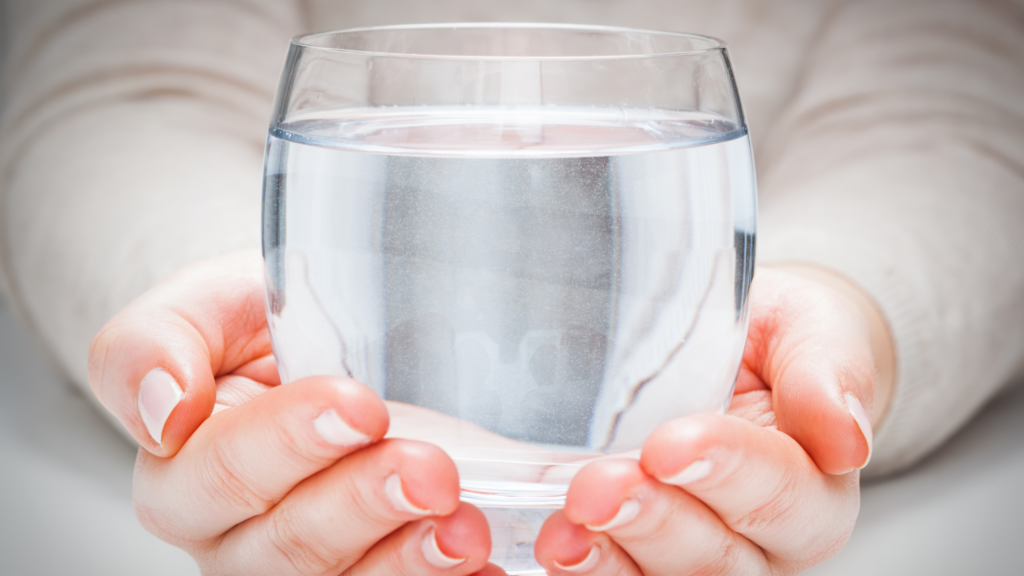
In the health and wellness world, there are a lot of terms that get thrown around without much explanation. One such term is “mineral water.” What exactly is it? How does it differ from plain old drinking water or tap water? Let’s take a look at the key differences between pure water and mineral water so you can make an informed decision about what kind of hydration is best for your body. Pure water, also known as drinking water or tap water, is water that has been purified of all contaminants and bacteria to make it safe for human consumption. It often contains trace amounts of minerals from its source but these tend to be far lower than those found in mineral water. Mineral water, on the other hand, is sourced from natural springs or wells where underground rocks are able to filter out certain minerals and elements like calcium, magnesium, sodium, potassium, iron and zinc—all of which are essential for healthy body functioning. These minerals give mineral waters their distinct flavor profile as well as some purported health benefits such as improved digestion and better skin health. While both pure and mineral waters offer numerous benefits to our bodies (such as providing us with hydration!), there are some key differences between them worth considering before deciding which one to drink regularly. For example: • Pure water has fewer calories than mineral water, making it an ideal choice for those watching their weight or who don’t need any additional dietary minerals in their diet.  • Mineral waters have higher levels of essential minerals like calcium and magnesium; these are important for bone health and muscle function respectively.  • Pure waters may be easier on sensitive stomachs than mineral waters since they have fewer flavourings or additives which can upset people with sensitive digestive systems.   • Some people prefer the taste of mineral waters since they have more natural flavourings; this makes them a great choice when you want something more satisfying than plain old drinking water. • Mineral waters can help replenish electrolytes lost through exercise; this makes them perfect for athletes who need to refuel after a workout session!  • Lastly, if you’re trying to save money then pure waters will likely be cheaper since they don’t contain added minerals which incur additional costs during production processes. When it comes down to choosing between pure and mineral waters, the decision ultimately boils down to personal preference—although there may be certain factors that influence your choice depending on your individual needs (e.g., if you have a sensitive stomach or are looking for an electrolyte boost after exercising). Regardless of whether you choose pure or mineral waters however; just remember that both types offer numerous benefits so you really can’t go wrong!

The Difference Between Pure Water and Mineral Water Read More »

Understanding the Benefits of Pure Water and Skin Health

Have you ever wondered why pure water is so important when it comes to skin care? There are many benefits to using pure water on your skin, from softer and smoother skin to improved complexion. In this blog post, we will take a look at how pure water can make a difference in your skincare routine. What is Pure Water? Pure water is a term used for water that has been completely purified of any contaminants or minerals. It does not contain any dissolved solids, such as salts or bacteria, which can be found in tap water. Purified water is also filtered through reverse osmosis systems or distillation processes to remove impurities and make sure it’s clean and safe to use. Benefits of Using Pure Water on Your Skin Using pure water on your skin has several benefits. The most noticeable one is that it makes your skin feel softer and smoother due to the lack of impurities in the water. Since impurities like salt can dry out your skin, using purer (and softer) water helps retain moisture better which helps prevent dryness and irritation. Additionally, since there are no chemicals present in purer sources of water, it prevents breakouts and other skin issues caused by chlorine and other chemicals typically found in tap water. It also helps improve complexion because, as mentioned before, there are no harsh chemicals present which cause redness or inflammation on the skin’s surface. This means that purer sources of water are gentler on sensitive skin types, making them ideal for those who suffer from eczema or rosacea. Finally, using purer sources of water can help minimize pores and give you a more even-toned texture due to its ability to retain moisture better than tap water can—resulting in fewer blemishes over time! As you can see, using purer sources of water can offer many benefits when it comes to skincare routines. It helps keep your skin hydrated while minimizing pores and helping with overall complexion issues such as acne or redness caused by harsh chemicals found in tap water. Additionally, it’s gentler on sensitive skin types making it ideal for those with eczema or rosacea problems. So if you’re looking for a way to upgrade your skincare routine without breaking the bank – consider investing in an RO system or distiller today! You won’t regret it!

Understanding the Benefits of Pure Water and Skin Health Read More »

Is Pure Water Naturally Found in Nature?

When it comes to drinking water, many people think of the term “pure water”. This is because pure water has been touted as the healthiest option for hydration. But what exactly is pure water, and can it be found in nature? Let’s explore this topic and find out! What Is Pure Water? Pure water is defined as having a neutral pH level, no contaminants or pollutants, and no minerals like calcium or magnesium. It is often referred to as distilled water or deionized water. Pure water can be made by using a distillation process that involves boiling liquid and collecting the steam before it condenses back into its liquid form. The process of distillation removes dissolved solids from the original liquid, leaving only pure H2O molecules behind. Is Natural Pure Water Found in Nature? No, natural pure water is not found in nature due to natural processes like evaporation, precipitation and surface runoff that add contaminants and minerals to fresh water sources such as rivers and lakes. Even underground sources of fresh water are contaminated with minerals from rocks they flow through on their way to aquifers. That being said, there are some surface waters that come close to being considered “pure”- such as certain glacial meltwater streams – but these waters usually still contain small amounts of mineral content that prevent them from being classified as “pure” under scientific definitions. Can We Make Pure Water at Home? Yes! You can make your own pure drinking water at home by investing in a reverse osmosis filter system or a distillation system for your kitchen sink or countertop. Both systems will effectively remove contaminants and pollutants from your tap water so you can enjoy clean, healthy drinking water without having to buy expensive bottled products at the store every week. In conclusion, while it may seem like finding naturally occurring pure drinking water would be easy given our planet’s abundance of fresh sources – it’s actually quite difficult due to how quickly contaminants and minerals get added back into those sources via natural processes like evaporation and precipitation. However, you don’t have to worry about not getting enough clean drinking – you can invest in a reverse osmosis filter system or distillation machine for your home so you can enjoy pure drinking right away!

Is Pure Water Naturally Found in Nature? Read More »

Can you drink natural water when hiking?

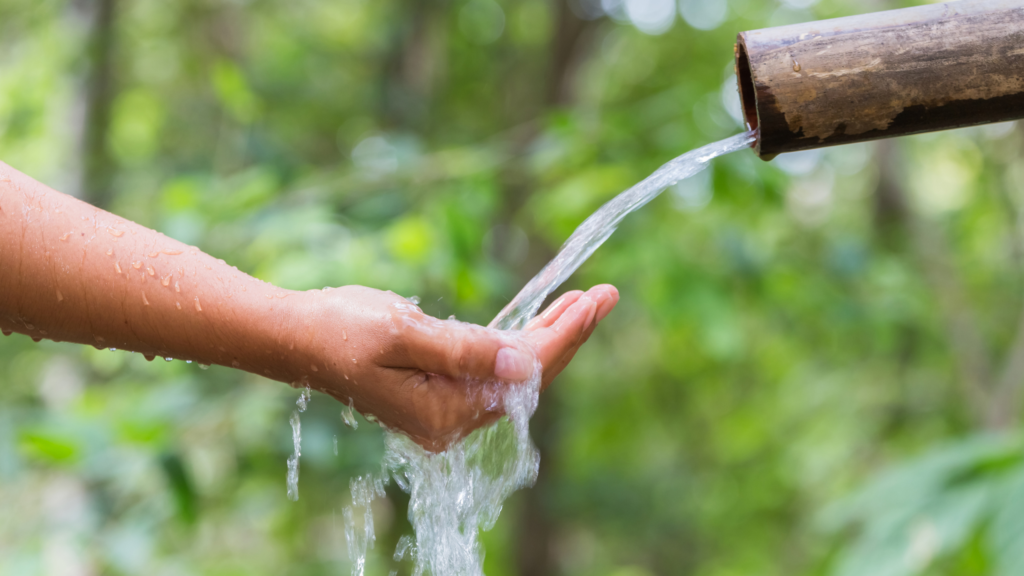
Are you going hiking soon? You should prepare for your hydration needs in the best way possible.  “Potable water” is clean water that’s safe to drink, brush your teeth with, wash your hands with, and use for preparing food. It is important to note the water quality in the parks or areas where you will be hiking. You can often find this information on local park websites.  Never drink water from a natural source that you haven’t purified, even if the water looks clean. Water in streams, rivers, and lakes may look clean, but it can still be filled with bacteria, viruses, and parasites. If you’re going to use natural water along your adventure, follow these steps to collect and purify water from a natural water source: 1) Collect water from your source. 2) Filter the water by using an NSF-Certified filter. 3) Disinfect the water by boiling or using chemicals. Remember to stay hydrated and to plan by drinking before you get thirsty. Do you want to learn more about water safety? Follow our Instagram @aquafeelmaryland

Can you drink natural water when hiking? Read More »

So, what exactly is pH?

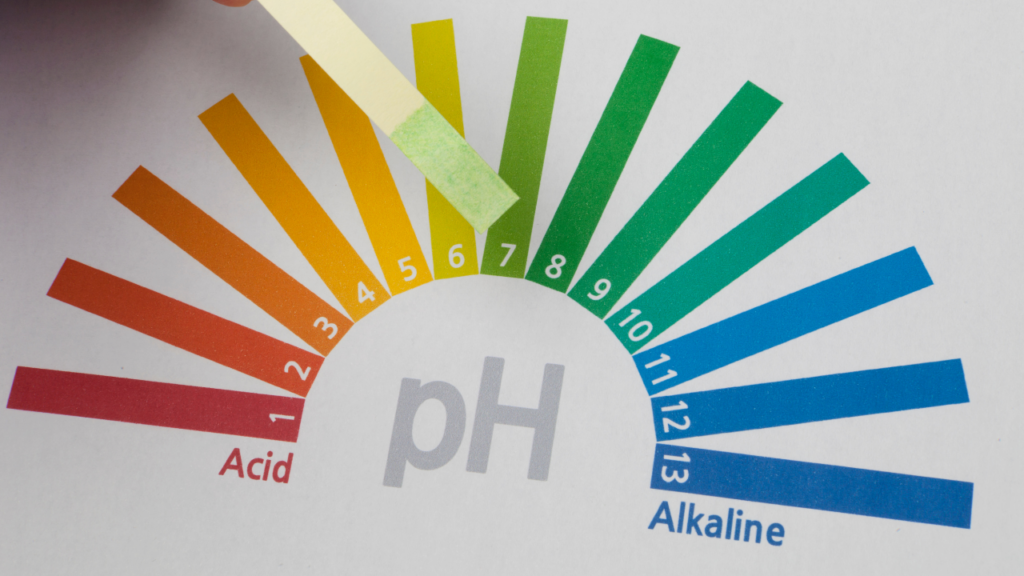
pH is a measure of how acidic or basic water is. The range goes from 0-14, with 7 being neutral. pH’s of less than 7 indicate acidity, whereas a pH of greater than 7 indicates a base. The scale was developed by Danish chemist Soren Peder Lauritz Sorensen in 1909. He chose to use the negative logarithm of hydrogen ion concentration (H+) as his index because it was more easily measured by chemists at the time. Today, we use an electrical method called ion-selective electrode (ISE) to measure H+. The ISE works by passing an electric current through an electrolyte solution in contact with two electrodes: one made of silver chloride and the other gold chloride. The flow of current produces a voltage difference between the electrodes that causes ions to move from one electrode to another through the solution. This movement creates an electric current that can be measured by an ammeter. The US Geological Survey analyzes hundreds of thousands of water samples each year. The level of pH in your drinking water is important because it affects how corrosive it can be on plumbing fixtures and appliances such as dishwashers and washing machines. Drinking water that is too acidic or too alkaline can cause health problems for people who are sensitive to changes in their body’s pH levels. Don’t wait to have additional protection within your home. Reach out now to get your water tested for free today.

So, what exactly is pH? Read More »

When Swimming In Natural Water

When you swim in natural bodies of water, like oceans, lakes, and rivers, it is important to know that these bodies of water can contain and spread germs. Water contaminated with these germs can make you sick if swallowed. It can also cause an infection if contaminated water gets into an open wound. It’s important to remember that not all germs are visible to the naked eye. Even if you don’t see any signs of contamination in the water, there may be bacteria present that could make you sick. When you swim in natural bodies of water, take a few simple steps to stay healthy, safe and enjoy yourself. Check online or call your local health department to see if there are any water advisories in place for the body of water where you’ll be swimming. A water advisory is an official warning that the water may not be safe to swim in because of possible contamination from bacteria, viruses or pollution. The advisory will include information on how long it’s expected to last and what symptoms to look out for if you get sick after swimming. If you have any questions, call your local health department before heading out. Stay Out of the Water If: If You Swim Anyway… There’s no saying that you can’t enjoy the outdoors, however, you must remain safe while you’re at it!

When Swimming In Natural Water Read More »

Scroll to Top