Aquafeel Maryland

Info

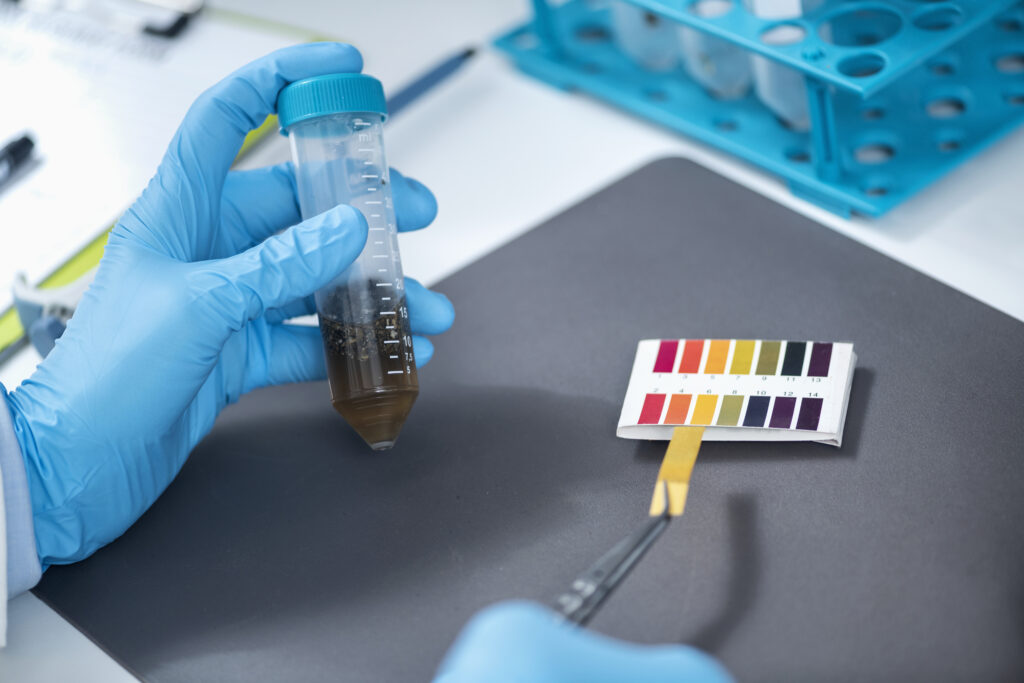
Why it is important to check your well water?

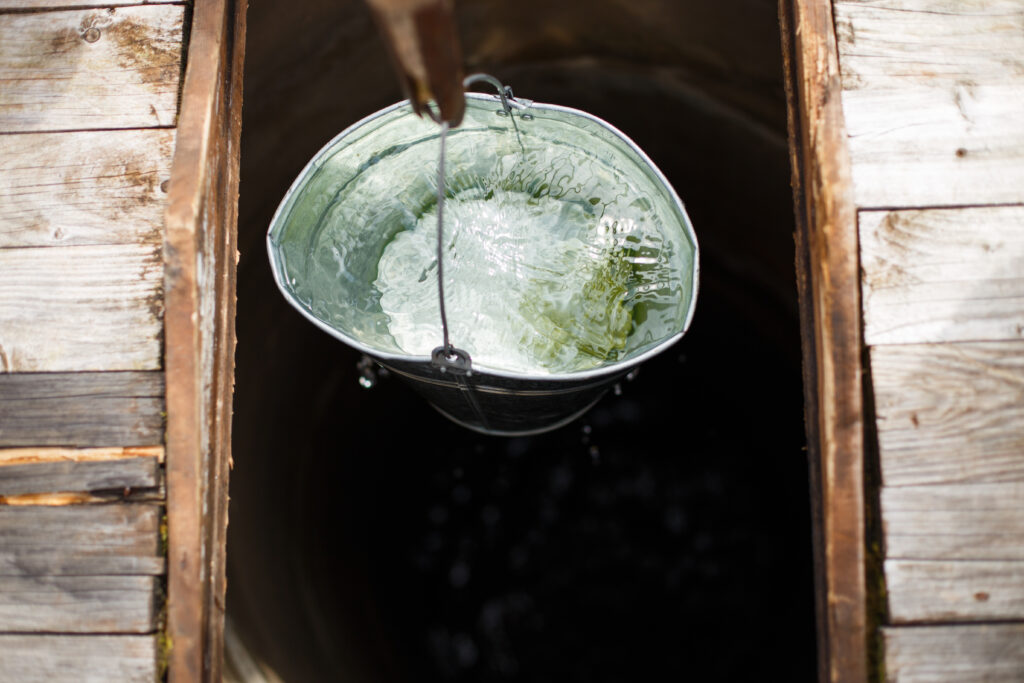
If you have a well at home, it is essential to check your well water quality. The National Ground Water Association recommends that well owners test their water at least annually for bacteria, nitrates, and any contaminants of local concern. You should test your water more frequently if: There is a change in the taste, odor, or appearance of the well water. There is a broken well cap or a new contamination source.  The septic system has recently malfunctioned. Check with your local health or environmental health department for recommendations regarding the type and frequency of testing specific to your location. Total coliform is the most used indicator of bacterial contamination.  The presence of coliform bacteria is an indicator of a well’s possible contamination from human or animal wastes.  The presence of coliform bacteria in well water is a sign of worsening water quality. Familiar sources of nitrate to well water are fertilizers, septic systems, animal manure, and leaking sewer lines.  High levels of nitrate in well water present a health concern and can also indicate the presence of other contaminants, such as bacteria and pesticides. Typical additional tests are those for pH, hardness, iron, manganese, sulfides, and other water constituents that may cause problems with plumbing, staining, appearance, and odor.  If any water test results indicate a health risk, check with a water treatment service provider about treatment. Luckily for you, Aquafeel Maryland is here to help provide you with a FREE water test and solutions. Reach out today to get started.

Why it is important to check your well water? Read More »

What is Alkaline Water?

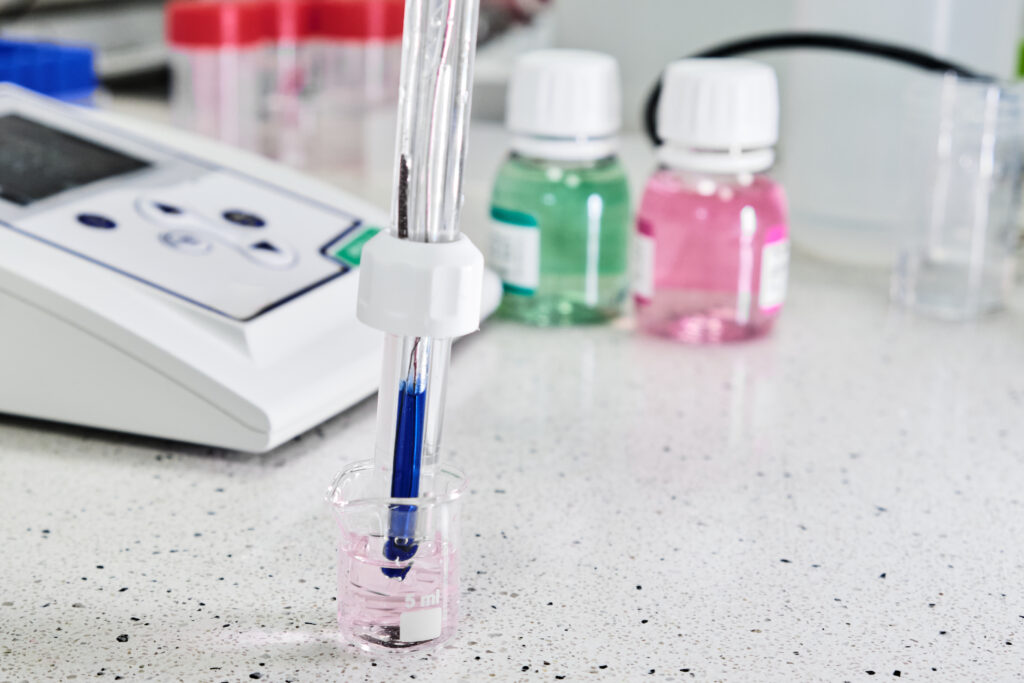
The “alkaline” in alkaline water refers to its pH level. PH level is a number that measures how acidic or alkaline a substance is on a scale of 0-14. Alkaline water has a greater pH level than regular drinking water. It must also contain alkaline minerals and negative oxidation-reduction potential, or ORP. ORP is the ability of water to act as a pro- or antioxidant. The more negative the ORP value, the more anti-oxidizing it is. Alkaline water is somewhat controversial, but some studies have revealed benefits. A 2012 study showed that drinking naturally carbonated alkaline water with a pH of 8.8 may help deactivate pepsin, the primary enzyme that causes acid reflux. Although alkaline water is considered safe, too much can have adverse side effects. An overall excess of alkalinity in the body may cause gastrointestinal issues and skin irritations. There is a difference between natural and artificial alkaline water. Naturally, alkaline water occurs when water passes over rocks and picks up minerals, which increase its alkaline level. Many people who drink alkaline water buy the kind of alkaline water that goes through a chemical process called electrolysis. Electrolysis uses a product called an ionizer to raise the pH of regular water. This means electricity is used to separate molecules in the water that are more acidic or more alkaline. The acidic water is then funneled out.  Alkaline water can be bought in many groceries or health food stores. You can also find it online. If you want it at home, you can either find a water ionizer or add baking soda or pH drops to your water.  There isn’t enough scientific evidence to support alkaline water for any health condition. Drinking natural alkaline water is considered safe since it contains natural minerals. Avoid drinking artificially alkaline water, which has more bad minerals than good. Suppose water is adequately filtered to remove contaminants, ionized, demineralized, or purchased from a quality source. In that case, there’s no evidence to suggest a limitation on how much alkaline water is to be consumed daily. If this sounds like something you are interested in, contact us today for your solution. 

What is Alkaline Water? Read More »

Scroll to Top