Aquafeel Maryland

Uncategorized

How to Know if You Need a Water Test in Maryland: Aquafeel Maryland’s Guide for Homeowners

As a homeowner in Maryland, it’s important to be aware of the quality of water in your home. The water you drink, cook, and clean should be safe and clean. But how do you know if your water is safe to use? The best way to find out is to have your water tested. In this blog post, we will discuss how to know if you need a water test in Maryland and provide you with Aquafeel Maryland’s guide for homeowners on what to do if you suspect that your water is contaminated. Has there been a change in the taste, odor, or color of your water? If your water has an unusual taste, odor, or color, it could be a sign of contamination. For instance, a rotten egg smell could indicate the presence of hydrogen sulfide gas, while a metallic taste could suggest high levels of copper or lead in the water. Discoloration could be due to rust, specifically if it’s coming from the hot water spigot. If you detect any of these changes, it’s important to have your water tested. Are you experiencing health problems? If you or a family member are experiencing health problems such as gastrointestinal issues, skin irritation, or respiratory problems after using water, your water could be contaminated. Some common bacteria like coliform or E.coli can cause illness due to water contamination. While other factors may cause these health problems, it’s still best to conduct a water test to eliminate any potential causes related to your home’s water. Are there any new development or construction projects near your home? If there are any new developments or construction projects near your home, increased usage or leaks can affect the water supply. In some cases, construction activities can cause soil and sediment to be released into the water supply, causing contamination. This makes it crucial to have your water tested regularly to ensure it meets health and safety standards. Are you using well water? If you are using well water, it’s essential to have your water tested regularly since it differs from treated public water. Maryland authorities recommend testing private well water once a year. The test should check for total coliform bacteria, E. coli, nitrate, total dissolved solids, pH (acidity), iron, and manganese. Additionally, if you notice any of the factors mentioned above, such as changes in taste or odor, it’s essential to conduct a water test immediately. Did you recently move into your home? If you recently moved into your home, it’s essential to have your water tested to ensure the previous homeowners did not leave any contamination behind. The Maryland Department of the Environment recommends testing for lead and copper in homes built before 1986 and for arsenic in homes where arsenic is prevalent. Water testing is an essential process for homeowners in Maryland. Knowing when to test your water can prevent potential health problems and ensure that your water supply is safe and clean. Some signs that indicate a water test is needed include changes in your water’s taste, odor, or color, experiencing health problems, new development projects near your home, using well water regularly, and recently moving into the home. If you suspect that your water is contaminated, don’t hesitate to contact Aquafeel Maryland to get your water tested immediately and get peace of mind knowing your family is safe.

How to Know if You Need a Water Test in Maryland: Aquafeel Maryland’s Guide for Homeowners Read More »

The Benefits of Regular Water Testing in Maryland – Getting the Most Out of Aquafeel Maryland’s Services

Maintaining a healthy lifestyle starts with ensuring the water you drink and use at home is clean and safe. With Maryland’s aging infrastructure, outdated pipes, and potential runoff pollution, it’s important to know whether your water is free of harmful contaminants. One of the best ways to do that is with regular water testing. In this blog post, we’ll discuss the benefits of why you should have your water tested regularly, and how Aquafeel Maryland can help you optimize your water quality. Identify harmful contaminants in your drinking water From bacteria to toxic chemicals, several contaminants can seep into your water supply, putting your health at risk. Some of the most common contaminants in tap water include lead, arsenic, pesticides, and bacteria. Regular testing can identify the presence of these contaminants, giving you peace of mind that you and your family are consuming safe water. Ensure the safety of your home’s plumbing system Water testing can identify potential issues with your house’s plumbing systems, such as corroded pipes that may leach harmful materials into your water. Finding and fixing these issues early can prevent bigger problems and avoid costly repairs. Improve the overall quality of your water You may not realize it, but even if your water is completely safe, it’s still possible for it to contain too much chlorine or other chemicals that make it taste or smell unpleasant. Water testing can help identify any issues with the quality of your water and provide guidance on how to improve it. This small step can make a big difference in the enjoyment of your tap water and can even positively impact your skin and hair. Comply with local government regulations In Maryland, the Safe Drinking Water Act requires public water suppliers to provide consumers with a consumer confidence report. However, private well owners are responsible for making sure their own water is safe to drink. Regular water testing is important to meeting these standards and staying in compliance with state and federal regulations. Utilize Aquafeel Maryland’s services to ensure quality water Aquafeel Maryland is trusted for its water treatment services in the area that prioritize quality, affordability, and meticulous attention to detail. They offer a variety of water testing packages that can help you take the guesswork out of your water quality. They’ll work with you to identify any specific concerns and provide customized treatment recommendations to address them. Water testing is important in ensuring a healthy and safe environment for you and your family. Regular water testing offers a wide range of benefits by identifying harmful toxins and contaminants, ensuring plumbing issues are addressed, enhancing the quality of your water, and staying in compliance with government regulations. Moreover, working with a trusted provider like Aquafeel Maryland takes the stress and uncertainty out of the process. By making a small investment in water testing now, you reap long-term benefits for your health and those around you.

The Benefits of Regular Water Testing in Maryland – Getting the Most Out of Aquafeel Maryland’s Services Read More »

Learn How to Protect Your Home with Aquafeel Maryland’s Water Testing Services

As a health and wellness enthusiast, one of the things that should be a top priority is having clean and safe water. Unfortunately, many people are unaware of their water supply’s dangers to their health. Water contamination can lead to various health problems, including cholera, typhoid, and other waterborne illnesses. Therefore, having your water tested regularly is crucial to ensure that your family is protected from such risks. This blog post concerns protecting your home with Aquafeel Maryland’s water testing services. Reasons Why You Need to Test Your Water Water is a vital necessity for human survival, but it can also be a source of harmful contaminants that pose a risk to your health. Traditional water treatment and filtration systems do not always remove all impurities, exposing your family to potentially dangerous substances. Testing your water will help identify possible contaminants and alert you to the need for safe and effective water treatment systems. What Aquafeel Maryland’s Water Testing Service Offers Aquafeel Maryland’s water testing services provide an in-depth and accurate analysis of your water quality. They use state-of-the-art testing equipment to detect the presence of contaminants such as bacteria, viruses, lead, and other harmful substances that are not noticeable to the naked eye. They present the result of their test in a clear and comprehensive format, detailing the results and identifying any health hazards detected. Benefits of Aquafeel Maryland’s Water Testing Service The water testing service provided by Aquafeel Maryland is an excellent investment for your home’s overall health and well-being. It can help you identify potential problems early, making it easier and cheaper to fix them. A regular water testing schedule can ensure that your filtration and treatment systems are working correctly, reducing the risk of illness caused by contaminated water. The water test results also help you choose the right water filtration and treatment system for your specific needs. How to Schedule a Water Test Scheduling a water test with Aquafeel Maryland is fast, easy, and affordable. You can use their website to book an appointment, and they will come to your home at a convenient time for you. They will take a sample of your water supply and analyze it with their state-of-the-art equipment. Once they have thoroughly analyzed your water quality, they will present you with a comprehensive report. Aquafeel Maryland’s Filter and Treatment Options Aquafeel Maryland provides a range of water treatment and purification options customized for your specific needs. They have water filtration and treatment systems that remove contaminants, soften the water, and eliminate odor. They have a team of experienced professionals who will help you choose the right option based on your test results, budget, and preferences. Investing in clean, safe, and healthy water for your home is crucial for your family’s well-being. Aquafeel Maryland’s water testing services provide fast, efficient, and comprehensive analysis of your water quality, identifying potential risks and allowing you to choose the best water treatment and filtration systems. By scheduling a regular water test, you can ensure your water supply is always safe and healthy for your family. Protecting your home with Aquafeel Maryland’s water testing services is one of the most significant steps you can take for your family’s overall health.

Learn How to Protect Your Home with Aquafeel Maryland’s Water Testing Services Read More »

Get the Facts About Water Testing Services in Maryland – What You Need to Know Before Hiring a Company

Water is fundamental for all living things, and access to clean and safe drinking water is essential for maintaining good health. However, many areas in Maryland have contaminated water sources, which could lead to various health issues. Therefore, knowing what options are available regarding water testing services and how to select the right company for your needs is essential. This blog post will review some important facts about water testing services in Maryland. We will discuss what you need to know before hiring a company, and how to pick a reliable and trustworthy service provider. The Importance of Water Testing Services Water testing services play a crucial role in ensuring the safety and quality of your drinking water. Although we may assume that our tap water is safe to drink, we cannot always be sure. Contaminants such as bacteria, lead, pesticides, and other chemicals can make their way into our water sources, which could be harmful to human health. Water testing services are designed to identify and quantify these contaminants, allowing you to take appropriate action to safeguard your health. Different Types of Water Testing Services Various types of water testing services are available in Maryland, depending on your specific needs. Some companies offer comprehensive testing services that cover all types of contaminants, while others specialize in particular areas. For instance, some companies may focus on lead testing, while others may provide testing for pesticides, bacteria, or other chemicals. It is essential to identify your needs before choosing a company to get the right testing service tailored to your requirements. What to Look for in a Water Testing Company When choosing a water testing company in Maryland, a few essential factors must be considered. First, look for a company accredited by a recognized organization, such as the National Environmental Laboratory Accreditation Program (NELAP) or the American Industrial Hygiene Association (AIHA). Accreditation ensures that the company has met specific standards for laboratory testing and that its methods are reliable and accurate. Additionally, you should investigate a company’s reputation by reading online reviews, checking its track record, or asking for recommendations from friends or family. How Often Should You Test Your Water? Water testing frequency depends on various factors, such as the age and condition of your home’s plumbing, the type of contaminants in your area, and your water usage. However, testing your water at least once a year is generally recommended to ensure it is safe and clean to drink. Moreover, if you notice any changes in your water’s taste, color, or odor, you should get it tested immediately. The Benefits of Hiring a Professional Water Testing Company Finally, hiring a professional water testing company in Maryland has numerous benefits. It ensures that you get accurate results that are reliable and trustworthy. Hiring a professional company can save you time and money in the long run. Rather than trying to navigate a complex testing process alone, you can rely on experts who know what to look for and how to identify issues quickly. Aquafeel Maryland is the perfect option for all your water testing needs. Water testing services are essential for maintaining safe and clean drinking water. If you live in Maryland, you need to be aware of the type of contaminants that could be present in your water and how to select a reliable and trustworthy water testing company. By following the tips in this blog post, you can get the right testing service tailored to your needs and safeguard your health and that of your loved ones.

Get the Facts About Water Testing Services in Maryland – What You Need to Know Before Hiring a Company Read More »

Everything You Need to Know about EPA’s Plan to Restrict PFAS Chemicals in Drinking Water

Water is essential to our health and well-being. Unfortunately, many people worldwide are exposed to water that contains unsafe levels of chemicals. One of the most controversial chemicals in water is PFAS, which are synthetic compounds used in various industrial and consumer products. Exposure to these chemicals has been linked to an increased risk of cancer, hormonal imbalances, and other health problems. To address this issue, the US Environmental Protection Agency (EPA) has announced its plan to restrict the use of PFAS chemicals in drinking water. In this blog post, we’ll discuss everything you need to know about this plan and how it can impact your health. What are PFAS chemicals? PFAS (per- and polyfluoroalkyl substances) are a group of synthetic chemicals that have been used since the 1940s in various industrial and consumer products, such as firefighting foam, non-stick pans, and waterproof clothing. There are more than 4,000 types of PFAS, and they are ubiquitous in the environment, including air, water, and soil. PFAS chemicals are known for their persistence and bioaccumulation, meaning they don’t break down easily and can accumulate in living organisms, including humans. What is EPA’s plan to restrict PFAS in drinking water? On February 22, 2021, the EPA announced its preliminary determination to regulate PFAS under the Safe Drinking Water Act (SDWA). This determination aims to set enforceable limits on the amount of PFAS that can be present in public drinking water systems. The EPA proposes regulating two PFAS types: perfluorooctanoic acid (PFOA) and perfluorooctanesulfonic acid (PFOS). These chemicals are among the most well-studied and most commonly found PFAS in drinking water. What are the health effects of PFAS exposure? Exposure to PFAS has been linked to various adverse health outcomes, including cancer, reproductive and developmental disorders, immune system dysfunction, liver and kidney damage, and hormonal imbalances. The exact health effects of PFAS exposure depend on several factors, such as the type and amount of PFAS, the duration and frequency of exposure, and individual susceptibility. How can you reduce your exposure to PFAS? While the EPA’s plan to restrict PFAS in drinking water is a step forward, developing and implementing the regulations may take years. In the meantime, there are several ways you can reduce your exposure to PFAS. First, you can use a certified high-quality water filtration system to remove PFAS. Second, you can avoid products that contain PFAS, such as non-stick cookware, stain-resistant fabrics, and food packaging. Third, you can eat a healthy diet rich in nutrients and antioxidants, which can help your body eliminate toxins, including PFAS. PFAS chemicals are pervasive in our environment and pose a significant threat to our health and well-being. The EPA’s plan to regulate PFAS in drinking water is a much-needed measure to protect the public from exposure to these harmful chemicals. However, the regulations may take time to develop and implement, and it is crucial to take proactive steps to reduce your exposure to PFAS in the meantime. With the correct information and tools, you can take control of your health and minimize the risks associated with PFAS exposure.

Everything You Need to Know about EPA’s Plan to Restrict PFAS Chemicals in Drinking Water Read More »

America’s Silent Water Crisis: Understanding Why Some Parts of the Nation Are Struggling with Access to Clean Water

It is no secret that water is one of the most critical resources for human survival. The human body cannot sustain itself without water; we depend on it for cooking, sanitation, and agriculture. But despite its importance, many parts of America are experiencing a water crisis, with thousands of families struggling to access clean water for their daily needs. The reasons why some parts of the country are struggling with access to clean water are varied and complex, but understanding them is critical if we hope to find lasting solutions to this problem. The water crisis in some parts of America can be attributed to several reasons. Firstly, aging infrastructure plays a significant role. Many cities across the country rely on water pipes and systems that are over a century old. As these systems deteriorate, vulnerability to wear and tear becomes evident. Consequently, cracks and leaks develop, allowing contaminants to infiltrate our drinking water. The consequences of such contamination can range from gastrointestinal issues and skin rashes to severe ailments like cancer. Despite the importance of repairing or replacing this aging infrastructure, many cities struggle due to funding constraints or a lack of political will. Secondly, industrial pollution exacerbates the water crisis. Areas grappling with clean water scarcity are often in proximity to manufacturing plants or chemical factories. These industrial facilities contribute to contaminating water sources such as rivers and lakes. Toxic chemicals released by these plants render the water unsafe for human consumption. Moreover, marginalized communities, including low-income families and communities of color, bear the brunt of pollution’s adverse effects. Another significant factor is climate change. Rising global temperatures precipitate fluctuations in rainfall patterns, resulting in varying water availability. Some regions experience reduced rainfall, while others endure sporadic bouts of precipitation. Consequently, droughts and floods ensue, adversely impacting the quality and quantity of water. In some cases, severe droughts compound the challenge of accessing clean water. Lastly, mismanagement of resources contributes to the water crisis. Communities sometimes exploit water resources at unsustainable rates, leading to the depletion of aquifers or contamination of groundwater sources. Factors like unregulated resource extraction, excessive irrigation, and uncontrolled urbanization perpetuate this overuse. Consequently, water scarcity becomes a pressing issue, impeding families’ access to safe and reliable water sources. The water crisis is a severe issue that affects millions of Americans. A combination of several factors, including aging infrastructure, industrial pollution, climate change, and mismanagement of resources, has led to the problem of water scarcity in many areas. Fortunately, solutions are available. To address these issues, communities need to work together to restore or renew aging infrastructure, implement effective pollution control measures, practice water conservation, and invest in renewable energy and sustainable practices that will reduce their overall water footprint. By taking collective action, we can ensure that every American has access to clean, safe drinking water and that this precious resource is protected for generations to come.

America’s Silent Water Crisis: Understanding Why Some Parts of the Nation Are Struggling with Access to Clean Water Read More »

Uncovering the Hazards of Tennessee Diesel Fuel Spill on Water Contamination

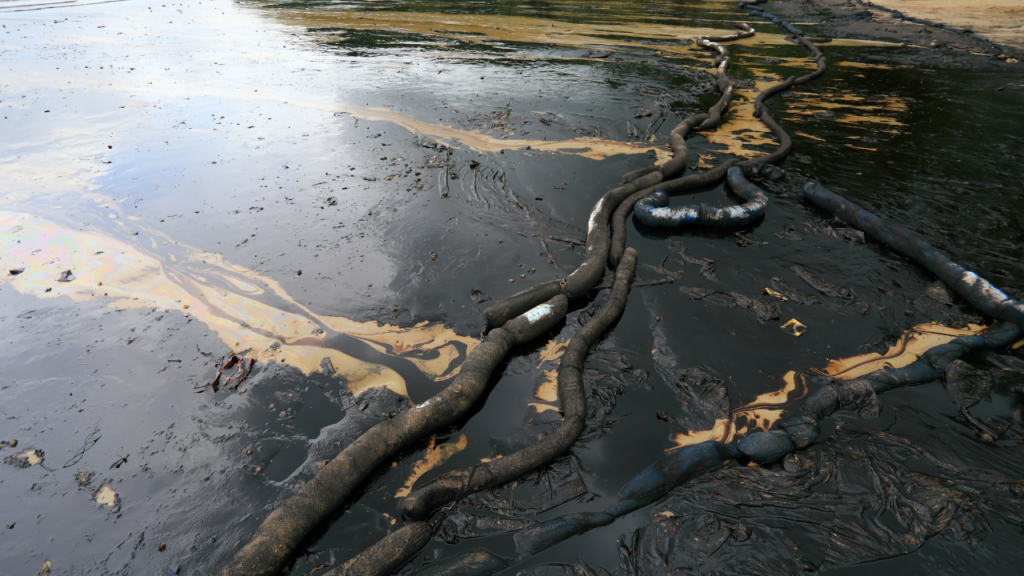
Water is an essential resource vital for sustaining life. Its safety is crucial to human survival. However, the global concern of water contamination, including diesel fuel spills, has raised alarms due to its impact on human health, wildlife, and aquatic life. This blog aims to cover the basics of the Tennessee diesel fuel spill, its effects on water, and potential health implications. Diesel fuel spill contamination introduces toxic chemicals like benzene, arsenic, and lead into waterways. These pollutants seep through runoff, soil, or direct discharge, posing severe health risks such as cancer, kidney damage, and neurological disorders when consumed. In the case of the Tennessee River diesel fuel spill, nearly 6000 gallons of diesel fuel contaminated the surrounding environment. Even a small amount of diesel fuel in water can cause significant damage to ecosystems. This particular spill affected around four miles of the river, endangering local wildlife and posing severe health risks to nearby communities. Dealing with diesel fuel spill contamination can take years or even decades to break down, causing long-lasting effects on water quality. Contaminated water can reach homes and communities that rely on it for drinking and irrigation, leading to long-term health issues. Moreover, diesel fuel spills disrupt aquatic life by destroying ecosystems and affecting the life cycle of fish and other species relying on these water sources. Reduced oxygen levels caused by diesel fuel also harm aquatic plants and animals dependent on oxygen for survival. In conclusion, water contamination resulting from diesel fuel spills is a significant environmental and health concern. It is necessary to take measures to reduce pollution in our waterways caused by diesel fuel and other chemicals. Raising awareness about the hazards of water contamination, specifically from the Tennessee diesel spill, is pivotal in making informed choices about our health and water consumption. If you have concerns regarding water contamination, reach out to environmental protection agencies or your local community for support. Prioritizing safe water resources is crucial for the well-being of both humans and the environment.

Uncovering the Hazards of Tennessee Diesel Fuel Spill on Water Contamination Read More »

The Truth About PFAS Chemicals and Your Health

As more research is conducted on the impact of chemicals on human health, a group of chemicals known as PFAS has begun to gain more attention. Short for per- and polyfluoroalkyl substances, PFAS chemicals are man-made compounds that have been used in various consumer products for decades. However, as concerns about their toxicity grow, it’s essential to understand what these chemicals are, where they are found, and the potential risks they may pose to your health. What are PFAS chemicals? PFAS chemicals are a group of man-made substances that have been used in a wide range of consumer products since the 1940s. These compounds are incredibly long-lasting and resistant to heat, water, and oil, which has made them popular in manufacturing and industry. They can be found in everything from non-stick cookware and stain-resistant fabrics to firefighting foam and food packaging. There are over 4,700 individual PFAS chemicals, but the two most studied and well-known are perfluorooctanoic acid (PFOA) and perfluorooctanesulfonic acid (PFOS). Both of these chemicals have been linked to a range of health concerns, including liver damage, immune system function, developmental effects on fetuses and infants, and increased risk of cancer. Where are PFAS chemicals found? Due to their widespread use, PFAS chemicals are ubiquitous in consumer products and industrial processes and can be found in the air, water, and soil. They have been detected in the blood of people and animals worldwide and in surface water, groundwater, and soil. Some of the most common sources of PFAS exposure include: What are the potential health risks of PFAS exposure? Due to their resistance to degradation and ability to accumulate in the body over time, PFAS chemicals have been linked to a range of health issues. For example: It’s worth noting that the full extent of the health risks associated with PFAS exposure is not yet fully understood. However, the evidence so far suggests that these chemicals should be taken seriously and measures should be taken to limit exposure where possible. What can you do to reduce your exposure to PFAS? While it’s impossible to avoid all exposure to PFAS completely, there are steps you can take to minimize your risk: The potential impact of PFAS exposure on human health is a complex issue, but it’s clear that these chemicals are a cause for concern. Whether it’s through advocating for stricter regulations, or making small changes to everyday habits, there are steps we can all take to minimize our exposure to these compounds and protect ourselves and our families from potential health risks. By working together, we can help ensure a healthier and safer future for everyone.

The Truth About PFAS Chemicals and Your Health Read More »

The Truth About Great Lakes Water Samples: Unsafe Levels and Health Risks

The Great Lakes, one of North America’s vital freshwater resources, face a concerning issue – recent water samples indicate compromised safety. These samples reveal the presence of unsafe levels of contaminants, posing risks to individuals who come into contact with the water. In this blog post, we will explore the causes behind these unsafe levels, understand the associated health dangers, and discuss protective measures. Let’s start by investigating the causes behind the contamination in the Great Lakes. Chemical agriculture plays a significant role, with the lakes being exposed to substantial quantities of pesticides and fertilizers through agricultural runoff. Consequently, toxic algae blooms emerge, leading to skin rashes, respiratory problems, and even liver failure. Industrial waste is another major contributor. Several factories near the Great Lakes continue to discharge waste into the water, disregarding environmental regulations. This waste contains heavy metals like lead and mercury, significantly impacting human health, especially the development of children’s brains. The outdated sewer systems in the region are also a concern. Sewage overflows frequently occur, finding their way into the Great Lakes. These overflows carry bacterial viruses, including gastrointestinal diseases, posing risks to human health. Now, let’s consider the potential health risks associated with exposure to this contaminated water. Apart from the aforementioned examples, individuals may experience skin irritation, gastrointestinal illness, and even cancer. Children are particularly vulnerable due to their increased likelihood of contact with the water while swimming and greater water consumption. So, how can we protect ourselves and the Great Lakes from these harmful contaminants? The first step is to acknowledge the causes behind the unsafe levels and the risks they pose to our health. We can then advocate for stricter regulations and their effective enforcement concerning chemical agriculture and industrial waste. Additionally, we can take personal actions in our daily lives to minimize water contamination, such as reducing water waste and avoiding the use of pesticides. By understanding the issues at hand, raising awareness, and making changes at both an individual and collective level, we can ensure the safety of the Great Lakes and safeguard our own well-being.

The Truth About Great Lakes Water Samples: Unsafe Levels and Health Risks Read More »

The Shocking Truth About Contaminated Drinking Water in America

We all recognize the importance of drinking water in maintaining a healthy lifestyle. However, many Americans are unaware that millions of people are consuming contaminated water, and the situation is worsening every year. Drinking water contamination is a growing concern in the United States, and it is crucial to address this issue to help individuals make informed decisions about their health. Common Contaminants in Tap Water: Tap water can contain various contaminants, including lead, chlorine, fluoride, mercury, arsenic, and pharmaceuticals. The presence of these contaminants can lead to a wide range of health problems, such as cancer, developmental delays, neurological issues, and hormone disruption. Health Effects of Contaminated Water: Contaminated water can cause both short-term and long-term health concerns. Immediate health effects may include nausea, vomiting, and stomach sickness, while long-term effects can range from skin damage to reduced cognitive function and even the onset of cancer. Additionally, contaminated water can significantly impact the growth and development of children and infants. Protecting Yourself from Contaminated Water: Fortunately, there are several ways to safeguard against drinking contaminated water. Investing in a water filtration system tailored to remove specific contaminants is the easiest approach. It is also essential to ensure that your local water utility provides safe drinking water by reviewing the Consumer Confidence Report (CCR) that should be provided annually. Getting Involved to Improve Water Quality: To advocate for better water policies and monitoring systems, it is vital to engage with advocacy groups and raise awareness in your local community. Holding public officials accountable and ensuring clean and safe water for every citizen should be a shared priority. The Significance of Clean Water for Good Health: Clean and safe drinking water should be accessible to all citizens. Consumption of clean water is crucial in maintaining proper hydration and eliminating toxins and waste from our bodies. Contaminated drinking water is a growing concern in America, and we must educate ourselves and take steps to protect ourselves and our loved ones. By being proactive in our approach to drinking water, we can ensure that we drink safe and clean water. Remember, access to clean water is a fundamental human right, and we must take action to protect it.

The Shocking Truth About Contaminated Drinking Water in America Read More »

Scroll to Top