Keeping Maryland Clean: A Guide to Wastewater Treatment Plants in Maryland
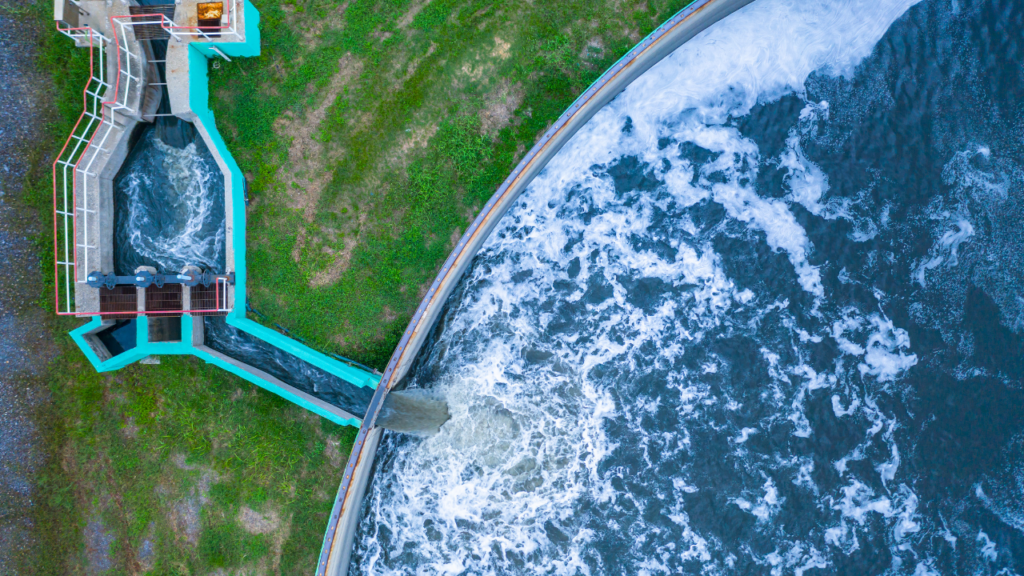
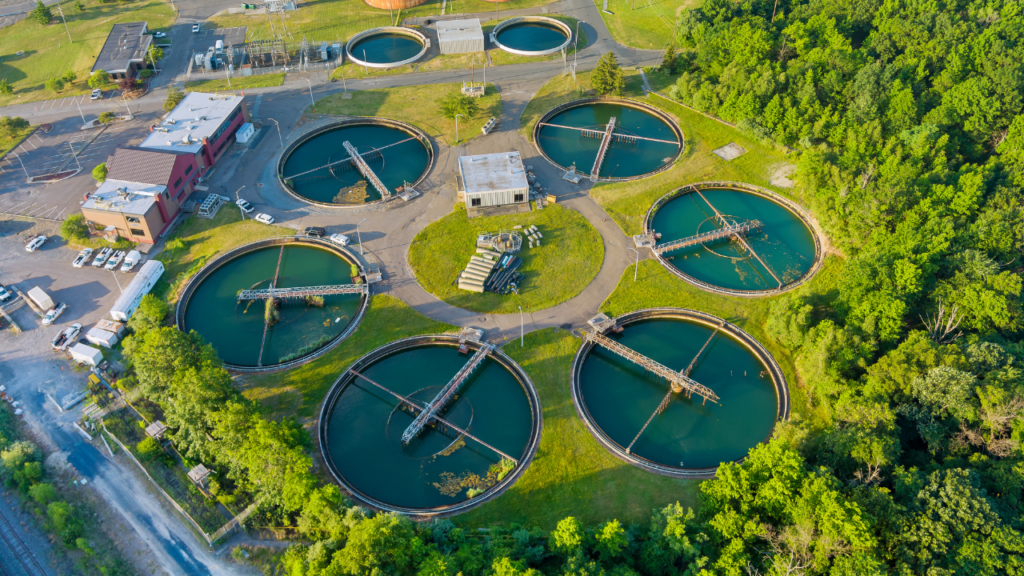
Have you ever wondered what happens to all the waste from your sink, shower, or toilet after you flush it down the drain? There’s a complex process that takes place to properly treat wastewater, which is crucial for disease prevention and environmental protection. In Maryland, there are 66 wastewater treatment plants (WWTPs) that handle over three billion gallons of wastewater every day. This blog serves as a guide to these plants, explaining how they work and highlighting the significance of wastewater treatment for both our health and the ecosystem. What is a wastewater treatment plant? A wastewater treatment plant is a facility that processes waste from residential, commercial, and industrial sources. The treatment process involves several steps, including the removal of solid waste, organic matter, and harmful chemicals. Once treated, the water is either discharged back into the environment or reused. Additionally, most wastewater treatment plants generate bio-solids from the sludge, which can be further processed and used as fertilizer, in landfills, or for energy purposes. How do wastewater treatment plants work? The wastewater treatment process may vary slightly depending on factors such as plant size, design, and the type of waste being treated. However, most plants follow a similar framework consisting of three stages: primary treatment, secondary treatment, and tertiary treatment. During primary treatment, the wastewater flows into large settling tanks where heavier solids settle at the bottom. In the secondary treatment stage, biological treatment takes place, with the help of bacteria breaking down the organic matter. Finally, in tertiary treatment, chemicals or physical methods are employed to further remove any remaining impurities. Why is wastewater treatment crucial for our health? Untreated wastewater can contain harmful pathogens, bacteria, or viruses that can lead to diseases like cholera, typhoid, or hepatitis. Moreover, untreated wastewater poses significant environmental threats, such as algae blooms, eutrophication, and the decline of marine life. Wastewater treatment plays a vital role in removing harmful substances and pollutants, preventing waterborne illnesses, and safeguarding our water resources for future generations. Wastewater Treatment Plants in Maryland Maryland is home to 66 wastewater treatment plants scattered across its counties. Among the largest facilities are the Back River WWTP in Baltimore, which processes around 180 million gallons per day, and the Patapsco WWTP that serves Baltimore City, Arundel, and Howard counties. Other notable plants include the Blue Plains WWTP in Washington, D.C., and the Plant B WWTP in Anne Arundel County. These treatment plants are regulated by the Environmental Protection Agency (EPA) under the Clean Water Act, ensuring compliance with discharge standards and upholding environmental protection. Wastewater treatment is crucial for ensuring a healthy and safe environment. Fortunately, in Maryland, we are fortunate to have a well-managed system consisting of 66 wastewater treatment plants. These plants treat billions of gallons of wastewater every day. Proper treatment of wastewater not only benefits our health but also the environment, playing a vital role in preventing the spread of waterborne diseases. It is our responsibility to support and contribute to efforts aimed at maintaining and enhancing the processes and technologies used in our wastewater treatment plants. Together, we can foster a sustainable and efficient wastewater management system.
Keeping Maryland Clean: A Guide to Wastewater Treatment Plants in Maryland Read More »