Aquafeel Maryland

Uncategorized

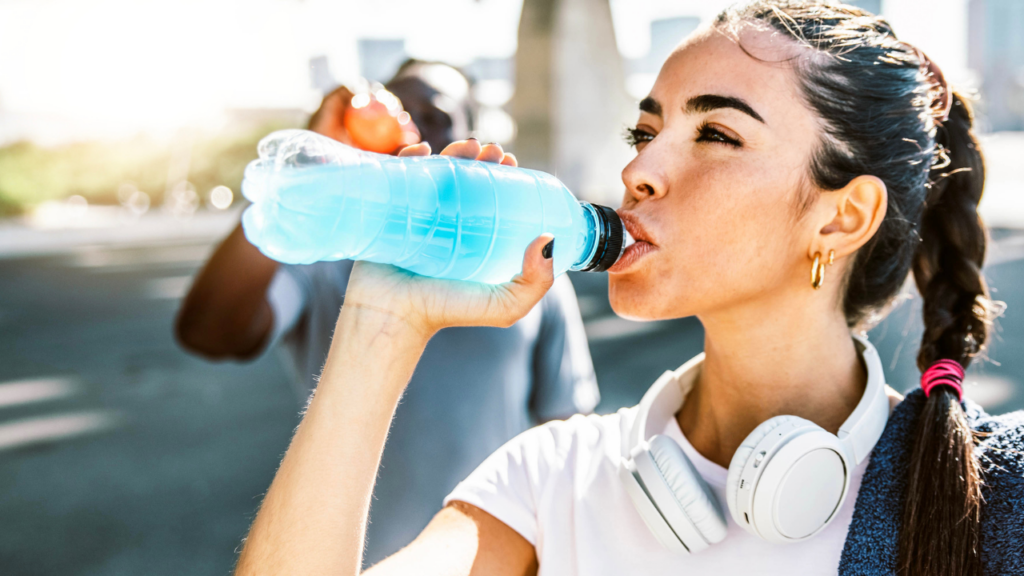
Water vs Gatorade – Which is Better for Health and Hydration?

Keeping oneself hydrated is essential for maintaining good health. Water and Gatorade are two popular beverages that people often consume to quench thirst and replenish fluids. While water has remained a staple source of hydration for centuries, Gatorade is a relatively new entrant in the market that claims to be a better sports drink. In this blog post, we will compare the properties of water and Gatorade to find out which is better for health and hydration. Water is the most essential beverage for human beings. It hydrates the body, regulates body temperature, flushes out toxins, and aids digestion. Water is also essential for proper functioning the brain, heart, and other vital organs. Drinking sufficient water helps to prevent dehydration, which can lead to headaches, fatigue, dizziness, and other health problems. Moreover, water is calorie-free, sugar-free, and virtually free of cost, making it an ideal choice for people who want to maintain a healthy lifestyle. Gatorade is a sports drink that contains water, sugar, electrolytes, and other nutrients. It was developed in the 1960s by scientists working on a drink that could help athletes perform better in hot and humid conditions. Gatorade replenishes the body’s fluids, electrolytes, and carbohydrates, which are lost during intensive physical activity. Gatorade claims to provide energy and prevent dehydration, muscle cramps, and fatigue. However, it contains a significant amount of sugar and calories, which can lead to weight gain and health problems if consumed in excess. Water is a natural beverage that has no added sugar or calories. It is safe for people of all ages, including pregnant and nursing women and people with medical conditions such as diabetes, high blood pressure, and heart disease. Water is readily available and can be consumed in various forms like tap, mineral, and purified water. An average person must drink at least 2 liters of water daily to maintain optimal health and hydration. Gatorade is a specialized sports drink designed for athletes and people who engage in rigorous physical activities. It contains sugar and calories, benefiting people who need quick energy and hydration during intense workouts. However, consuming Gatorade can lead to weight gain and other health problems for people not engaged in physical activity. In conclusion, water is the best beverage for maintaining good health and hydration. It is calorie-free, sugar-free, and readily available, making it an ideal choice for people of all ages and backgrounds. Gatorade is a specialized sports drink that can provide energy and hydration during intense workouts. However, it should be consumed in moderation, as excess consumption can lead to health problems. Whether an athlete or a health enthusiast, the key to good health and hydration is to drink plenty of water and stay hydrated throughout the day.

Water vs Gatorade – Which is Better for Health and Hydration? Read More »
Understanding Water Quality Standards: Who Defines Them?

Water is vital to our survival. We all understand the importance of staying hydrated and drinking clean, safe water. But have you ever wondered who sets the standards for water quality? Why do some cities have better water quality than others? This blog will explore the intricate world of water quality standards and discover who defines them. The Environmental Protection Agency (EPA) determines water quality standards in the United States. They develop regulations and guidelines for public water systems to ensure our water is safe. The EPA sets the bar high for water quality standards, but individual states can set their own standards if they are equal to or higher than the EPA’s standards. The EPA’s National Primary Drinking Water Regulations establish maximum contaminant levels for 90 contaminants. These contaminants include bacteria, viruses, pesticides, and chemicals. If a public water system exceeds these limits, it must notify the public and take corrective action. The EPA also publishes a Consumer Confidence Report, which alerts customers to any violations or issues with their water quality. Although the EPA sets the standards for water quality, it is up to individual water systems to monitor and test their water for contaminants. Public water systems are required to test for specific contaminants regularly, and they must report their findings to the state. The state’s responsible for enforcing the EPA’s standards and ensuring that public water systems comply with regulations. Water quality can also be affected by private wells. Unlike public water systems, private wells are not regulated by the EPA. It is the responsibility of the well owner to ensure that their water is safe to drink. Many states offer free or low-cost testing for private well owners, but it is ultimately up to the owner to maintain their well and monitor their water quality. In conclusion, the EPA is the governing body responsible for setting water quality standards in the United States. They establish maximum contaminant levels for public water systems, and individual states are responsible for enforcing these regulations. Understanding the importance of water quality standards and educating ourselves on the quality of our drinking water is essential. By staying informed about water quality, we can all take steps to protect our health and wellness.

Understanding Water Quality Standards: Who Defines Them? Read More »

Fascinating and Fun Facts About Water

Water is not only essential to human survival, but it also offers many exciting features and surprising facts. For health and wellness enthusiasts, drinking enough water daily is crucial to stay hydrated and maintain good health. However, the significance and characteristics of water extend beyond just quenching thirst and remaining hydrated. In this blog post, we’ll explore some fascinating and fun facts about water that you may not have known before. 1) Water Makes up Most of Our Bodies: Did you know water makes up about 60% of the human body? Yes, that’s right. Our brains and hearts comprise 73% water, while our lungs comprise 83%. Water plays a critical role in our body functions, such as transporting nutrients and oxygen, regulating body temperature, and removing waste. 2) Water is a Solvent: Water is an excellent solvent, which means it can dissolve various substances. This feature enables water to transport nutrients and minerals around our bodies. Also, water’s solvent properties make it necessary for many industries like pharmaceuticals, manufacturing, and cleaning. 3) Water Can Exist in Three States of Matter: Water is the only substance on earth that can exist naturally in all three states of matter: solid, liquid, and gas. You can find frozen water on the top of a mountain, liquid in a flowing river, and water vapor in the air. 4) Water is a Renewable Resource: Water is renewable as it circulates through a water cycle. The heat from the sun evaporates water from oceans and lakes, creating clouds. These clouds then release rain and snowfall, which return water to the ground and begin the next cycle. However, it’s crucial to conserve and use water wisely, as access to clean water is essential for everyone. 5) Water Helps Us Maintain a Healthy Weight: Drinking water regularly can help us maintain a healthy weight. Studies show that drinking water before meals reduces appetite and helps consume fewer calories. Also, hydration helps us feel fuller, reducing the urge to snack unnecessarily. Water is crucial for humanity’s survival, and we should learn to appreciate its characteristics and significance. With these five intriguing facts about water, we hope you have gained a deeper understanding and appreciation for this essential resource. Remember that drinking enough water daily is essential for staying hydrated and maintaining good health. So, keep your water bottles handy and drink up!

Fascinating and Fun Facts About Water Read More »

Exploring the Myth: Do Water Towers Hold Pure Water?

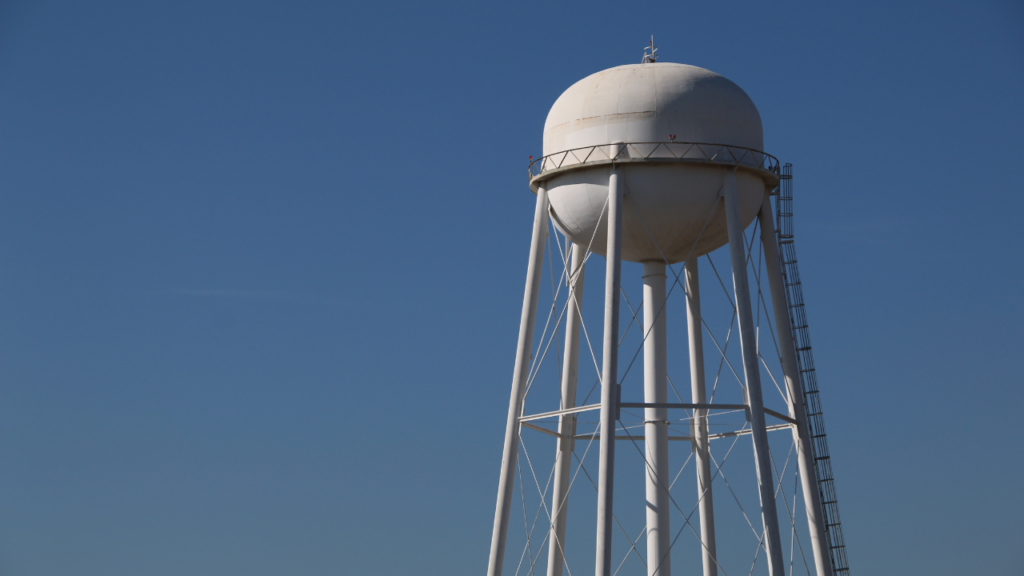
Water is a basic human need, and we all want to be sure that the water we consume is free from impurities and safe for consumption. One popular conception is that water towers house pure water safely traveling through the community’s pipes into our homes. While this is partially correct, there is more to the story than meets the eye. In this article, we’ll explore this myth and uncover the truth about what water towers do and don’t do. What Is a Water Tower and How Does It Work? Water towers are large, cylindrical structures that hold large volumes of water. They use gravity to create and maintain water pressure, especially during periods of peak demand when the pumping system cannot meet the community’s needs. During off-peak hours, water is pumped from the main water supply to the tower and stored until needed, keeping the pressure in the pipes constant when many water users demand water simultaneously. Is It Pure Water Inside a Water Tower? Typically, water towers aren’t filled with pure water. Instead, they act as reservoirs that hold water that has already passed through the primary water treatment systems, including filtration, disinfection, and settling processes. Water treatment plants use chemicals to purify the water, including chlorine and fluoride, so the water travels to your home with small amounts of these substances. However, the water inside a tower is continually circulating, which helps keep it fresh and prevents it from becoming stagnant or contaminated. Since water towers are open-air structures, many things can contaminate the water in them when exposed to environmental or physical damage. For example, birds perched on the structures can contaminate the water with waste, and weaker parts of the tower can rust, allowing dirt or bacteria to enter the water supply. Is the Water from a Water Tower Safe to Drink? Since the water in a water tower has already passed through primary, intermediate, and distribution treatment processes. You can expect that it’s safe to consume as needed. Still, protecting it from contaminants during transportation from the storage tower to the various households and businesses is crucial. The water treatment plants must observe all quality control measures to keep the water in the highest possible quality state. In conclusion, while water towers do not hold pure water, they are vital in ensuring our communities have clean, dependable water supplies. It’s crucial to remember that because of open-air structures, water towers can be subject to environmental and physical damage, leading to contaminated water supplies. Maintaining and repairing these structures is essential to keeping our drinking water safe and fresh. We must always be vigilant to ensure quality water is delivered to our households, offices, or wherever water is required.

Exploring the Myth: Do Water Towers Hold Pure Water? Read More »

Pure Water in Other Countries: A Look at Access, Quality, and Health Implications

Water is essential for life. But not every country has access to clean and safe drinking water. In fact, 2.2 billion people around the world lack access to safe drinking water, according to the World Health Organization (WHO). The lack of access to safe water devastates health and wellness. In this blog post, we will look closer at the access, quality, and health implications of pure water in other countries. Access to Pure Water: Safe drinking water remains a major challenge for many countries, particularly in sub-Saharan Africa and South Asia. In some countries, people must walk for miles to collect water from unsafe sources such as rivers and ponds. The lack of access to safe water contributes to the spread of waterborne diseases such as cholera, typhoid fever, and diarrhea. According to the WHO, diarrhea is the leading cause of death among children under five in low-income countries. Quality of Pure Water: Even when access to water is available, the quality of the water may not be safe for drinking. In many developing countries, water sources are contaminated with fecal matter, industrial pollutants, and agricultural runoff. These contaminants can cause various health problems, from diarrhea to liver damage to cancer. Health Implications of Pure Water: Pure water is crucial not only for preventing water-related diseases but also for maintaining overall health and wellness. Drinking contaminated water can lead to serious health problems, from dehydration to malnutrition, weakened immune systems, and even death. In low-income countries, diseases from unsafe water often cause people to miss work or school, leading to economic hardship and reduced opportunities for better health and well-being. Solutions for Pure Water: Providing access to safe drinking water is a complex issue requiring policy changes, infrastructure development, and behavior change. Increased investment in water treatment plants and infrastructure improvements can provide safe water sources. Engaging communities to improve hygiene practices such as handwashing, proper storage and handling of water, and sanitation practices can also help reduce contamination and improve water quality. Adopting sustainable water management practices and strengthening regulatory frameworks can support efforts to provide safe drinking water. Access to pure water is a basic human right many people worldwide still lack. The lack of clean and safe water has significant implications for health and wellness. But solutions to this complex issue are available. Governments, donors, and communities can improve access to clean and safe drinking water by working together. As individuals, we can support these efforts by advocating for policies, reducing our own water footprint, and supporting organizations that provide clean water to those in need. Let’s all work towards a world where everyone has access to pure water and can lead healthier and happier lives.

Pure Water in Other Countries: A Look at Access, Quality, and Health Implications Read More »

5 Remarkable Benefits of Drinking Water with Baking Soda

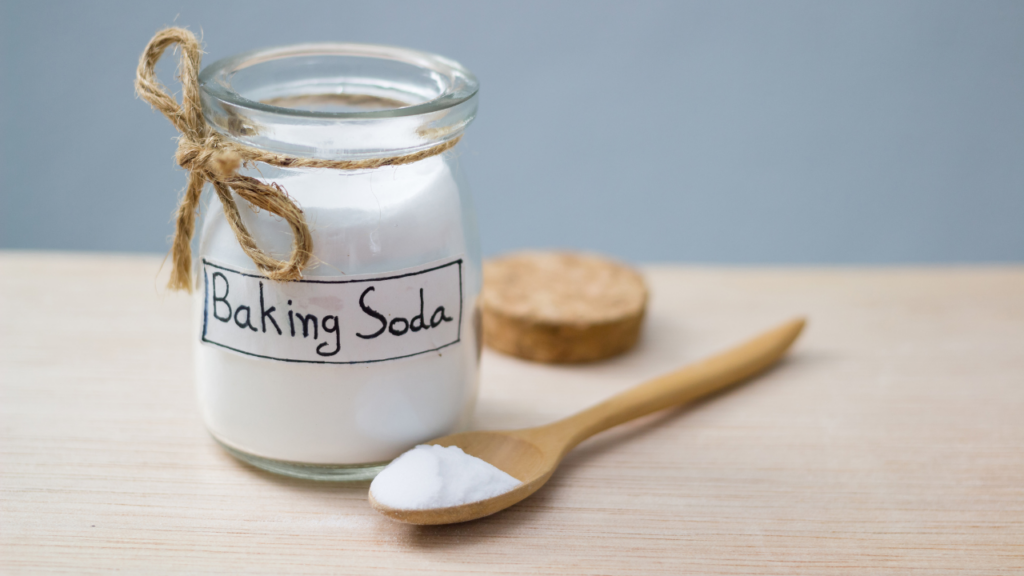
Water is the elixir of life. We all know how crucial it is to keep ourselves hydrated by drinking enough water daily. But have you ever thought of adding baking soda to your water? Yes, that’s right! Baking soda, the multipurpose household ingredient, can also be a game-changer when drinking water. It is a natural alkalizing agent that can help improve our overall health and well-being. In this article, we will discuss five remarkable benefits of drinking water with baking soda that will make you want to add this mixture to your daily routine. Boosts digestion: Drinking water with baking soda can help improve digestion by neutralizing stomach acid. The alkaline baking soda and water solution can reduce acid reflux symptoms and ease indigestion and bloating. Adding a teaspoon of baking soda to a glass of water can act as an antacid and provide instant relief. Regulates pH balance: Baking soda is a natural alkalizing agent, which means it can help regulate our body’s pH level. The pH level of our body is critical to maintaining good health. A highly acidic environment can lead to inflammation, infections, and other health problems. Drinking water with baking soda can help restore the pH balance and keep our body in an alkaline state. Detoxes the body: Baking soda is a great detoxifying agent. It helps eliminate toxins and impurities from our body by increasing the alkalinity. This alkaline environment makes it easier for our body to flush out toxins, and waste, leading to better overall health. Fights urinary tract infections: Drinking water with baking soda can also help fight urinary tract infections (UTIs). UTIs are caused by the growth of bacteria in the urinary tract, which can thrive in an acidic environment. Baking soda can reduce the acidity of urine, preventing the growth of bacteria. Drinking this mixture can also help relieve the symptoms of UTIs, such as a burning sensation and frequent urination. Boosts athletic performance: Baking soda is also known to enhance athletic performance. Drinking water with baking soda before exercise can delay fatigue, increase endurance, and improve overall performance. Baking soda can also reduce lactic acid buildup, which can cause muscle soreness after a workout. Adding baking soda to your water can provide an array of health benefits. From improving digestion to regulating the pH balance, detoxifying the body, and fighting UTIs, this simple mixture can work wonders for your well-being. However, it is essential to note that excessive consumption of baking soda can lead to adverse effects, such as vomiting, nausea, and alkalosis. So, it is crucial to use it in moderation and always talk to your healthcare provider before adding it to your diet.

5 Remarkable Benefits of Drinking Water with Baking Soda Read More »

Understanding the History of Water Conservation in Maryland

Water is an essential component of life; without clean, safe water, there can be no health or wellness. For this reason, Maryland has a long-standing history of conserving its water resources to preserve the environment and public health. As we look at the history of water conservation in Maryland, we can see how our state has taken steps to protect its water and ensure that it remains a vital resource for future generations. The history of water conservation in Maryland dates back to the 1800s when drilling wells to extract groundwater was a common practice. Concerns over the impacts of drilling on the water supply and the environment led the state to enact laws in 1888 to regulate groundwater use. In subsequent years, the state continued to regulate groundwater and surface water use to protect public health. One of the significant developments in the history of water conservation in Maryland was the creation of the Maryland Department of the Environment in 1987. The department enforces state and federal environmental laws and regulations, including water quality. Since its creation, the department has helped to protect the environment by monitoring water quality, implementing standards for water treatment plants, and enforcing regulations related to water pollution. Another significant development in Maryland’s water conservation history is the Chesapeake Bay Agreement, which was signed in 1983. The agreement brings together Maryland, Virginia, Pennsylvania, the District of Columbia, and the federal government to work together to protect the Chesapeake Bay. The agreement sets goals for improving water quality, reducing pollution, and restoring habitat in the Chesapeake Bay watershed. Maryland has also taken steps to encourage water conservation by homeowners and businesses. In 1992, the state passed the Water Conservation Act, which requires new construction to use low-flow fixtures and appliances to conserve water. The state has also launched several programs to encourage homeowners and businesses to conserve water, including financial incentives for upgrading to more efficient fixtures and appliances. The history of water conservation in Maryland is an essential reminder of the value of water and the need to conserve this vital resource. From regulating groundwater and surface water to creating the Maryland Department of the Environment and the Chesapeake Bay Agreement, the state has taken significant steps to protect its water resources. As a health and wellness enthusiast, it is essential to understand the history of water conservation in Maryland and how you can take steps to conserve water in your own life. Whether upgrading to low-flow fixtures or reducing your water usage, every little bit helps ensure that our water resources remain abundant and safe for future generations.

Understanding the History of Water Conservation in Maryland Read More »

Discover How Water Bottles Are Made for a Happier and Healthier You

Do you ever wonder how the water bottle you reach for every day is made? Understanding the process of how these plastic containers are created can give us a deeper appreciation for the convenience of bottled water and the effort it takes to keep us hydrated. This article will explore the steps and techniques used to manufacture water bottles, giving you an inside look at how these useful and essential products are produced. Step 1: Raw Material Preparation The first step in creating a water bottle is obtaining the raw materials. Different types of plastic are used in bottles, but polyethylene terephthalate (PET) is the most common. PET comes in small pellets, which are melted into a liquid. The liquid is then formed into a tube-like shape, known as a parison, which is the basis for the bottle. Step 2: Blow Molding To create the final shape of the bottle, the parison must be blow-molded. This process involves placing the parison in a mold and inflating it with compressed air until it takes the desired shape. The mold is then cooled, and the bottle is removed and cleaned. Step 3: Labeling and Packaging Once the bottle is made, it is ready to be labeled and packaged. Labels are applied to the bottle using adhesive or heat shrinking. After this step, the bottles are packaged and sent to retailers or distribution centers, ready for consumers to purchase. Step 4: Recycling Since plastic water bottles pose a significant environmental threat, it’s important to note that recycling plays an essential role in the production process. Recycling water bottles reduces the amount of waste that ends up in landfills, and it also conserves energy and natural resources. The recycling process involves melting down the bottles and reforming them into new plastic products, thus reducing the demand for fresh raw materials. In conclusion, understanding how water bottles are made can help us appreciate the convenience and importance of staying hydrated while raising awareness about plastic waste’s environmental consequences. Creating a plastic water bottle involves several steps, from raw material preparation to molding, labeling and packaging, and recycling. As we strive for a healthier and more sustainable world, it’s crucial to support efforts that promote the responsible use and disposal of plastic products.

Discover How Water Bottles Are Made for a Happier and Healthier You Read More »

Water vs. Soda: Which One Is the Better Beverage?

We all have our favorite beverages, and for some of us, that means reaching for a soda can quench our thirst. But what if we told you that water could be a healthier and more beneficial option? In this blog post, we will discuss the differences and compare the health benefits of water and soda. Whether you are a health enthusiast or just someone who wants to make better choices for your body, this article will give you the insights you need to make an informed decision. Hydration Is Key When it comes to staying hydrated, water is clearly the winner. Not only does it quench thirst, but it also helps regulate body temperature, lubricates joints, and promotes healthy digestion. Soda can actually be dehydrating due to its caffeine and sugar content. Consuming too much soda can lead to dehydration and even cause kidney stones. Nutritional Value Water is essential for our bodies, but it doesn’t provide much in the way of nutrients. Soda, on the other hand, is loaded with sugar and empty calories. A 12-ounce can of soda can contain up to 39 grams of sugar, which is more than the daily recommended intake. Consuming too much sugar can lead to obesity, type 2 diabetes, and other health issues. The Effects on Teeth Drinking water is not only good for our bodies, but it is also beneficial for our teeth. It helps rinse away food particles and bacteria that can lead to cavities. Soda, however, is terrible for our teeth. The high sugar content can erode tooth enamel, leading to cavities, tooth decay, and gum disease. The Cost Water is affordable and can be found everywhere; it is accessible in some places. Soda, on the other hand, can be quite expensive and is often sold in small servings. Reducing soda and increasing your water intake can save you money in the long run. The Environmental Impact Finally, let’s talk about the environmental impact of these two beverages. Soda is usually sold in single-use plastic or aluminum cans, which can take centuries to decompose. Water, however, is often sold in reusable bottles that can be refilled and reused for years. At the end of the day, the choice between water and soda ultimately comes down to what is best for your body and your lifestyle. While soda may taste great and provide a temporary sugar rush, it is not worth the long-term health risks. Water, on the other hand, is essential for our bodies to function correctly, costs less, and has a minimal environmental footprint. So next time you reach for a drink, remember that water is the better choice for your health, wallet, and planet.

Water vs. Soda: Which One Is the Better Beverage? Read More »

Can Water Expire?

Water is essential to maintaining good health, and staying hydrated is important for our well-being. That said, it’s not uncommon to see water bottles with expiration dates printed on them. But can water expire? Do we need to pay attention to those dates printed on the label? In this blog post, we’ll dive into whether or not water can expire and what you need to know about water bottle expiration dates. First things first, let’s talk about what those expiration dates mean. According to the FDA, “expiration dates” on bottled water refer to the date until it is safe to drink the bottle of water. This means that the water quality may decrease after the expiration date, but it is still safe to drink. The reason for this is that over time, the plastic from the bottle can leach into the water, compromising its taste and quality. But does that mean water expires? The answer is no. Water does not expire like food does because it does not support the growth of bacteria or mold. Water is one of the most stable substances in the world and can last for years without spoiling. The only genuine concern regarding water is the plastic bottle it comes in. Should you still pay attention to those expiration dates? While it’s not absolutely necessary, it’s still a good idea to keep an eye on the date printed on the bottle. Not so much for safety concerns, but for the quality of the water itself. Drinking water sitting in a plastic bottle for too long can affect its taste, even if the water inside is still safe to drink. The FDA recommends that you consume bottled water within 2 years of the date on the label to ensure the best quality and taste. Another thing to consider is where you’re storing your bottled water. Exposure to sunlight and heat can also affect the quality and taste of bottled water, even before the expiration date. If you’re storing your water in a cool, dry place away from direct sunlight and heat, you’re already ensuring its quality. Suppose you’re storing it in a hot car or in direct sunlight for long periods of time. In that case, however, you may want to be more conscious of the expiration date and consume the water before that date to ensure the best possible taste and quality. In conclusion, water does not expire, but the quality can be affected over time. The expiration dates printed on bottled water refer to the date up until which it is safe to drink, but drinking the water after that date won’t necessarily harm you. It’s a good idea to keep an eye on the date and consume the water within 2 years to ensure the best taste and quality. Additionally, storing the water in a cool, dry place away from sunlight and heat will help maintain its quality. Remember, staying hydrated is essential, so drink up!

Can Water Expire? Read More »

Scroll to Top