Aquafeel Maryland

Uncategorized

Are water purification tablets effective?

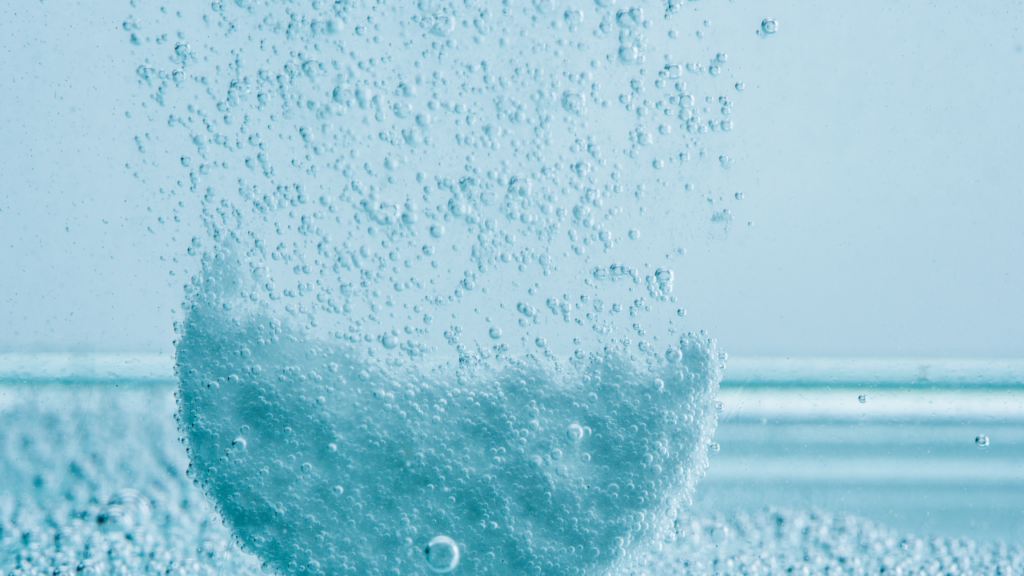
Clean water is essential for human survival. We all know that our body is made up of 60% water, so we need to consume enough water every day to stay hydrated. But what about the quality of the water we consume? Our water might contain harmful bacteria, viruses, or other impurities that can cause serious health problems. This is where water purification tablets come in handy. But the question is, are these tablets effective? In this blog post, we will delve deeper into this topic and determine if water purification tablets are worth the investment. Firstly, it is essential to understand what water purification tablets are. Also called water treatment tablets, they are small, portable tablets that effectively eliminate harmful bacteria and viruses from water. When these tablets are added to water, they dissolve, creating a chemical reaction that kills harmful bacteria and viruses. Hikers, campers, and travelers commonly use water purification tablets, as they offer a convenient and cost-effective solution for treating drinking water in areas where potable water is not readily available. Secondly, it is essential to assess the effectiveness of water purification tablets. When used correctly, these tablets can kill harmful bacteria and viruses in drinking water. However, it is essential to note that not all water purification tablets are created equal, and their effectiveness varies based on the type of tablet and the quality of the water being treated. It is, therefore, advisable to choose a reputable brand and carefully follow the manufacturer’s instructions. Thirdly, it is essential to note that water purification tablets may not effectively remove specific contaminants from water, such as heavy metals, pesticides, or chemicals. These contaminants require specific treatment methods not provided by water purification tablets. Therefore, it is essential to assess the quality of the water being treated to determine if water purification tablets are the most appropriate treatment method. Fourthly, it is worth noting that water purification tablets can have some drawbacks. Firstly, they can give water an unpleasant taste and odor, depending on the type of tablet used. Secondly, water purification tablets may not work effectively in cold water or water that is heavily contaminated. In such cases, other water treatment methods, such as filtration or boiling, may be necessary. Lastly, it is important to consider the cost-effectiveness of water purification tablets. Compared to other water treatment methods, water purification tablets are relatively inexpensive and can be a cost-effective solution for treating drinking water. Moreover, these tablets are portable, lightweight, and easy to use, making them an ideal option for hikers and travelers. In conclusion, water purification tablets can be effective in treating drinking water. Still, their effectiveness depends on various factors such as the type of tablet used, the quality of the water, and proper usage. While water purification tablets offer a convenient and cost-effective solution for treating drinking water, they may not be the most appropriate treatment method for water contamination from heavy metals, pesticides, or chemicals. Therefore, it is important to assess the quality of the water being treated and choose the most appropriate water treatment method. Always follow the manufacturer’s instructions for safe and effective use of water purification tablets.

Are water purification tablets effective? Read More »
Are Pure Water and Distilled Water the Same Thing?

Water is the elixir of life. We all know how essential it is to drink water to keep our bodies hydrated and healthy. But have you ever wondered what type of water is best for you? The grocery stores are flooded with all sorts of water types and brands like spring water, purified water, mineral water, and distilled water. In this blog post, we will explore one common question, Are pure water and distilled water the same thing? Let’s find out. To answer this question, we need to understand what pure water and distilled water mean. Pure water is free of contaminants or impurities and can come from any source, like tap water, well water, or spring water. On the other hand, distilled water is a type of pure water that has gone through a specific process called distillation to remove all minerals, salts, and impurities. Distillation is a straightforward process in which water is boiled, and the steam is collected and cooled to form condensed water, leaving behind all the salts and minerals. This process makes distilled water pure but also takes away the beneficial minerals that our body needs to function correctly. Now, the question remains, are pure and distilled water the same? The answer is no. Pure water can be any water free of impurities, including distilled water. Still, distilled water is not equivalent to pure water as it has gone through a process that takes away its natural minerals. So which water type is better for you, pure or distilled? The answer is subjective and depends on your needs. If you have a healthy, balanced diet and don’t rely on water as your primary source of essential minerals, drinking pure or distilled water won’t affect your health. However, suppose you live in an area where the water quality is poor, or you rely on water as your primary source of essential minerals. In that case, it is best to consult your healthcare provider or a nutritionist for advice. Moreover, if you are using water for industrial or laboratory settings, distilled water is the best choice as it is free of impurities and doesn’t interfere with experimental results. Distilled water is also commonly used in medical facilities, as it is free of any microbial or bacterial contaminants that might be present in tap water. In conclusion, pure water and distilled water are not the same thing. Pure water is free from contaminants, while distilled water is a type of pure water that has undergone a specific process to remove all minerals, salts, and impurities. Whether you opt for pure water or distilled water depends on your needs. Drinking pure or distilled water won’t harm your health unless you have a specific mineral requirement or live in an area with poor water quality. As always, consult your healthcare provider or a nutritionist for advice on what type of water is best for you.

Are Pure Water and Distilled Water the Same Thing? Read More »

Benefits Of Using Pure Water For Your Plants

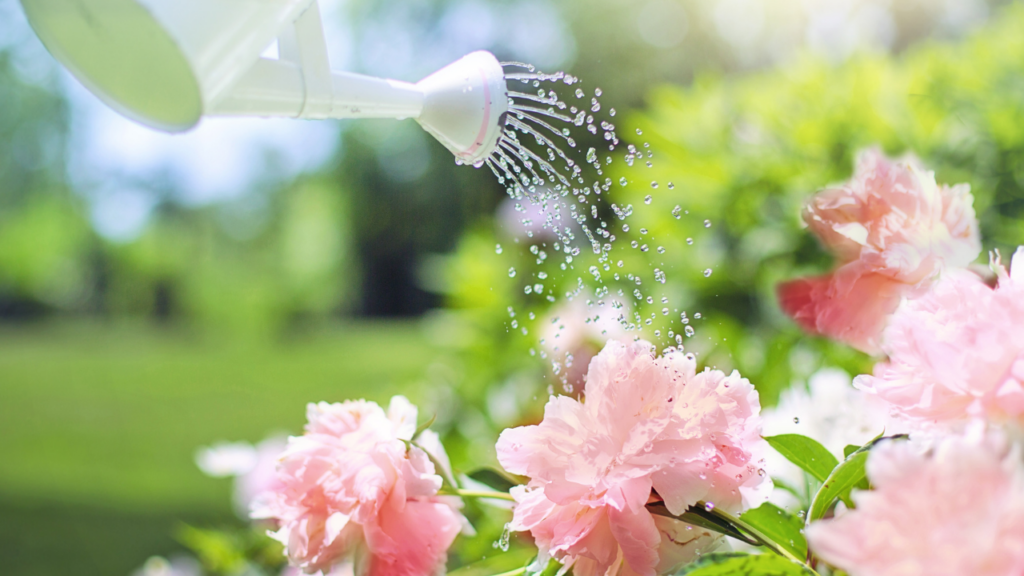
Water is a vital element in plant growth and development. However, not all water is created equal, and the quality of the water you use in your garden can make a significant difference in the health and productivity of your plants. In this blog post, we will explore the benefits of using pure water to care for your plants. Pure Water Is Free Of Harmful Chemicals Water from the tap may contain harmful chemicals and minerals that can harm your plants. Chlorine and fluoride, which are commonly found in tap water, can accumulate in the soil over time, leading to soil toxicity. On the other hand, pure water is chemical-free, making it ideal for plant growth. Using pure water also reduces the need for soil additives and supplements, making gardening more sustainable. Pure Water Promotes Better Nutrient Absorption The purity of the water you use plays a role in nutrient absorption by your plants. Tap water contains dissolved minerals, which can interfere with plant nutrient uptake. These minerals can also accumulate in the soil, leading to imbalances and inconsistencies in nutrient availability. When you use pure water, it helps the roots to absorb nutrients more efficiently, resulting in healthier plants and better yields. Pure Water Reduces The Risk Of Soil-Borne Diseases Untreated water can contain harmful pathogens and bacteria that can cause diseases in your plants and soil. These diseases can spread quickly and lead to substantial crop losses. Pure water, which is typically filtered or treated, reduces the risk of soil-borne diseases and promotes healthier soil and plants. It also benefits the soil microbiome by fostering a healthy and diverse population of beneficial bacteria and fungi. Pure Water Is A Sustainable Choice Pure water is an eco-friendly and sustainable choice for gardeners. It conserves water and reduces the need for synthetic fertilizers and pesticides, which can harm the environment and your plants. Pure water is often collected and treated at home, reducing the demand for bottled water and the associated packaging and transportation. Pure Water Enhances The Flavor And Nutrition Of Your Plants Finally, pure water can enhance the flavor and nutritional value of your plants. Impurities in water can alter the natural taste of fruits and vegetables, leading to an inferior crop. When you use pure water, the flavors of your plants are enhanced, resulting in more delicious and nutritious crops. Using pure water for your plants benefits your plants and the environment. It promotes better nutrient absorption, reduces the risk of soil-borne diseases, and enhances the flavor and nutrition of your crops. Additionally, pure water is an eco-friendly and sustainable choice, making it a win-win for both gardeners and Mother Nature. Start using pure water in your garden today, and watch your plants thrive!

Benefits Of Using Pure Water For Your Plants Read More »

The Truth Behind Water Fountains – Are They Really Safe For Drinking?

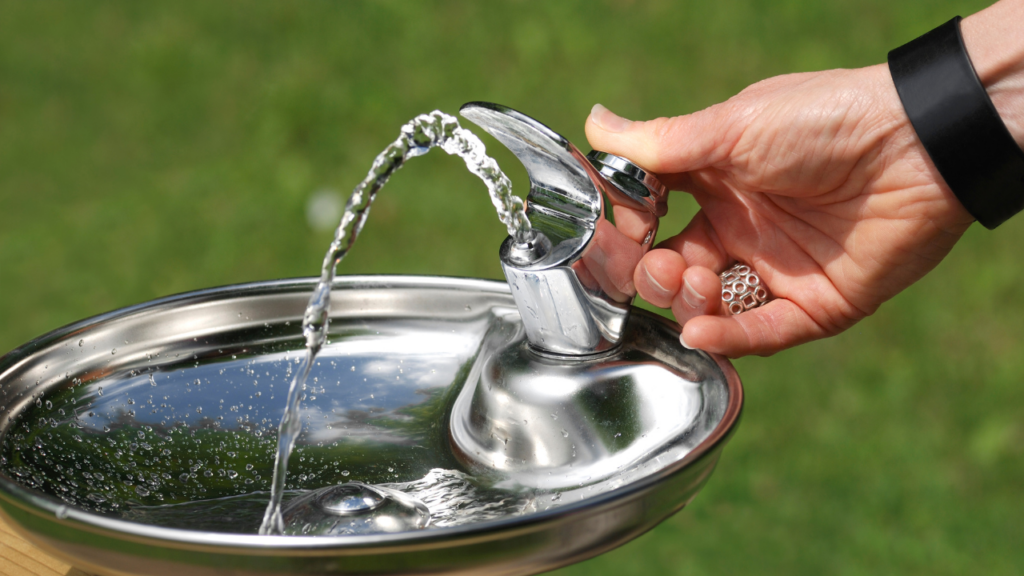
Water fountains are everywhere, from public parks to schools and even offices. Often, we see people filling up their bottles or cups from them without any second thought. But have you ever wondered where that water comes from? Is it safe to drink? In the realm of health and wellness, the safety of the water we consume is of utmost importance, so let’s explore the truth behind water fountains. According to the Centers for Disease Control and Prevention (CDC), drinking fountains can be a potential source of illness. Although the risk of contamination is low if the fountains are well-maintained and cleaned regularly, microorganisms can still thrive in the stagnant water left in the pipes when the fountain is not in use. Pathogens like E. coli, Legionella, and other harmful bacteria can survive and multiply in these environments, putting your health at risk. Also, the material that makes up the fountain plays a role. Some fountains have a lead content higher than the maximum limit set by the Environmental Protection Agency (EPA). Lead-contaminated water can lead to serious health problems, especially for children and pregnant women. While no documented cases have proven that illness contracted from drinking fountains is fatal, the risk remains, and a few simple precautions can reduce it. One effective way to minimize your risk of illness is to avoid touching the fountain spout with your mouth or hands. Instead, use a cup or a water bottle to collect the water. In addition, always wash your hands before and after using the fountain to prevent the spread of bacteria. Another suggestion is to bring your bottle of filtered water to avoid the risk of contamination completely. Filtered water bottles not only provide a safer source of hydration, but they can also improve the taste and odor of the water, which is often an issue with water from public fountains. Despite the potential health hazards, drinking fountains are still a convenient and popular source of hydration. However, taking precautions like avoiding contact with the fountain spout and washing hands frequently can help minimize the risk of illness. For those who prefer to avoid such risks entirely, using a filtered water bottle is the better option. Always remember the importance of consuming clean, safe water for optimal health and well-being.

The Truth Behind Water Fountains – Are They Really Safe For Drinking? Read More »

Understanding the Importance of Pure Water in Chemistry

Water is a fundamental component of life on earth, necessary for metabolisms, digestion, and overall body functions. However, not all water is equal. Pure water, which is free of impurities and minerals, is a vital ingredient in chemical reactions and crucial to maintaining human health and well-being. Join us in this blog post as we explore the significance of pure water in chemistry and its numerous benefits. Pure Water in Chemistry: What is it? Pure water in chemistry is simply water that is free from any impurities. This means that it does not contain any minerals, salts, or other organic or inorganic substances commonly found in tap water. It is often used in laboratory experiments, as any impurities could alter the results of chemical reactions. Therefore, pure water in chemistry is essential for obtaining accurate results in scientific experiments. Importance of Pure Water in Chemistry: Pure water is an essential requirement in laboratory experiments. Impurities could distortedly impact the results of chemical reactions, making pure water necessary to attain accurate findings. It serves as a solvent, reactant, and product in various chemical reactions. It prepares reagents and standards required for chemical analysis. The pharmaceutical industry requires pure water to create drugs and other products that ensure product purity and effectiveness in the industry. Purified water plays a crucial role in producing microchips and other electronic components, eliminating even a minor impurity that could cause significant destruction.  Benefits of Pure Water for Health and Wellness: Pure water hydrates our bodies and flushes toxins out of our system, reducing water retention and maintaining a healthy weight. It helps improve skin tone texture and appearance, eliminating toxins responsible for acne and other skin problems. Pure water is also essential for maintaining good oral health, preventing tooth decay, and freshening breath.  How to Ensure Pure Water in Your Daily Life: The easiest way to ensure that you are drinking pure water is to invest in a water purifier. This will help remove impurities and minerals from tap water, making it safe for consumption. Boiling water is another effective way of eliminating bacteria and other contaminants from water. It is also important to avoid plastic bottles and use reusable bottles instead to reduce plastic waste and decrease the risk of contamination. In conclusion, pure water in chemistry is an essential component in many chemical reactions. It is crucial in various industries, including pharmaceuticals, electronics, and food processing. Drinking pure water has numerous health benefits and is essential for maintaining good overall health. By investing in a water purifier and avoiding plastic bottles, you can ensure that the water you drink is pure and safe for consumption. Remember, water is life, so make sure you drink the purest form available. If you want to learn more about how you can have pure water in your home, click HERE.

Understanding the Importance of Pure Water in Chemistry Read More »

The Connection Between Water Quality and Hair Loss: Separating Myths from Facts

Who wouldn’t want to have luscious, thick hair? A person’s hair is among the most defining physical features, which is why it is essential to take care of it. While several factors impact the health of your hair, did you know that water quality is one of them? Yes, you read that right! The water you use to bathe or wash your hair could be triggering hair loss. Read on to learn all about the relationship between water quality and hair loss. First, let’s understand how water quality affects hair. Hard water contains several minerals like magnesium, calcium, iron, and copper ions that can buildup on your scalp and clog hair follicles. This process restricts the hair growth cycle and leads to thinning of hair. The chlorine used to disinfect water can strip your scalp of its natural oils, making it dry and itchy. Dry scalp conditions can further trigger hair fall and dandruff. It’s not just hard water that harms hair; even soft water can cause damage. Soft water has a high pH level, meaning that it is alkaline in nature. When you apply soap or shampoo on your scalp, the alkaline nature of soft water can cause the cuticle layer of your hair strands to swell. This swelling is not significant, but over time, it can lead to hair loss. Additionally, using hard water with harsh shampoos and other hair products combined can lead to damage beyond repair. The water quality in your area can vary, and the impurities present can have a detrimental impact on your hair health. If you notice excessive hair fall or have an itchy scalp, it may be time to assess the water quality in your region. Some signs that indicate poor water quality are discolored water, soap scum on bathtubs, sinks, or fixtures, and metallic-tasting tap water. So, what can you do about it? One easy and effective way to treat hard water is to use a water purification system. They are an affordable solution that can remove minerals, including chlorine and other pollutants present in hard water. Also, you can switch to mild shampoos free from chemicals and harsh sulfates. These natural shampoo options are gentle on your hair and scalp, ensuring that you get a thorough cleanse without drying out your hair. Water quality and hair loss could be two interrelated factors. Poor water quality can clog hair follicles, dry out the scalp, and damage the cuticle layer of hair strands. Regularly assessing your water quality and adopting preventive measures, like using showerhead filters and avoiding harsh chemicals, can go a long way in keeping your hair healthy and voluminous. Remember, identifying the root cause of hair loss is essential to minimize further damage. A healthy body and mind are the key to luscious, thick hair, and good water quality can help you achieve it. Stay hydrated, exercise regularly, and adopt healthy eating habits to promote overall wellness and hair health.

The Connection Between Water Quality and Hair Loss: Separating Myths from Facts Read More »

How Water Loss Impacts Biodiversity: The Importance of Conserving Our Natural Resources

Water loss, or the reduction of available freshwater, has become an ever-increasing concern for the planet. As the world’s population grows, so does the water demand. Unfortunately, this water demand has a significant impact on our environment and biodiversity. The reduction of water availability affects the various ecosystems and species that depend on it for survival. In this blog post, we will explore how water loss impacts biodiversity and the importance of conserving our natural resources. Water is an essential resource for all living things to survive, and a reduction in its availability can cause severe problems for many different species. According to the United Nations, water scarcity affects around 2.2 billion people globally, causing a significant impact on ecosystems and biodiversity. When water availability decreases, it affects the habitats of different aquatic species, indirectly affecting the food chains of surrounding ecosystems. This impact can result in the extinction of certain species of animals and plants, creating significant imbalances in biodiversity. Reducing water availability also increases the risk of wildfires, particularly in areas that experience regular droughts. Fires can destroy entire ecosystems and habitats, resulting in massive biodiversity losses. California’s wildfires, for example, have resulted in the near-extinction of California’s salamanders and other species of animals and plants. This biodiversity loss can have long-term consequences affecting the entire ecosystem, including humans. Climate change is also connected to water loss, as activities such as logging, agriculture, and industries have a significant impact on the environment. These activities can cause deforestation, soil erosion, and greater freshwater consumption, all of which contribute to the reduction of biodiversity. Climate change is also responsible for higher temperatures, longer droughts, and reduced rainfall, severely impacting water availability. Conserving water resources is essential for preserving biodiversity. One way to conserve water is by using practices that reduce waste and efficiently utilize available water. Reducing water consumption, engaging in sustainable agriculture, and minimizing pollution are essential steps that individuals and communities can take to preserve water resources and maintain biodiversity. Governments and policymakers can play a significant role by implementing legislation, regulations, and programs that promote conservation efforts, such as reforestation, education, and technological innovations. Water loss is a critical issue that impacts ecosystems, animals, and humans worldwide. Reducing water availability is a significant cause of biodiversity loss and poses significant challenges to our planet’s sustainability. To address this challenge, it’s essential to improve water management strategies that preserve water by reducing waste and efficient utilization and adopting sustainable practices. As individuals, we can do our part in conserving our natural resources by reducing our water consumption, engaging in ethical practices, and supporting conservation initiatives. By protecting and maintaining our water sources, we are not only conserving the environment but also ensuring that future generations thrive.

How Water Loss Impacts Biodiversity: The Importance of Conserving Our Natural Resources Read More »

Ways To Prevent Water Contamination

Water is one of the most important resources that we need in our daily lives. We use it to stay hydrated, cook our meals, and take our showers. We also use water to keep our surroundings clean and to irrigate our farms. However, water is not always safe for consumption as it is often contaminated with harmful microorganisms and chemicals. The consequences of drinking contaminated water can range from mild illnesses to life-threatening conditions. In this blog post, we discuss some of the steps that we can take to prevent water contamination. Proper Disposal of Chemicals and Waste One of the leading causes of water contamination is the improper disposal of toxic chemicals and waste products. Chemicals such as fertilizers, pesticides, and cleaning agents can seep into the ground and contaminate groundwater sources. To prevent this, we should ensure that we dispose of these chemicals properly. We should use them sparingly, dispose of them in designated areas, and avoid pouring them into sinks or toilets. Boiling and Filtering Water Boiling water is an effective way of killing most of the harmful microorganisms present in water. The water should be boiled for at least five minutes before use. Filtration is another method that is effective in removing contaminants from the water. It is advisable to use a filter that meets the National Sanitation Foundation (NSF) standards for water treatment. Sewage Systems  The sewage systems are essential in ensuring that wastewater does not contaminate water sources. We should be careful not to dispose of hazardous items such as plastics, diapers, and wipes in the toilet as they risk clogging the sewage pipes and contaminating the water supply. Instead, we should dispose of them correctly by placing them in the waste bin. Implementing Better Agricultural Practices  The agricultural sector is one of the significant contributors to water contamination. The intensive use of pesticides and fertilizers has a significant impact on the environment and human health. Farmers should adopt better agricultural practices such as crop rotation, using natural fertilizers, and avoiding excessive use of pesticides. This will reduce the amount of pollutants that end up in the water and, in turn, minimize water contamination. Protecting Water Sources  We should also protect water sources from contamination. This can be achieved by guarding against sewage spills, ensuring proper land use practices, and preventing industrial and chemical leaks. In addition, it is essential to create and enforce regulations that control pollution and address pollutants in the water. Water contamination is a serious issue that affects millions of people worldwide. It can cause illnesses, disabilities, and death. It is essential to take measures that prevent water contamination to ensure the availability of clean and safe water for everyone. Proper disposal of waste chemicals, boiling and filtering water, and protecting water sources are among the ways that we can prevent water contamination and keep ourselves healthy. Remember, clean water is essential for good health and well-being.

Ways To Prevent Water Contamination Read More »

The Ripple Effect: How Global Warming is Affecting Our Water Sources

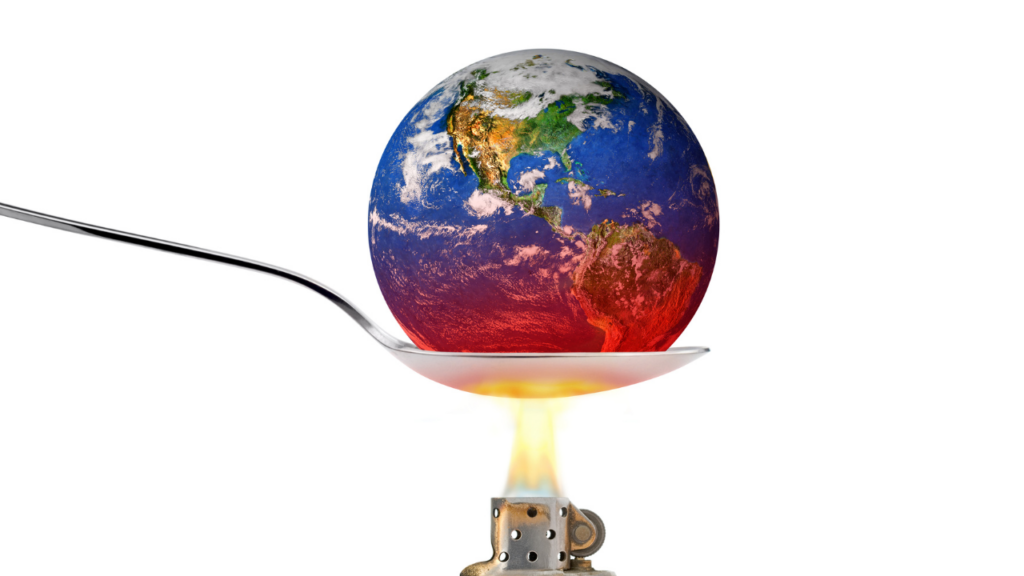
Water is a precious resource for our planet, and without it, life as we know it would not exist. However, with global warming and climate change, we are seeing drastic changes in our water sources. As temperatures rise, glaciers are melting, sea levels are rising, and our oceans are becoming more acidic. All of these changes have a ripple effect on our environment, especially our water sources. In this blog post, we will explore how global warming affects our water sources and what we can do to mitigate these effects. The melting of glaciers: As temperatures rise, glaciers are melting at a rapid rate. In fact, glacier retreat has become one of the most visible indicators of climate change. Glaciers are a vital source of freshwater for millions of people around the world, and the melting of glaciers has significant consequences. For example, the increase in water supply can lead to flooding and landslides, while the eventual decrease in water supply can lead to droughts and water scarcity. Rising sea levels: Another impact of global warming is rising sea levels. As glaciers and ice caps melt, they add more water to the world’s oceans, causing them to rise. This has far-reaching effects on the world’s ecosystems, as well as on the people and animals that depend on them. In fact, scientists predict that up to 250 million people will be affected by rising sea levels in the coming decades. Increased ocean acidity: Global warming is also affecting the acidity of our oceans. As carbon dioxide (CO2) levels in the atmosphere increase, more of it is absorbed by the ocean, causing the pH level of the water to decrease. This process is known as ocean acidification and has significant consequences for marine life. The increased acidity of the oceans can disrupt the delicate balance of various ecosystems, affecting the growth and survival of animals and plants alike. Droughts and water scarcity: Finally, global warming can also lead to more frequent and severe droughts, as well as water scarcity. As temperatures rise, evaporation rates increase, leading to more water loss from lakes and rivers. Additionally, changes in precipitation patterns can lead to areas experiencing extended periods of drought, with significant implications for agriculture and food production. What can we do?: While the effects of global warming on our water sources are significant, there are steps we can take to mitigate their impact. It’s important to reduce our carbon footprint by using clean energy, reducing our use of plastic, and adopting sustainable practices in our daily lives. We can also advocate for policies that promote the conservation and protection of our water sources, as well as support research and development of innovative technologies that help us adapt to the changing climate. Global warming is having a profound impact on our water sources, and it’s vital that we take action to address these issues. The melting of glaciers, rising sea levels, increased ocean acidity, and droughts are all examples of the impact that climate change is having on our water sources. By reducing our carbon footprint and advocating for policies that protect our environment, we can work together to mitigate the impact of global warming on the world’s water sources. Let’s make a difference today and protect our planet for future generations.

The Ripple Effect: How Global Warming is Affecting Our Water Sources Read More »

A Deep Dive into the Rising Issue of Water Contamination in Oceans

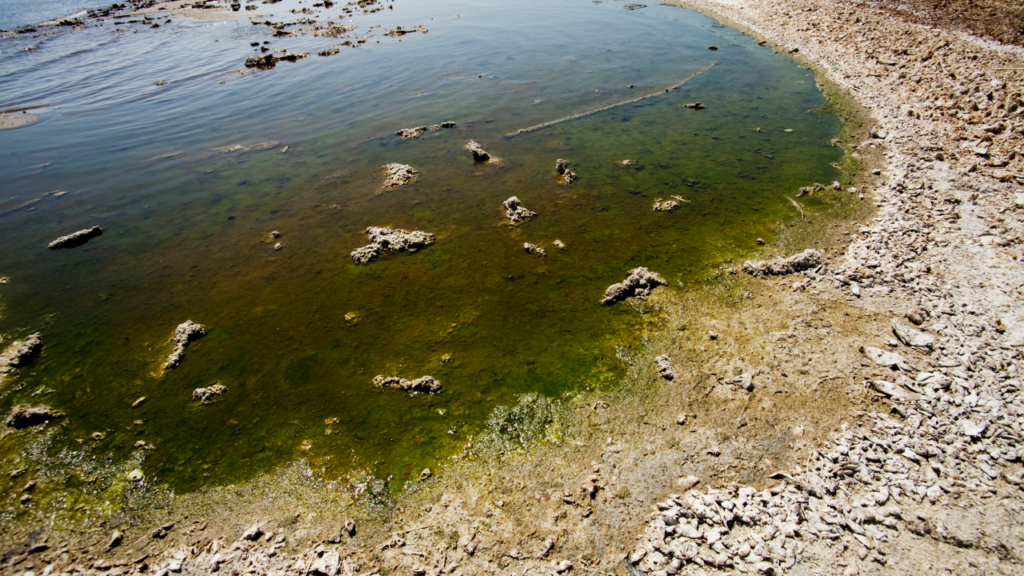
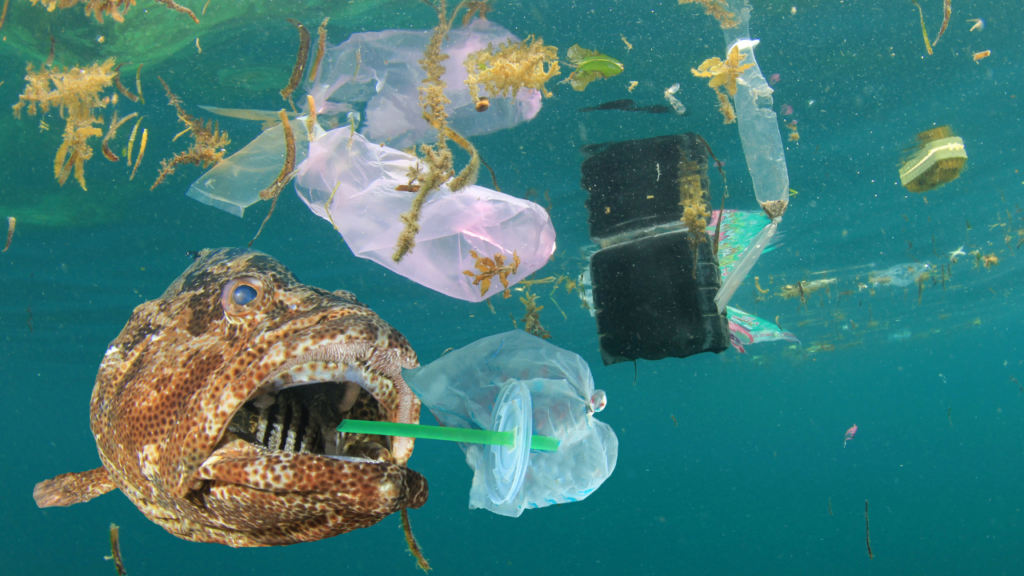
The vast blue ocean covers more than 70% of our planet’s surface and is home to over 700,000 known species of marine creatures. However, we humans have drastically increased the pollution in the ocean, resulting in water contamination. This pollution is not only harming marine life, but also poses a serious threat to human health. In this blog, we’ll dive deep into the reasons behind water contamination in oceans, the effects caused by it, and possible solutions. One of the major reasons leading to water contamination is the discharge of untreated industrial and household wastes into the sea, which contains harmful chemicals, toxins, and heavy metals, eventually mixing with the ocean water. Additionally, oil spills and chemical leaks from offshore drilling and shipping accidents, as well as the excess use of pesticides and fertilizers in agriculture, also pollute our oceans. Furthermore, the increase in global warming and ocean acidification levels have resulted in climate change, therefore producing more harmful algae blooms in the water. Water contamination not only impacts marine species but also has a significant negative impact on human health. Consuming contaminated fish and shellfish can lead to serious health issues like mercury poisoning, paralysis, and even death. Similarly, polluted ocean water can also cause skin rashes, gastrointestinal issues, and infection, among other health issues. Moreover, industrial pollution mixed with ocean water creates the toxic gas sulfide, which can be lethal in high concentrations. Water contamination is a pressing issue that needs attention and sustained action. Although it’s a challenging task to undo the damage, we can still mitigate it with a few measures. The first step is to reduce pollution at the source. This can be achieved by increasing the number of sewage treatment plants, increasing the use of organic farming practices, increasing recycling, and imposing stricter regulations for industries to reduce toxins released into the water. Governments and local councils should openly communicate with communities and raise awareness about this issue to encourage people to act responsibly. Moreover, one can take small steps daily to tackle this problem, such as reducing plastic wastage, choosing environmentally-friendly products, and even supporting organizations working towards ocean conservation. Supporting sustainable seafood practices is another way, as it encourages more responsible fishing methods along with the protection of marine creatures. More than ever, it is essential that we take immediate action toward saving our oceans. Implementing small but crucial measures can make a huge difference in reversing the effects of pollution on ocean water. By creating awareness, we can encourage the public to practice responsible behavior towards the ocean’s life and support policies to reduce industrial waste directly responsible for water contamination. So, let’s join hands to achieve a cleaner ocean and sustain its thriving beauty for future generations.

A Deep Dive into the Rising Issue of Water Contamination in Oceans Read More »

Scroll to Top