
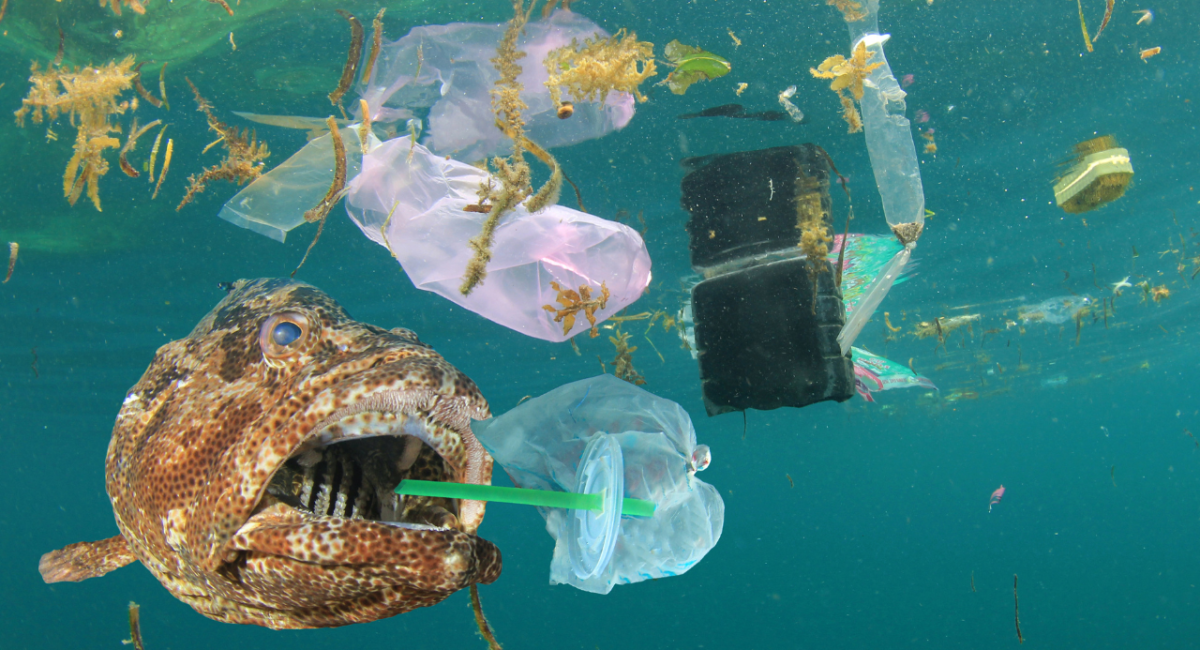
The vast blue ocean covers more than 70% of our planet’s surface and is home to over 700,000 known species of marine creatures. However, we humans have drastically increased the pollution in the ocean, resulting in water contamination. This pollution is not only harming marine life, but also poses a serious threat to human health. In this blog, we’ll dive deep into the reasons behind water contamination in oceans, the effects caused by it, and possible solutions.
One of the major reasons leading to water contamination is the discharge of untreated industrial and household wastes into the sea, which contains harmful chemicals, toxins, and heavy metals, eventually mixing with the ocean water. Additionally, oil spills and chemical leaks from offshore drilling and shipping accidents, as well as the excess use of pesticides and fertilizers in agriculture, also pollute our oceans. Furthermore, the increase in global warming and ocean acidification levels have resulted in climate change, therefore producing more harmful algae blooms in the water.
Water contamination not only impacts marine species but also has a significant negative impact on human health. Consuming contaminated fish and shellfish can lead to serious health issues like mercury poisoning, paralysis, and even death. Similarly, polluted ocean water can also cause skin rashes, gastrointestinal issues, and infection, among other health issues. Moreover, industrial pollution mixed with ocean water creates the toxic gas sulfide, which can be lethal in high concentrations.
Water contamination is a pressing issue that needs attention and sustained action. Although it’s a challenging task to undo the damage, we can still mitigate it with a few measures. The first step is to reduce pollution at the source. This can be achieved by increasing the number of sewage treatment plants, increasing the use of organic farming practices, increasing recycling, and imposing stricter regulations for industries to reduce toxins released into the water. Governments and local councils should openly communicate with communities and raise awareness about this issue to encourage people to act responsibly.
Moreover, one can take small steps daily to tackle this problem, such as reducing plastic wastage, choosing environmentally-friendly products, and even supporting organizations working towards ocean conservation. Supporting sustainable seafood practices is another way, as it encourages more responsible fishing methods along with the protection of marine creatures.
More than ever, it is essential that we take immediate action toward saving our oceans. Implementing small but crucial measures can make a huge difference in reversing the effects of pollution on ocean water. By creating awareness, we can encourage the public to practice responsible behavior towards the ocean’s life and support policies to reduce industrial waste directly responsible for water contamination. So, let’s join hands to achieve a cleaner ocean and sustain its thriving beauty for future generations.