
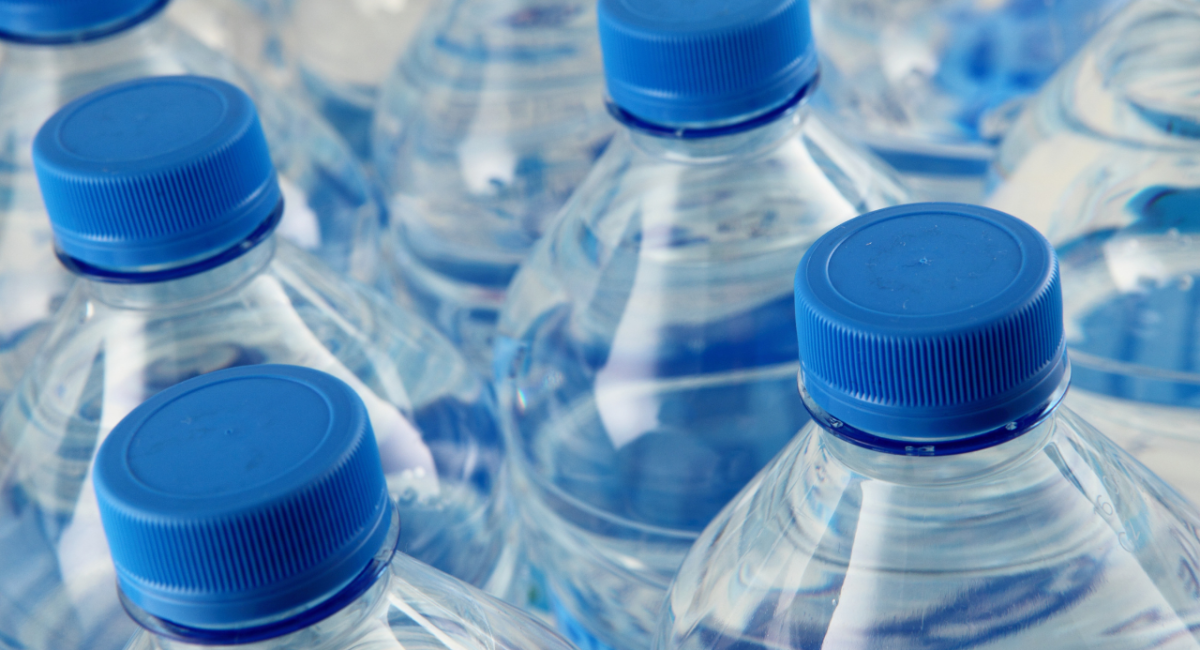
Do you ever wonder how the water bottle you reach for every day is made? Understanding the process of how these plastic containers are created can give us a deeper appreciation for the convenience of bottled water and the effort it takes to keep us hydrated. This article will explore the steps and techniques used to manufacture water bottles, giving you an inside look at how these useful and essential products are produced.
Step 1: Raw Material Preparation
The first step in creating a water bottle is obtaining the raw materials. Different types of plastic are used in bottles, but polyethylene terephthalate (PET) is the most common. PET comes in small pellets, which are melted into a liquid. The liquid is then formed into a tube-like shape, known as a parison, which is the basis for the bottle.
Step 2: Blow Molding
To create the final shape of the bottle, the parison must be blow-molded. This process involves placing the parison in a mold and inflating it with compressed air until it takes the desired shape. The mold is then cooled, and the bottle is removed and cleaned.
Step 3: Labeling and Packaging
Once the bottle is made, it is ready to be labeled and packaged. Labels are applied to the bottle using adhesive or heat shrinking. After this step, the bottles are packaged and sent to retailers or distribution centers, ready for consumers to purchase.
Step 4: Recycling
Since plastic water bottles pose a significant environmental threat, it’s important to note that recycling plays an essential role in the production process. Recycling water bottles reduces the amount of waste that ends up in landfills, and it also conserves energy and natural resources. The recycling process involves melting down the bottles and reforming them into new plastic products, thus reducing the demand for fresh raw materials.
In conclusion, understanding how water bottles are made can help us appreciate the convenience and importance of staying hydrated while raising awareness about plastic waste’s environmental consequences. Creating a plastic water bottle involves several steps, from raw material preparation to molding, labeling and packaging, and recycling. As we strive for a healthier and more sustainable world, it’s crucial to support efforts that promote the responsible use and disposal of plastic products.