
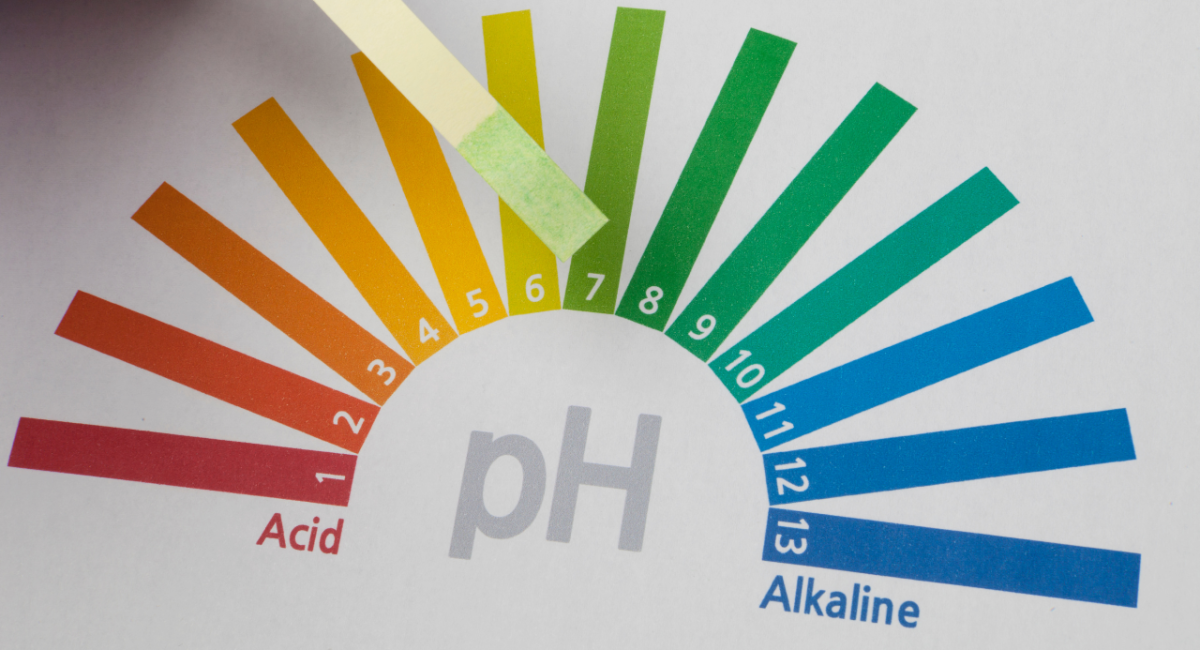
pH is a measure of how acidic or basic water is. The range goes from 0-14, with 7 being neutral. pH’s of less than 7 indicate acidity, whereas a pH of greater than 7 indicates a base.
The scale was developed by Danish chemist Soren Peder Lauritz Sorensen in 1909. He chose to use the negative logarithm of hydrogen ion concentration (H+) as his index because it was more easily measured by chemists at the time. Today, we use an electrical method called ion-selective electrode (ISE) to measure H+.
The ISE works by passing an electric current through an electrolyte solution in contact with two electrodes: one made of silver chloride and the other gold chloride. The flow of current produces a voltage difference between the electrodes that causes ions to move from one electrode to another through the solution. This movement creates an electric current that can be measured by an ammeter.
The US Geological Survey analyzes hundreds of thousands of water samples each year. The level of pH in your drinking water is important because it affects how corrosive it can be on plumbing fixtures and appliances such as dishwashers and washing machines. Drinking water that is too acidic or too alkaline can cause health problems for people who are sensitive to changes in their body’s pH levels.
Don’t wait to have additional protection within your home. Reach out now to get your water tested for free today.