
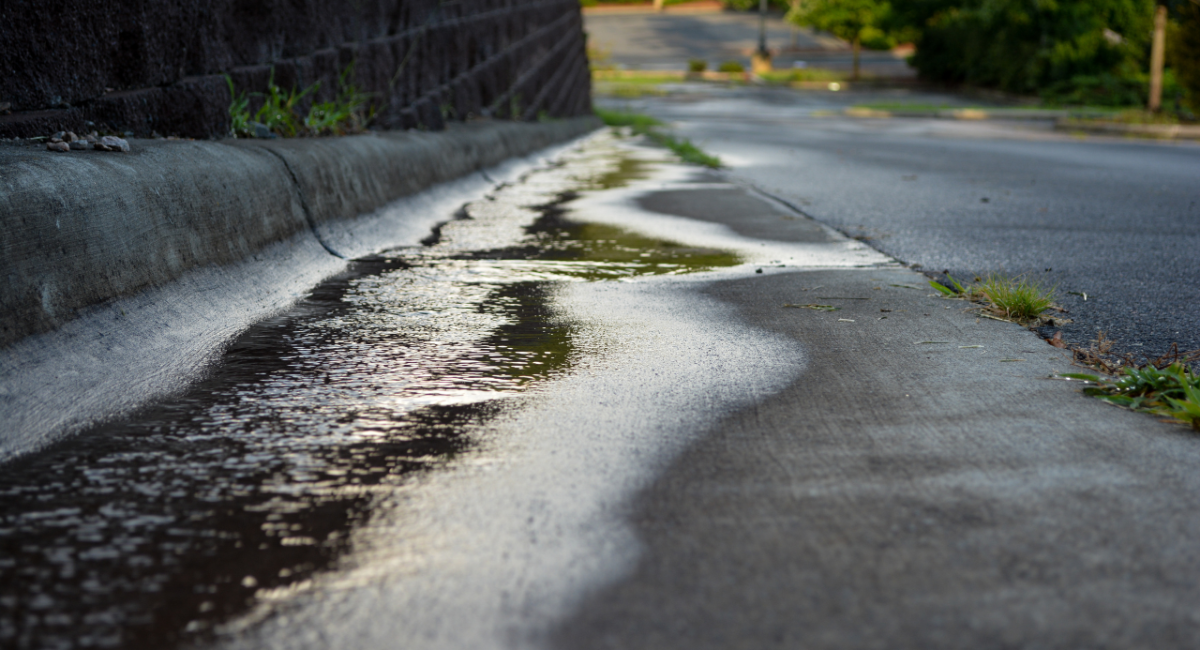
As health and wellness enthusiasts, it’s essential for us to have a deep understanding of how different aspects of our environment impact our overall well-being. One key element that has a significant effect on both our health and the environment is stormwater.
What is stormwater, you might ask? Well, it’s the water that comes from rain and snow and then flows into natural bodies of water or into the sewer system. But why should we care about managing stormwater effectively? Let me tell you.
First and foremost, stormwater can contain various harmful pollutants like chemicals, pesticides, bacteria, and viruses. These pollutants can pose a serious threat to public health and even contaminate our drinking water. Exposure to stormwater pollutants can lead to issues like skin irritation, respiratory problems, and other health complications. By managing stormwater effectively, we can minimize the risk of exposure to these pollutants and safeguard public health.
But wait, there’s more! Stormwater doesn’t just impact human health; it also has a profound effect on the environment. When rain falls on impervious surfaces such as roads, parking lots, and rooftops, it picks up pollutants and sediment along the way. These pollutants then flow into storm drains or nearby water bodies, resulting in pollution. This pollution can harm aquatic life, cause algal blooms, and make fish unsafe for consumption due to the presence of harmful toxins. That’s why it’s crucial to manage stormwater effectively and protect our precious waterways, wildlife, and ecosystems.
Now that we understand the significance of stormwater management, let’s explore some possible solutions. One effective approach is the use of green infrastructure techniques like rain gardens and green roofs. These nature-based solutions allow water to be absorbed by the ground or plants, instead of flowing directly into water bodies and causing pollution. Additionally, implementing best management practices such as street sweeping and stormwater filtration systems can help prevent stormwater pollution from entering our natural water sources.
But it’s not just up to governments and organizations to take action. Each and every one of us has a part to play in reducing stormwater pollution and protecting our health and the environment. It’s the small personal actions that make a significant impact. Simple steps like reducing the use of fertilizers and pesticides, properly disposing of pet waste, and conserving water can go a long way in minimizing stormwater pollution.
In conclusion, stormwater management matters. By understanding its impact on public health and the environment, exploring solutions, and taking personal actions, we can all contribute to creating a cleaner and healthier future. So let’s join hands and work towards protecting our health and our local environment from the detrimental effects of stormwater pollution.