
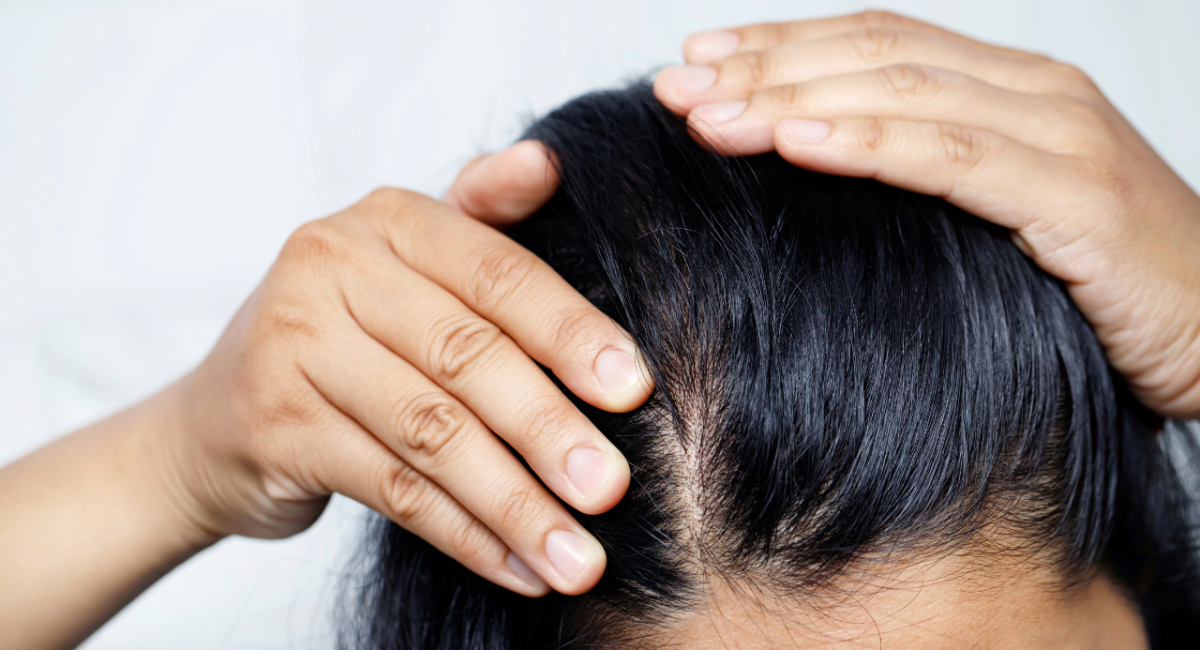
Who wouldn’t want to have luscious, thick hair? A person’s hair is among the most defining physical features, which is why it is essential to take care of it. While several factors impact the health of your hair, did you know that water quality is one of them? Yes, you read that right! The water you use to bathe or wash your hair could be triggering hair loss. Read on to learn all about the relationship between water quality and hair loss.
First, let’s understand how water quality affects hair. Hard water contains several minerals like magnesium, calcium, iron, and copper ions that can buildup on your scalp and clog hair follicles. This process restricts the hair growth cycle and leads to thinning of hair. The chlorine used to disinfect water can strip your scalp of its natural oils, making it dry and itchy. Dry scalp conditions can further trigger hair fall and dandruff.
It’s not just hard water that harms hair; even soft water can cause damage. Soft water has a high pH level, meaning that it is alkaline in nature. When you apply soap or shampoo on your scalp, the alkaline nature of soft water can cause the cuticle layer of your hair strands to swell. This swelling is not significant, but over time, it can lead to hair loss. Additionally, using hard water with harsh shampoos and other hair products combined can lead to damage beyond repair.
The water quality in your area can vary, and the impurities present can have a detrimental impact on your hair health. If you notice excessive hair fall or have an itchy scalp, it may be time to assess the water quality in your region. Some signs that indicate poor water quality are discolored water, soap scum on bathtubs, sinks, or fixtures, and metallic-tasting tap water.
So, what can you do about it? One easy and effective way to treat hard water is to use a water purification system. They are an affordable solution that can remove minerals, including chlorine and other pollutants present in hard water. Also, you can switch to mild shampoos free from chemicals and harsh sulfates. These natural shampoo options are gentle on your hair and scalp, ensuring that you get a thorough cleanse without drying out your hair.
Water quality and hair loss could be two interrelated factors. Poor water quality can clog hair follicles, dry out the scalp, and damage the cuticle layer of hair strands. Regularly assessing your water quality and adopting preventive measures, like using showerhead filters and avoiding harsh chemicals, can go a long way in keeping your hair healthy and voluminous.
Remember, identifying the root cause of hair loss is essential to minimize further damage. A healthy body and mind are the key to luscious, thick hair, and good water quality can help you achieve it. Stay hydrated, exercise regularly, and adopt healthy eating habits to promote overall wellness and hair health.