
As health and wellness enthusiasts, our dedication to leading healthy lives is evident through the efforts we put in. From monitoring our food intake to staying active, we strive to do everything possible to maintain our well-being. But what if we were to inform you about an invisible threat to our health and well-being that often goes unnoticed? It’s crucial that we shed light on the growing concern of algal blooms, which can have a devastating impact on our health. In this blog, we will dive deeper into harmful algal blooms – what they are, how they occur, and the effects they can have on our health.
Understanding Algal Blooms
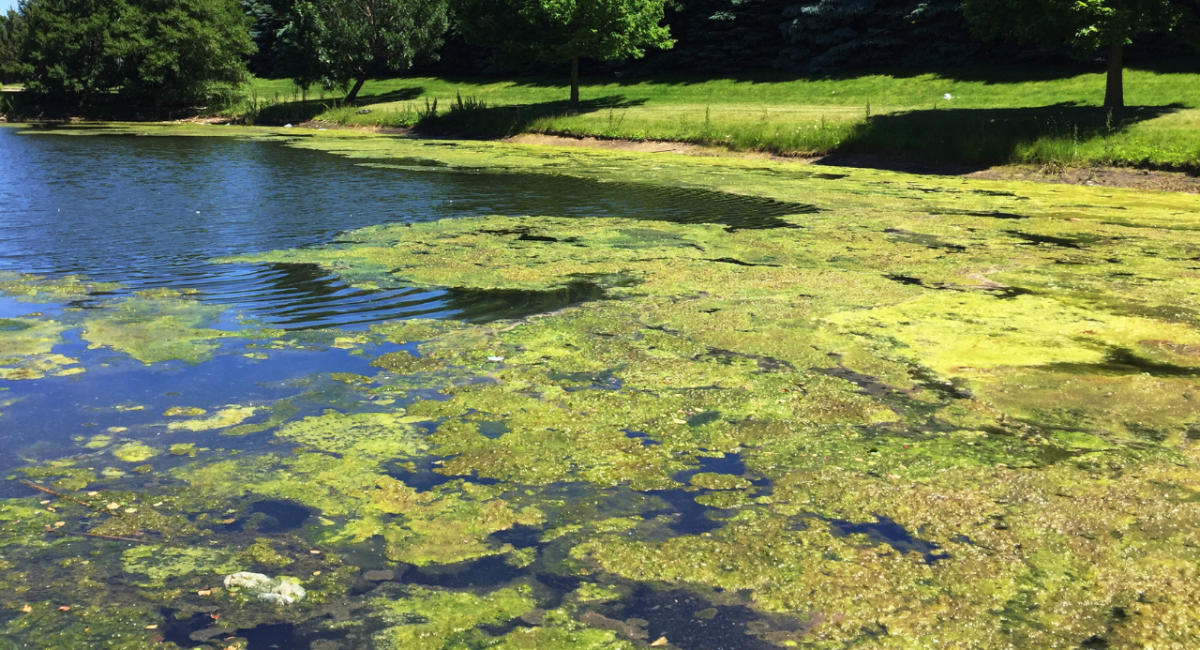
Algal blooms occur when there is a significant increase in the number of algae in bodies of water, resulting in the formation of a green or blue-green scum on the water’s surface. Algae are tiny plant-like organisms that thrive in both fresh and saltwater ecosystems. Under normal circumstances, they pose no harm. However, when the population of algae rapidly multiplies, it leads to the formation of harmful algal blooms (HABs). These blooms release toxins that can be detrimental to humans, animals, and the environment.
The Impact of Harmful Algal Blooms on Health
HABs can impact our health through direct contact and ingestion. Direct contact occurs when we come into contact with the algal blooms while in the water. The toxins produced by these blooms can cause skin irritation, rashes, and, if ingested, symptoms such as stomach upset, headaches, and diarrhea. Inhaling the toxins can also lead to severe respiratory effects, including coughing and difficulty breathing. It is crucial to avoid swimming, boating, or wading in water bodies that show visible signs of algal blooms.
Safeguarding Yourself from Harmful Algal Blooms
The best way to protect ourselves from HABs is to avoid exposure to affected water sources. It is important to be cautious while swimming, particularly during the summer months when algal blooms are most prevalent. If there are algal blooms present in a lake, river, or ocean, it is advised to refrain from swimming or engaging in any recreational activities that involve contact with the water. In the event that you or your pet comes into contact with an algal bloom, make sure to rinse off immediately with fresh water. Additionally, it is essential to be mindful of any signs of algal blooms, such as the presence of green or blue scum on the water’s surface, and promptly notify the respective authorities if you suspect a HAB in your area.
Preventing Harmful Algal Blooms
Although algal blooms are a natural occurrence, human activities such as agriculture and wastewater runoff have contributed to their growth and spread. To tackle this issue, it is imperative that we make efforts to reduce nutrient pollution and promote sustainable practices that limit the occurrence of algal blooms. This includes implementing proper wastewater management systems, reducing the use of fertilizers near water bodies, and practicing responsible agricultural practices.
By raising awareness about harmful algal blooms and taking proactive steps to prevent them, we can safeguard both our health and the environment. Remember, knowledge and action are key in combating this invisible threat. Together, let’s strive for a healthier and algae-free future.