
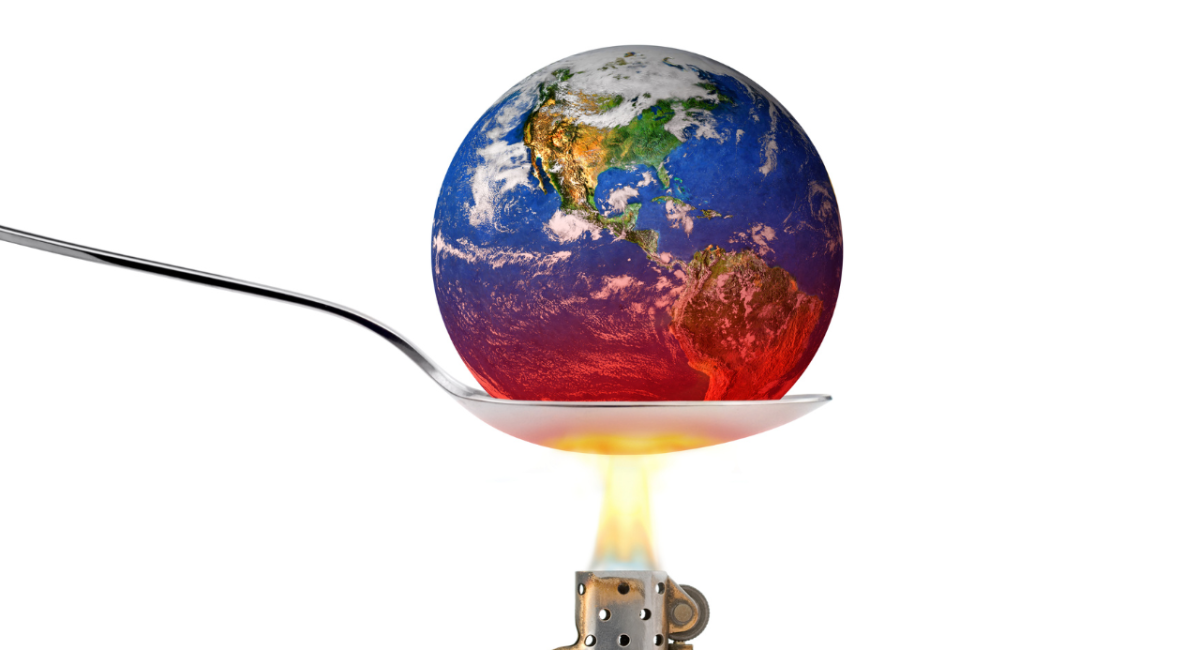
Water is a precious resource for our planet, and without it, life as we know it would not exist. However, with global warming and climate change, we are seeing drastic changes in our water sources. As temperatures rise, glaciers are melting, sea levels are rising, and our oceans are becoming more acidic. All of these changes have a ripple effect on our environment, especially our water sources. In this blog post, we will explore how global warming affects our water sources and what we can do to mitigate these effects.
The melting of glaciers: As temperatures rise, glaciers are melting at a rapid rate. In fact, glacier retreat has become one of the most visible indicators of climate change. Glaciers are a vital source of freshwater for millions of people around the world, and the melting of glaciers has significant consequences. For example, the increase in water supply can lead to flooding and landslides, while the eventual decrease in water supply can lead to droughts and water scarcity.
Rising sea levels: Another impact of global warming is rising sea levels. As glaciers and ice caps melt, they add more water to the world’s oceans, causing them to rise. This has far-reaching effects on the world’s ecosystems, as well as on the people and animals that depend on them. In fact, scientists predict that up to 250 million people will be affected by rising sea levels in the coming decades.
Increased ocean acidity: Global warming is also affecting the acidity of our oceans. As carbon dioxide (CO2) levels in the atmosphere increase, more of it is absorbed by the ocean, causing the pH level of the water to decrease. This process is known as ocean acidification and has significant consequences for marine life. The increased acidity of the oceans can disrupt the delicate balance of various ecosystems, affecting the growth and survival of animals and plants alike.
Droughts and water scarcity: Finally, global warming can also lead to more frequent and severe droughts, as well as water scarcity. As temperatures rise, evaporation rates increase, leading to more water loss from lakes and rivers. Additionally, changes in precipitation patterns can lead to areas experiencing extended periods of drought, with significant implications for agriculture and food production.
What can we do?: While the effects of global warming on our water sources are significant, there are steps we can take to mitigate their impact. It’s important to reduce our carbon footprint by using clean energy, reducing our use of plastic, and adopting sustainable practices in our daily lives. We can also advocate for policies that promote the conservation and protection of our water sources, as well as support research and development of innovative technologies that help us adapt to the changing climate.
Global warming is having a profound impact on our water sources, and it’s vital that we take action to address these issues. The melting of glaciers, rising sea levels, increased ocean acidity, and droughts are all examples of the impact that climate change is having on our water sources. By reducing our carbon footprint and advocating for policies that protect our environment, we can work together to mitigate the impact of global warming on the world’s water sources. Let’s make a difference today and protect our planet for future generations.