
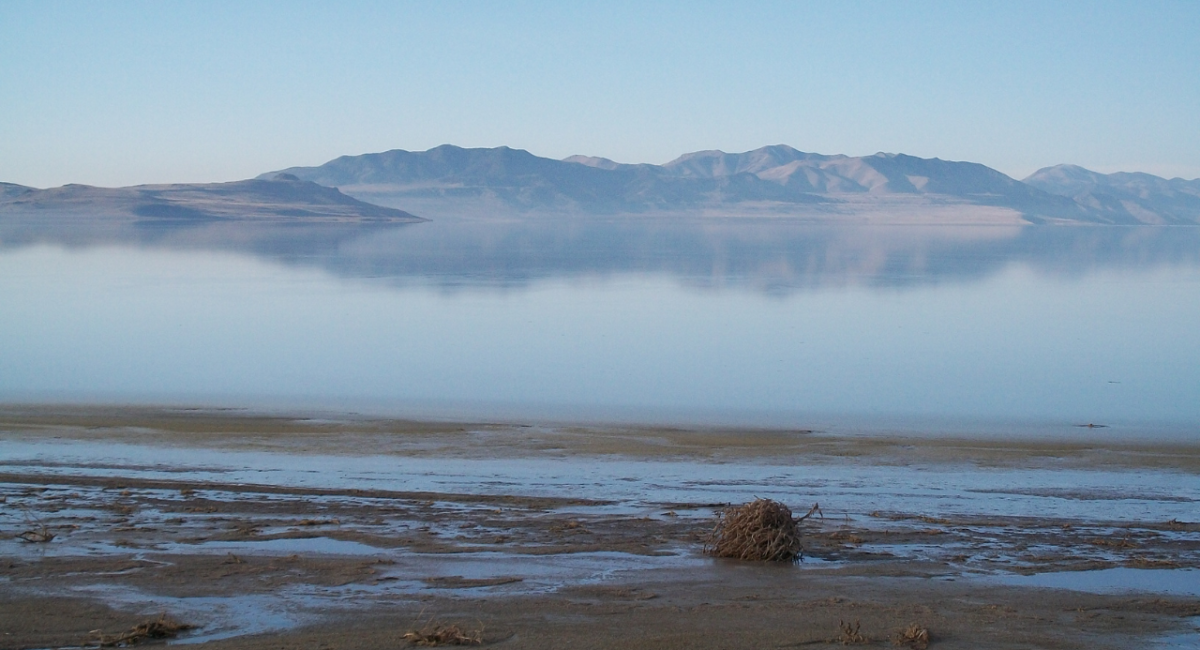
The Great Lakes, one of North America’s vital freshwater resources, face a concerning issue – recent water samples indicate compromised safety. These samples reveal the presence of unsafe levels of contaminants, posing risks to individuals who come into contact with the water. In this blog post, we will explore the causes behind these unsafe levels, understand the associated health dangers, and discuss protective measures.
Let’s start by investigating the causes behind the contamination in the Great Lakes. Chemical agriculture plays a significant role, with the lakes being exposed to substantial quantities of pesticides and fertilizers through agricultural runoff. Consequently, toxic algae blooms emerge, leading to skin rashes, respiratory problems, and even liver failure.
Industrial waste is another major contributor. Several factories near the Great Lakes continue to discharge waste into the water, disregarding environmental regulations. This waste contains heavy metals like lead and mercury, significantly impacting human health, especially the development of children’s brains.
The outdated sewer systems in the region are also a concern. Sewage overflows frequently occur, finding their way into the Great Lakes. These overflows carry bacterial viruses, including gastrointestinal diseases, posing risks to human health.
Now, let’s consider the potential health risks associated with exposure to this contaminated water. Apart from the aforementioned examples, individuals may experience skin irritation, gastrointestinal illness, and even cancer. Children are particularly vulnerable due to their increased likelihood of contact with the water while swimming and greater water consumption.
So, how can we protect ourselves and the Great Lakes from these harmful contaminants? The first step is to acknowledge the causes behind the unsafe levels and the risks they pose to our health. We can then advocate for stricter regulations and their effective enforcement concerning chemical agriculture and industrial waste. Additionally, we can take personal actions in our daily lives to minimize water contamination, such as reducing water waste and avoiding the use of pesticides.
By understanding the issues at hand, raising awareness, and making changes at both an individual and collective level, we can ensure the safety of the Great Lakes and safeguard our own well-being.