
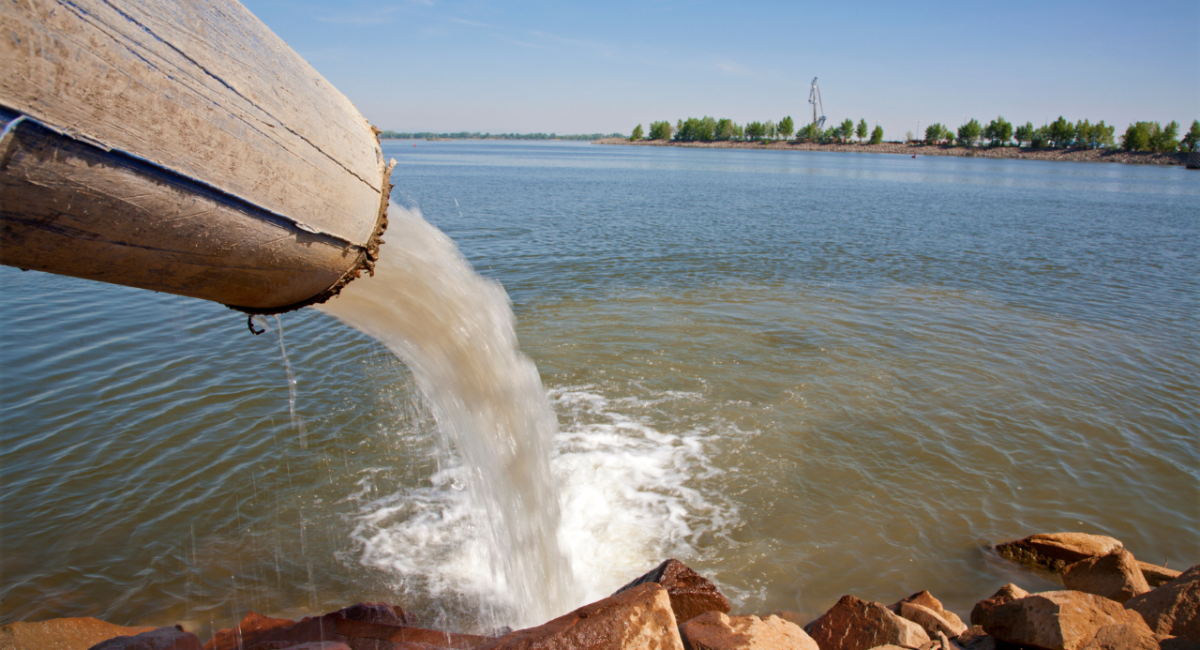
Access to clean drinking water is a human right, yet throughout the world, water contamination continues to be a major problem. From industrial waste runoff to agricultural pollutants and more, water contamination poses a serious risk to public health and the environment. So, where is water contamination the worst? Let’s take a look at some of the areas around the world that are struggling with severe levels of water pollution.
China
Pollution in China has been an ongoing issue for decades. In fact, there are over 700 cities in China that have dangerous levels of air pollution—and it’s not just air pollution that’s an issue in this part of the world. Much of China’s drinking water is severely contaminated due to industrial waste runoff from factories, as well as agricultural pollutants such as fertilizers and pesticides. This means that many people living in rural parts of China are unable to access safe drinking water without boiling it first or utilizing special filtration systems.
India
In India, roughly 60% of all surface waters are polluted—this includes rivers, lakes, and streams. Industrial waste runoff from factories is a major contributor here as well; however, untreated sewage is also a major factor when it comes to India’s unsafe drinking water supply. As population growth continues to soar in India—it’s estimated that by 2050 India will become the most populous country on Earth—water contamination only stands to get worse unless efforts are made to address these issues head-on.
United States
The United States struggles with its own share of water contamination issues, too; one recent study found that nearly 20 percent of all waterways in America were unsafe due to high levels of bacteria or other contaminants such as lead or nitrates. This means that many people living near these waterways could be exposed to health risks if they come into contact with contaminated waters or consume seafood caught within them. In addition, fertilizer runoff from agricultural areas can cause algal blooms, which can further contaminate local waters and make them unsafe for recreation or consumption purposes.
Water contamination remains a serious global issue with far-reaching consequences on public health and ecosystems alike; however, by understanding where these issues are at their worst—such as in China, India, and parts of the United States—we can begin working towards solutions that ensure everyone has access to safe drinking water no matter where they live. Education about proper wastewater treatment methods and investments into better infrastructure may help reduce instances of severe water contamination around the globe, so everyone can enjoy healthier lives for years to come.