
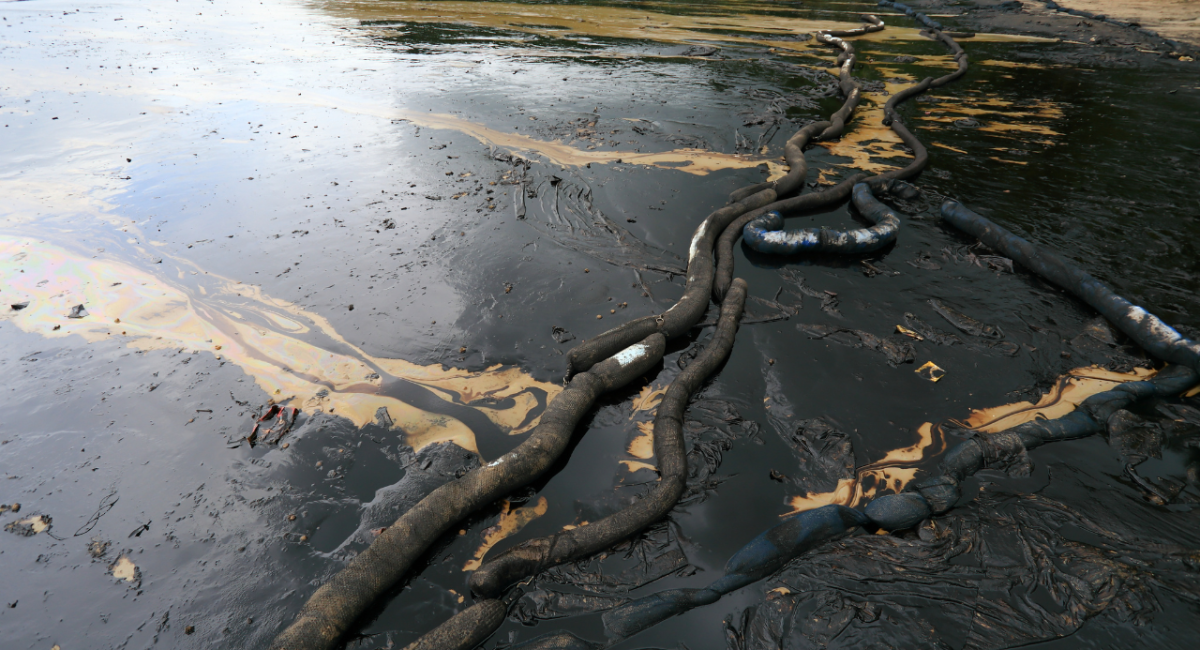
Water is an essential resource vital for sustaining life. Its safety is crucial to human survival. However, the global concern of water contamination, including diesel fuel spills, has raised alarms due to its impact on human health, wildlife, and aquatic life. This blog aims to cover the basics of the Tennessee diesel fuel spill, its effects on water, and potential health implications.
Diesel fuel spill contamination introduces toxic chemicals like benzene, arsenic, and lead into waterways. These pollutants seep through runoff, soil, or direct discharge, posing severe health risks such as cancer, kidney damage, and neurological disorders when consumed.
In the case of the Tennessee River diesel fuel spill, nearly 6000 gallons of diesel fuel contaminated the surrounding environment. Even a small amount of diesel fuel in water can cause significant damage to ecosystems. This particular spill affected around four miles of the river, endangering local wildlife and posing severe health risks to nearby communities.
Dealing with diesel fuel spill contamination can take years or even decades to break down, causing long-lasting effects on water quality. Contaminated water can reach homes and communities that rely on it for drinking and irrigation, leading to long-term health issues.
Moreover, diesel fuel spills disrupt aquatic life by destroying ecosystems and affecting the life cycle of fish and other species relying on these water sources. Reduced oxygen levels caused by diesel fuel also harm aquatic plants and animals dependent on oxygen for survival.
In conclusion, water contamination resulting from diesel fuel spills is a significant environmental and health concern. It is necessary to take measures to reduce pollution in our waterways caused by diesel fuel and other chemicals. Raising awareness about the hazards of water contamination, specifically from the Tennessee diesel spill, is pivotal in making informed choices about our health and water consumption. If you have concerns regarding water contamination, reach out to environmental protection agencies or your local community for support. Prioritizing safe water resources is crucial for the well-being of both humans and the environment.